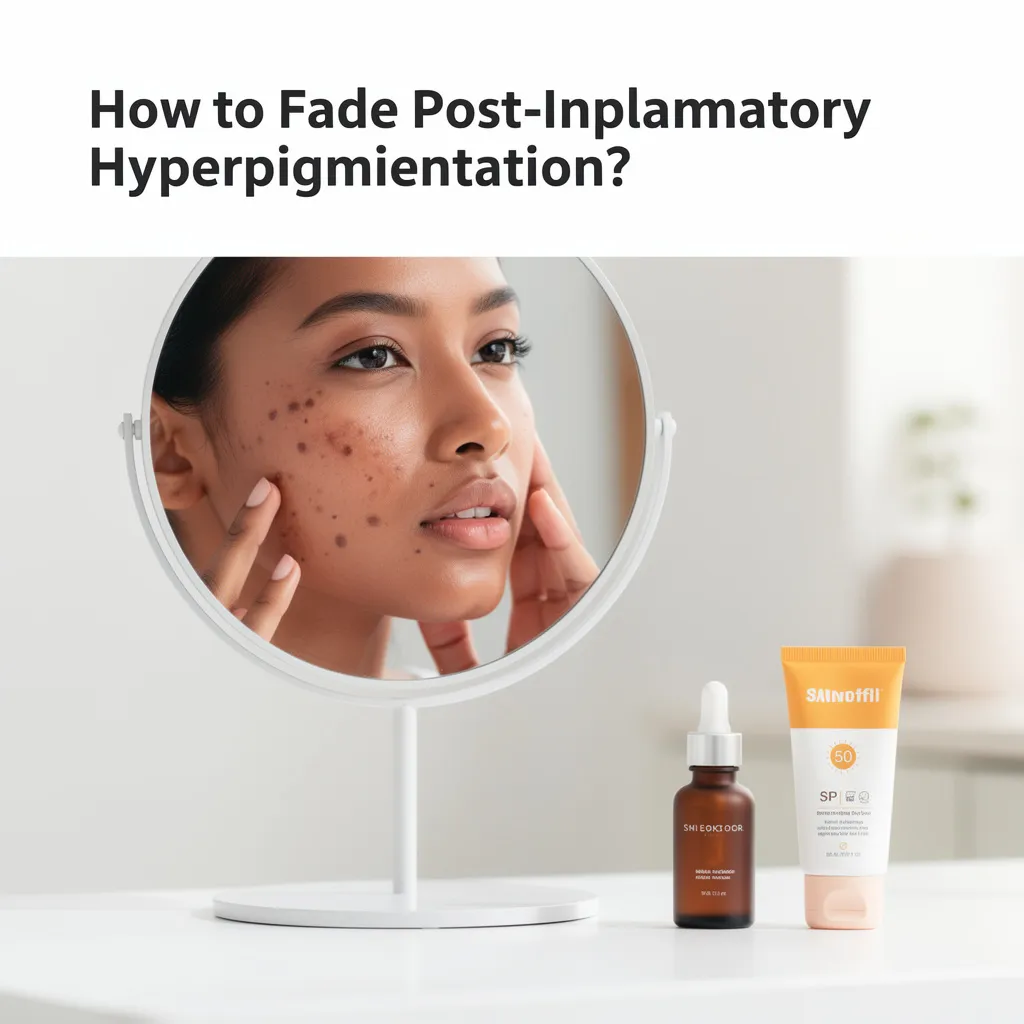

You finally got rid of a pimple. The swelling went down, the redness calmed, and the skin healed. But then you are left with something just as frustrating as the breakout itself. A flat, dark mark sitting exactly where the pimple was, sometimes for weeks or months afterwards.
This is post-inflammatory hyperpigmentation, and it is one of the most common skin concerns across all skin types, but especially for people with medium to deep skin tones. The mark itself is not a scar. There is no texture to it. The skin surface is smooth. But the discolouration can be stubbornly persistent, and for a lot of people it takes longer to fade than the original breakout took to heal.
The good news is that post-inflammatory hyperpigmentation responds very well to the right skincare approach. It just takes the right ingredients, the right routine, and a realistic sense of how long the process takes.
What Post-Inflammatory Hyperpigmentation Actually Is
When your skin experiences inflammation, from a pimple, an insect bite, a burn, or repeated friction, your skin responds by producing extra melanin in that area as part of the healing process. Once the inflammation resolves, the extra melanin remains as a flat dark patch that can range from light brown to very dark brown or even greyish, depending on your skin tone and how deep the melanin deposition sits.
The deeper in the skin the melanin sits, the longer it takes to fade.
Why Some People Are More Prone to It
Post-inflammatory hyperpigmentation tends to be more pronounced and more persistent in people with deeper skin tones. Darker skin naturally contains more melanin, and the melanin-producing cells are more active and more reactive to any kind of inflammation or injury.
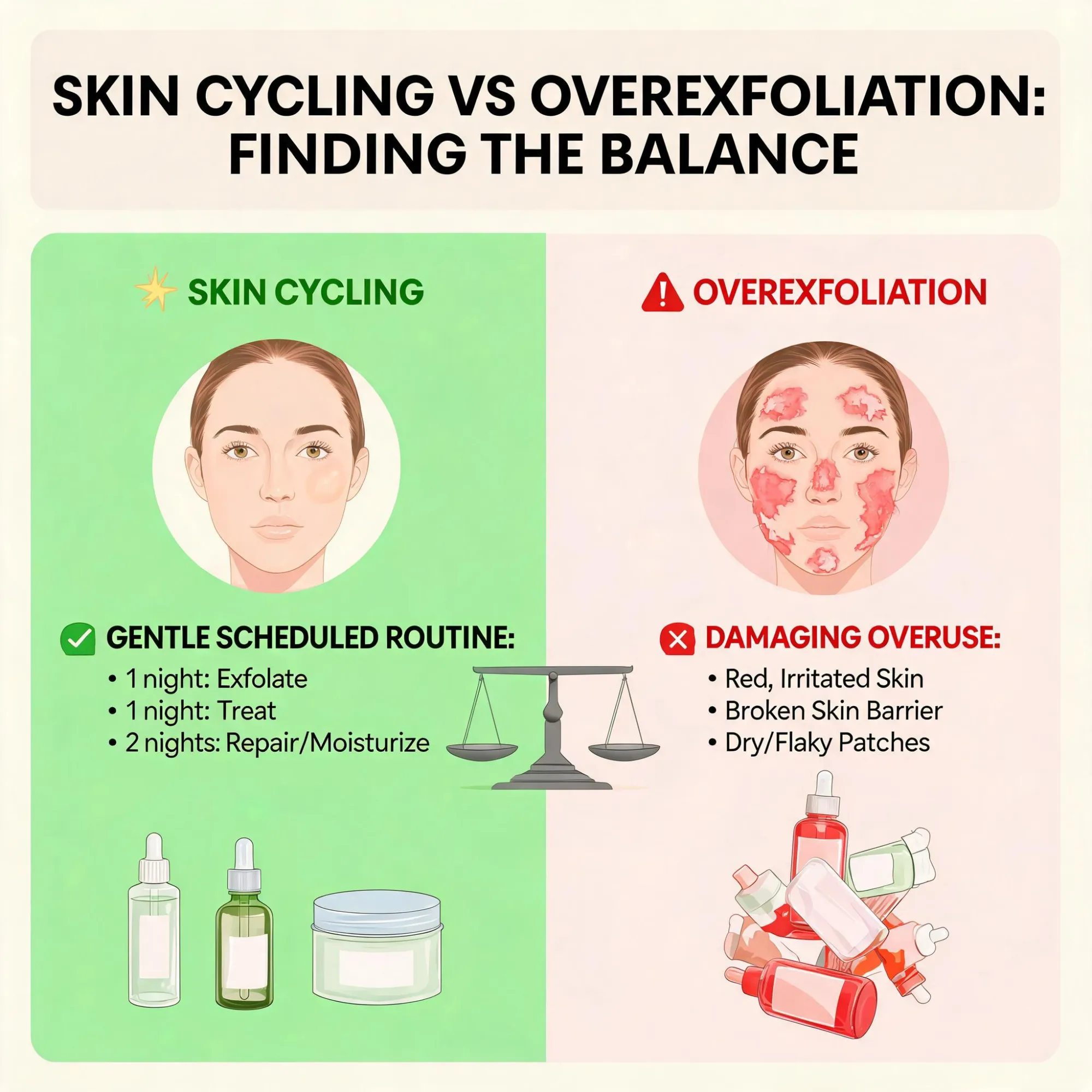
This is also why certain skincare mistakes can make things significantly worse. Over-exfoliating, or applying products that irritate, can trigger new post-inflammatory hyperpigmentation even while you are trying to fade existing marks.
The Ingredients That Actually Work
Niacinamide is one of the most reliable. It works by preventing the transfer of melanin from the cells that produce it to the surface of the skin. It is also anti-inflammatory, which means it helps prevent new post-inflammatory hyperpigmentation from forming in the first place.
Vitamin C brightens the skin and also interferes with the melanin production process at a different point than niacinamide. Using vitamin C in the morning and niacinamide in the evening gives you two complementary brightening mechanisms working at different times without any ingredient conflict.
Alpha arbutin is a gentler alternative that inhibits the enzyme responsible for melanin production and is particularly well suited to sensitive skin that cannot tolerate stronger actives.
Azelaic acid targets melanin-producing cells specifically and is particularly useful when the hyperpigmentation is still relatively fresh and the skin is still prone to new breakouts.
Why Your Cleanser Matters More Than You Think
A cleanser that is too harsh or stripping disrupts your skin barrier and can trigger low-level inflammation that keeps the hyperpigmentation process active even while your treatment products are trying to fade it.
A Gotu Kola Cleanser for dark spots is a genuinely smart choice here. Gotu kola is a calming, anti-inflammatory ingredient that helps soothe the skin with every cleanse rather than stressing it. Starting each step of your routine with a cleanser that actively supports your barrier means your treatment products have a much better chance of doing their job without being undermined by cleansing-related irritation.
The Role of pH in Your Skincare Routine
The theory behind skincare pH is straightforward. Your skin's natural surface is mildly acidic, sitting at a pH of around 4.5 to 5.5. This acidity keeps your barrier intact, supports your skin microbiome, and allows the enzymes responsible for natural skin shedding to function properly.
When your cleanser is too alkaline, it temporarily disrupts this acidic environment, making the skin more vulnerable to irritation and reducing how effectively actives like vitamin C and AHAs absorb. Using a pH-balanced cleanser makes a real measurable difference in how quickly and effectively your hyperpigmentation responds to treatment.
Sunscreen Is the Most Important Step
UV exposure is one of the primary triggers for melanin production. Every time your skin is exposed to the sun without protection, your existing dark marks get darker and new ones form more easily.
A broad-spectrum SPF 30 or 50 applied every morning, including on cloudy days, is the single most effective thing you can do. Without sunscreen, the fading process stalls or reverses completely.
Building a Simple Routine
Morning: Gentle, pH-balanced cleanser. Vitamin C serum. Moisturiser. SPF.
Evening: Gentle cleanser. Niacinamide serum or azelaic acid. Moisturiser. Chemical exfoliant two to three times a week.
Keep the rest of your routine simple. The more active ingredients you layer on top of one another, the higher the risk of irritation, and irritation is what created the hyperpigmentation in the first place.
The Bottom Line
Post-inflammatory hyperpigmentation is frustrating, but it is one of the more treatable skin concerns when approached correctly. The right brightening ingredients, a cleanser that supports your barrier, consistent sunscreen use, and enough patience to let the process work are what get results.
Your skin is already trying to heal. The right routine just helps it do that faster and more completely.




























Sign in to leave a comment.