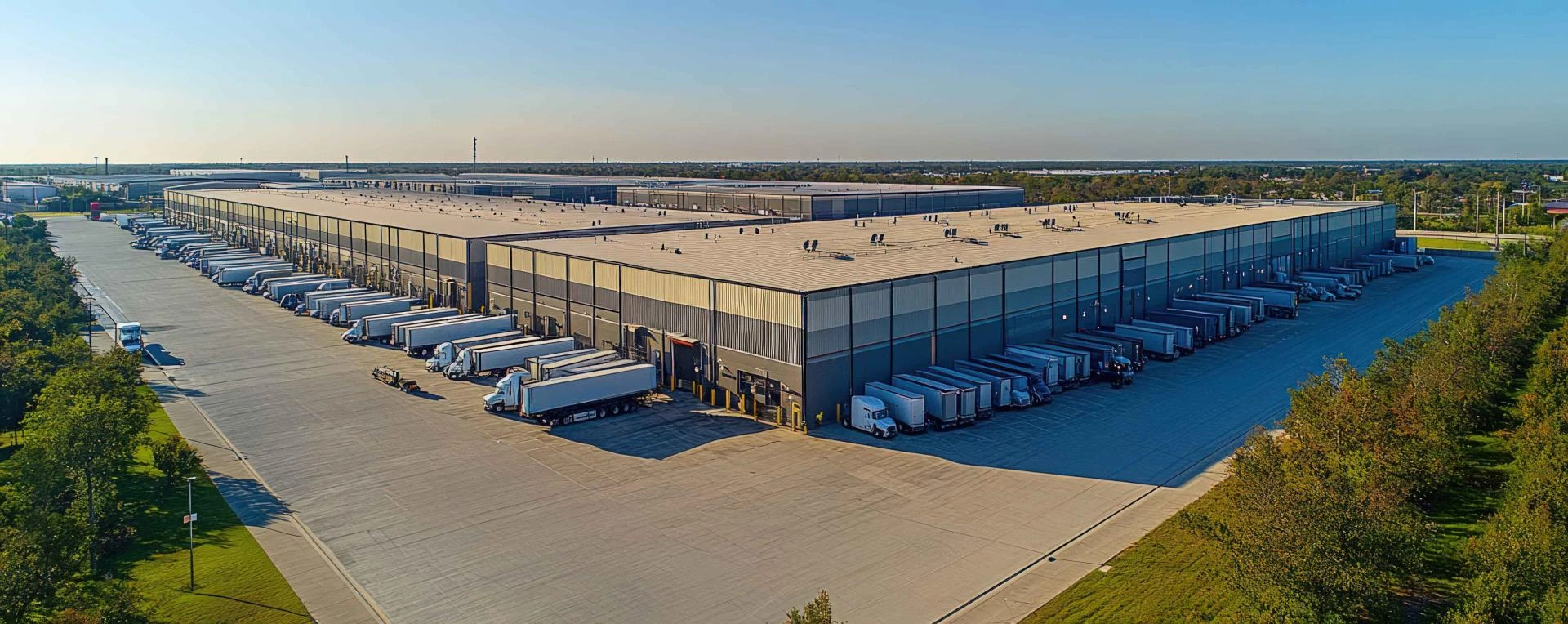

For the millions of professional truck drivers who keep our economy moving, the end of a long driving day should bring a sense of relief. Instead, it often marks the beginning of a stressful search: finding a safe and legal place to park. The chronic shortage of truck parking is more than an inconvenience; it's a critical safety issue that affects everyone on the road. Finding a secure spot to rest is essential for compliance with hours-of-service regulations and for the well-being of drivers.
This guide will explore the challenges drivers face daily in their search for parking. We will also provide practical solutions and tips to help you find a secure "parking lot near me" without the usual headache. You'll learn about the different types of parking available, how technology can be your best ally, and what to look for to ensure your chosen spot is both safe and convenient.
The Growing Crisis of Truck Parking
The search for truck parking is a daily struggle for drivers across the country. According to the American Trucking Associations (ATA), there is only one parking space for every 11 trucks on the road. This scarcity forces many drivers into difficult and often dangerous situations.
Key Challenges Drivers Face:
- Hours-of-Service (HOS) Compliance: Federal regulations limit the number of hours a driver can be on duty. As the driving clock winds down, the pressure to find a parking spot intensifies. Many drivers are forced to stop earlier than planned if they find an available spot, reducing their efficiency and potential earnings. Others risk violating HOS rules by continuing to search for parking after their time is up.
- Safety Concerns: Unsafe parking is a major concern. Drivers who park on highway shoulders, vacant lots, or unlit industrial areas become targets for theft and violence. Cargo theft is a multi-billion dollar problem, and a poorly chosen parking spot can make a truck an easy target. Personal safety is also at risk, with drivers facing potential harm when parked in isolated locations.
- Parking Restrictions and Fines: Many urban and suburban areas have strict regulations against overnight truck parking. Drivers who can't find a designated spot may receive expensive fines or have their vehicles towed. These penalties add financial strain and create significant logistical problems.
- Lack of Amenities: Even when parking is available, it often lacks basic amenities. Access to restrooms, showers, and food is not a luxury but a necessity for drivers who live on the road. The absence of these facilities contributes to driver fatigue and burnout, impacting their overall health and job satisfaction.
Types of Truck Parking Solutions
Understanding the different parking options available is the first step toward developing a better parking strategy. Each type comes with its own set of advantages and disadvantages.
Public Rest Areas
Operated by state transportation departments, public rest areas are a common choice for overnight parking. They are conveniently located along major highways and are free to use.
- Pros: Free, accessible, and often have basic restroom facilities.
- Cons: They fill up quickly, especially in the afternoon and evening. Many have time limits, and security can be minimal. They rarely offer amenities like showers or hot food.
Truck Stops and Travel Centers
These are the most popular and well-equipped options for truck drivers. Major chains like Pilot Flying J, Love's, and TA Petro offer a comprehensive range of services designed for professional drivers.
- Pros: Offer a wide array of amenities, including fuel, restaurants, showers, laundry facilities, and truck repair services. They typically have better security, including well-lit lots and surveillance cameras. Many now offer reserved parking options.
- Cons: Paid parking is becoming the norm, and spots can be expensive, especially in high-demand areas. Even with their large capacity, they can be completely full by the evening.
Private and Paid Parking Lots
A growing number of private businesses are entering the truck parking market. These are often secure, fenced-in lots that offer parking on a daily, weekly, or monthly basis. They are a great solution for drivers looking for a reliable "parking lot near me" in a specific area.
- Pros: Often have excellent security features, such as gated access, 24/7 monitoring, and security guards. Reservations are usually possible, guaranteeing a spot. They are a good option for leaving a truck and trailer for extended periods.
- Cons: Can be more expensive than truck stops. Amenities may be limited compared to full-service travel centers, sometimes offering only parking. Their locations might be less convenient, situated away from major highways.
Unofficial Parking Locations
Out of desperation, many drivers turn to unofficial parking spots. These include highway on-ramps, abandoned lots, or the back of shopping centers.
- Pros: They are free and might be the only option available.
- Cons: These are the most dangerous and risky options. They are often illegal, leading to fines and towing. They offer no security, making drivers and their cargo vulnerable. There are no amenities, and they contribute to the negative public perception of the trucking industry.
How to Strategically Find the Best Parking Lot Near Me
Finding a spot doesn't have to be left to chance. A proactive and strategic approach can save you time, reduce stress, and improve your safety.
1. Plan Your Trip Around Parking
Don't let parking be an afterthought. Integrate it into your daily trip planning.
- Start Your Day Early: The earlier you start driving, the earlier you can stop. Most parking spots are taken between 4 PM and 10 PM. Stopping in the early afternoon significantly increases your chances of finding a spot at your preferred location.
- Identify Potential Stops in Advance: Before you even start your engine, use maps and apps to identify several potential parking locations along your route. Have a primary, secondary, and even tertiary option. Note their locations relative to your HOS limits.
- The 50-Mile Rule: A common strategy is to start looking for parking when you are about an hour or 50 miles away from your intended stopping point. This gives you enough time to check a few locations if your first choice is full.
2. Leverage Technology to Your Advantage
Modern technology has made finding truck parking easier than ever. Several apps and online resources provide real-time information.
- Truck Parking Apps: Apps like Semiyard, ParkMyTruck, and DAT One are indispensable tools. They provide user-generated data on parking availability, show locations of truck stops and rest areas, and list amenities. Many also feature reservation systems for paid parking.
- Reservation Systems: Major truck stops and private lots increasingly offer the ability to reserve and pay for a spot in advance. While it costs money, the peace of mind knowing you have a guaranteed spot waiting for you can be priceless, especially after a long day.
- Company Terminals: If you work for a larger carrier, check if they have terminals or designated yards along your route. These are often secure and free for company drivers.
3. What to Look for in a Safe Parking Lot
Not all parking spots are created equal. When you arrive at a potential location, take a few minutes to assess its safety and suitability.
- Lighting: A well-lit parking lot is a major deterrent to crime. Avoid parking in dark, isolated corners. Choose a spot under a light if possible.
- Security Features: Look for visible security cameras, fences, and gated entry. The presence of a security guard is a significant plus.
- Visibility: Park in an area where your truck is visible to others, such as near the main building or high-traffic areas of the lot. Thieves prefer to work where they can't be seen.
- Condition of the Lot: A well-maintained, paved lot is better than a muddy or unpaved one. It's easier to walk on and reduces the risk of getting stuck.
- Know Your Neighbors: Take a quick look at the trucks parked around you. Do they look professional and well-kept? Trust your instincts. If a situation feels unsafe, it's better to move on and find another spot.
The Future of Truck Parking
The truck parking shortage is a complex problem that requires a multi-faceted solution involving government and private industry. The federal government has recognized the issue, with initiatives like the Jason’s Law survey providing data on the crisis. The Bipartisan Infrastructure Law also includes provisions for funding projects that expand truck parking capacity.
In the private sector, innovation is driving change. Technology companies are creating more sophisticated platforms for finding and reserving spots. Entrepreneurs are opening new, secure parking facilities in underserved areas. These developments offer hope that the daily search for parking will become less of a burden for drivers in the coming years.
Your Parking Strategy is Your Safety Strategy
For a professional truck driver, finding a good parking spot is as crucial as any other aspect of the job. It directly impacts your safety, your ability to comply with regulations, and your quality of life on the road.
By planning ahead, using technology, and carefully evaluating your options, you can take control of your parking situation. Stop letting the end of your day be the most stressful part. Transform your search for a "parking lot near me" from a game of chance into a predictable and safe routine. The road is challenging enough; your rest shouldn't be.









Sign in to leave a comment.