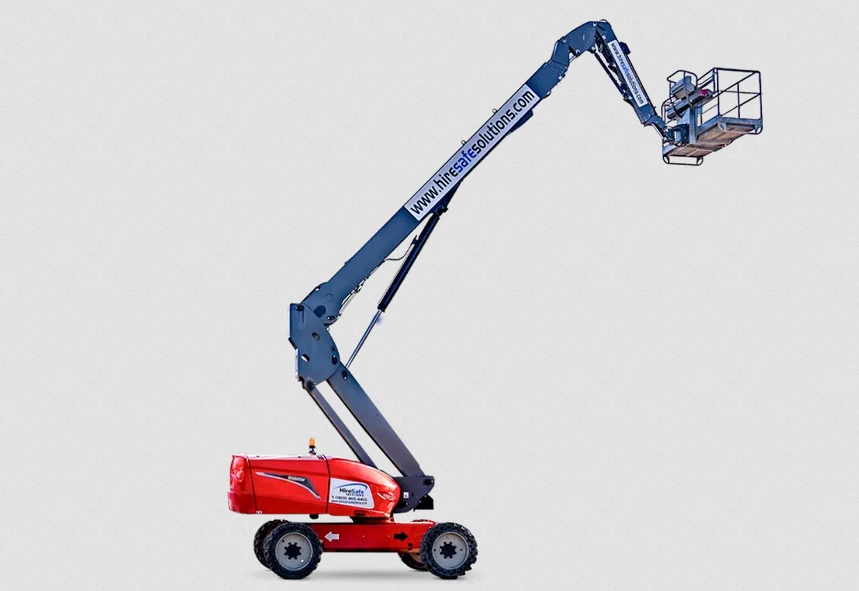

In the construction and maintenance industries, access to elevated areas is often essential for completing tasks efficiently and safely. Boom lifts have become a go-to solution for contractors and businesses needing reliable access to heights. However, hiring boom lifts can come with various costs, and ensuring that you get the best value for your investment is crucial. This article will outline strategies to maximize value when hiring boom lifts, including tips on selection, negotiation, and usage.
Understanding Boom Lifts
Before diving into the specifics of hiring, it is essential to understand what boom lifts are and their various types. Boom lifts, also known as aerial work platforms, come in different designs tailored for specific applications. The main types include:
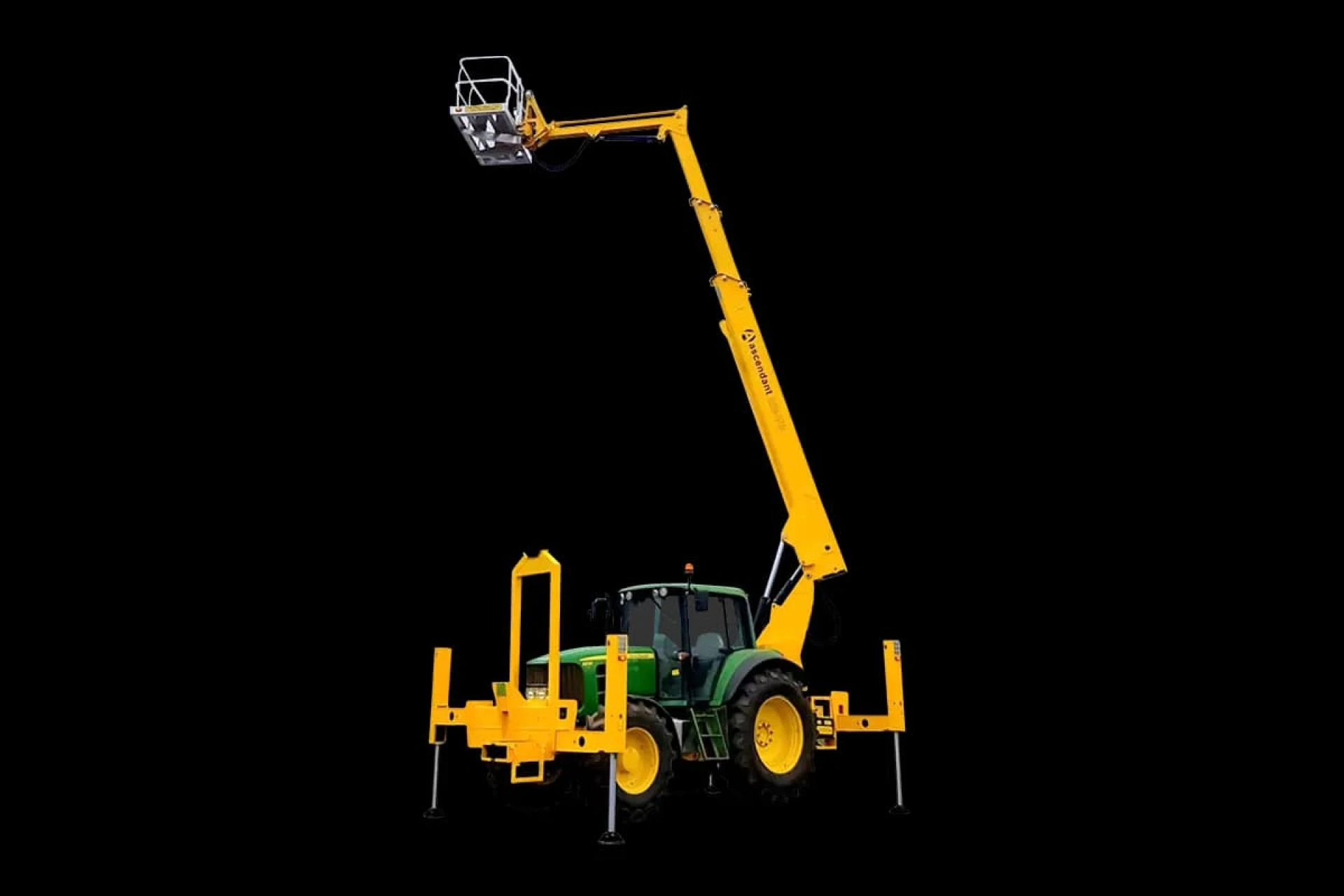
- Articulating Boom Lifts: These lifts have a jointed arm, allowing them to navigate around obstacles and reach over barriers, making them ideal for tight spaces.
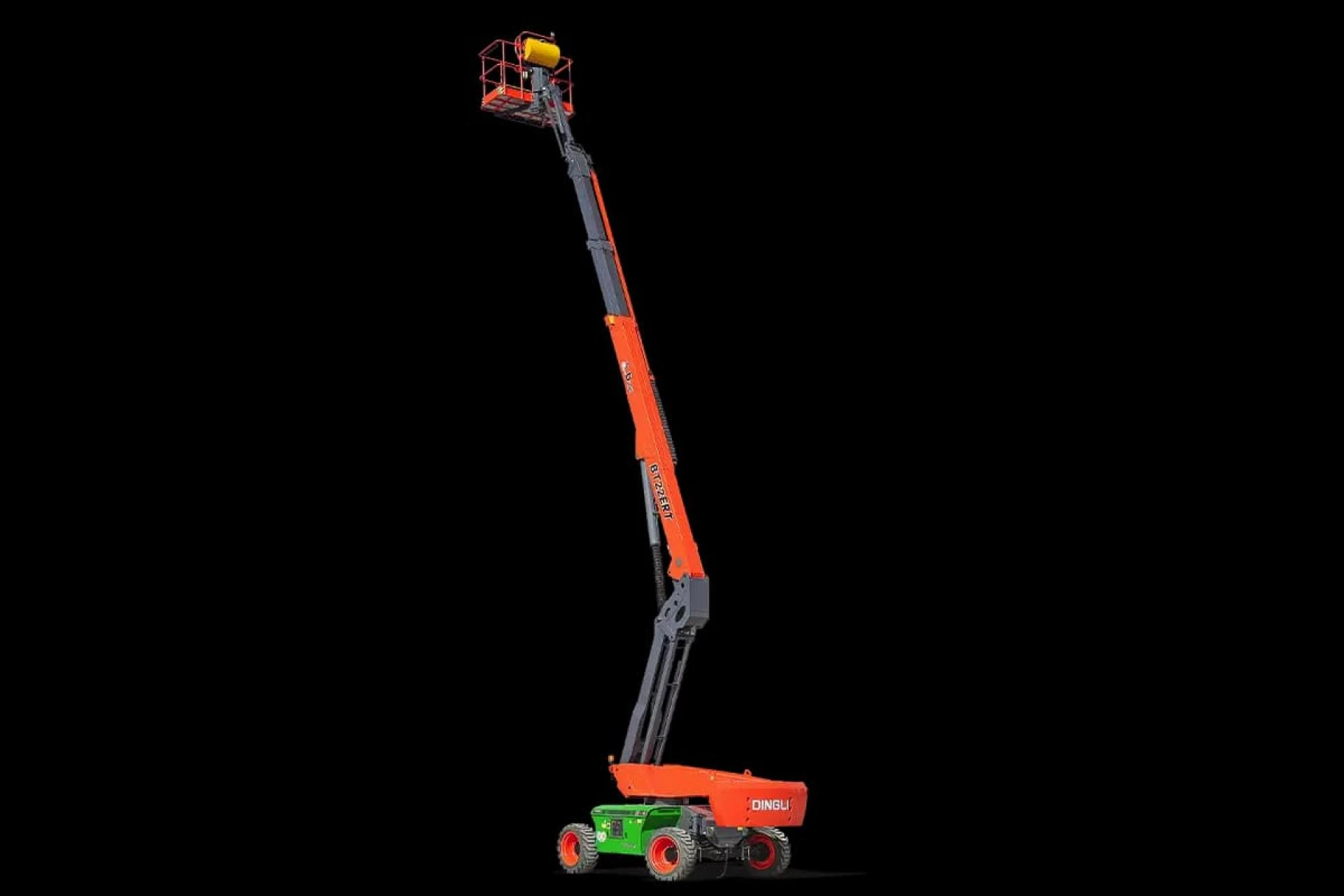
- Telescopic Boom Lifts: Featuring a straight arm that extends vertically, these lifts provide maximum reach and are often used in tasks requiring direct access to high areas.
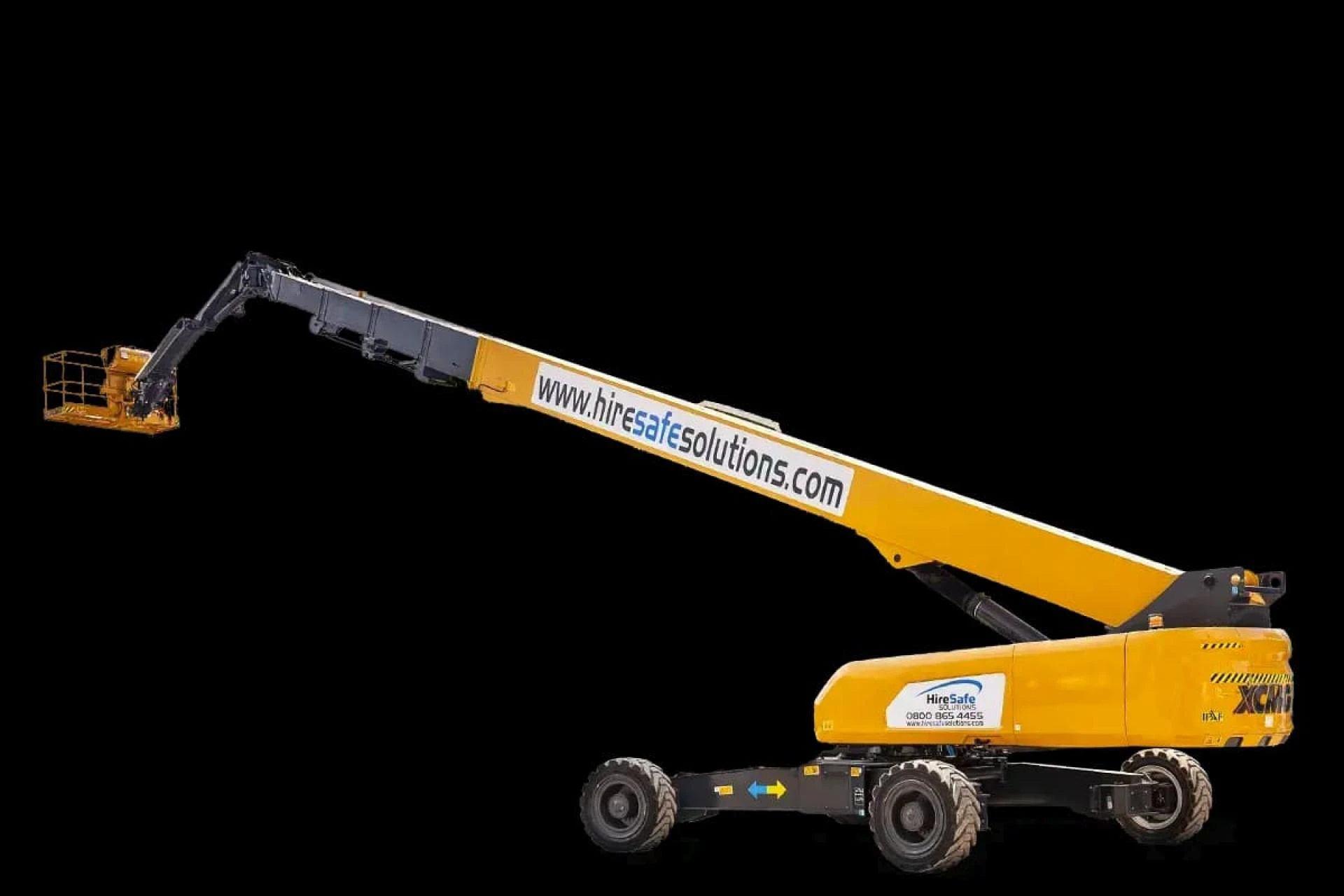
- Super Boom Lifts: A more robust variant of telescopic lifts, super booms offer greater height and load capacity, making them suitable for heavy-duty jobs.
Understanding these differences is crucial in determining which boom lift is best suited for a particular task.
Assessing Your Needs
Before initiating the hiring process, it's essential to assess your specific needs. This step will help you understand what type of boom lift is most appropriate for your project, ensuring that you hire the right equipment for the job.
1. Determine the Required Height and Reach
Start by evaluating the maximum height you need to access for your project. Different boom lifts offer varying maximum working heights, so knowing your requirements will help narrow down your options. Additionally, consider the reach you need horizontally; this is especially important when working near obstacles or structures.
2. Evaluate Load Capacity
Determine the weight of the tools and materials you will be lifting. Each boom lift has a specified load capacity, and exceeding this limit can create significant safety risks. Understanding the weight requirements will help you select a boom lift that can safely accommodate your needs.
3. Consider the Working Environment
Evaluate the conditions of the job site. Is the terrain uneven or soft, and are there obstacles that could block access? Some boom lifts are better suited for rough terrain than others, so it's essential to consider the specific conditions you will be working in.
Researching Rental Companies
Once you have a clear understanding of your needs, the next step is to research potential rental companies that offer boom lifts for hire. Here are some factors to consider when evaluating rental providers:
1. Reputation and Reviews
Look for rental companies with a strong reputation in the industry. Read customer reviews and testimonials to gauge the experiences of other contractors. A reliable rental company will have positive feedback regarding its equipment quality and customer service.
2. Equipment Maintenance
Inquire about the maintenance practices of the rental company. Well-maintained equipment is less likely to experience breakdowns, which can lead to project delays and additional costs. Ask about the age of the boom lifts and how often they are serviced.
3. Availability of Equipment
Ensure that the rental company has the boom lift models you need available for your project timeline. Booking equipment in advance can help secure the necessary machinery, especially during peak seasons when demand is high.
Getting the Best Value in Pricing
When it comes to hiring boom lifts, negotiating the best price is crucial. Here are some strategies to ensure you receive the best value for your rental:
1. Compare Rental Rates
Contact multiple rental companies to compare rates for similar boom lift models. This comparison will give you a better understanding of the market price and help you identify any companies offering competitive rates. However, remember that the cheapest option may not always provide the best value; consider the overall service and equipment quality.
2. Inquire About Discounts
Many rental companies offer discounts for long-term hires or off-season rentals. Don’t hesitate to ask about any available promotions or packages. If your project requires multiple pieces of equipment, inquire about bundle deals that could lead to additional savings.
3. Understand the Rental Agreement
Carefully review the rental agreement before signing. Pay attention to terms and conditions, including rental duration, fees, and responsibilities for maintenance and damage. Being aware of the fine print can help you avoid unexpected charges and ensure you understand your obligations.
Preparing for Equipment Delivery
Once you've secured a boom lift rental, preparation is key to maximizing its value. Here are some steps to take before the equipment arrives:
1. Confirm Delivery and Setup
Coordinate with the rental company regarding the delivery date and time. Ensure that the site is ready for the boom lift’s arrival, including having sufficient space for setup and operation. Confirm who will be responsible for setup; some rental companies may offer this service as part of the hire.
2. Inspect the Equipment
When the boom lift arrives, conduct a thorough inspection to ensure it is in good condition. Check for any visible signs of damage, and ensure that safety features are operational. If you notice any issues, report them to the rental company immediately to avoid liability for pre-existing damage.
3. Train Operators
Ensure that all operators are adequately trained to use the boom lift safely and efficiently. Many rental companies provide training resources or can offer on-site training for your team. Proper training not only enhances safety but also helps maximize productivity on the job site.
Maximizing Efficiency During Use
Once the boom lift is operational, there are several strategies to ensure that you get the best value from your hire:
1. Plan the Work Schedule
Create a detailed work schedule that outlines how the boom lift will be used throughout the project. Planning ahead will help ensure that the lift is utilized effectively, minimizing downtime and maximizing productivity.
2. Communicate Clearly
Maintain clear communication among team members regarding the use of the boom lift. Ensure that everyone understands safety protocols and operational procedures. This communication will help prevent accidents and ensure that the lift is used efficiently.
3. Monitor Usage
Keep track of the hours the boom lift is in use. Understanding how often and for how long the equipment is being operated can help inform future hiring decisions. If you find that the lift is being underutilized, you may want to consider adjusting your rental duration for greater cost-effectiveness.
Returning the Equipment
At the end of the rental period, it is essential to ensure a smooth return process to avoid any additional charges:
1. Clean the Equipment
Return the boom lift in a clean condition to avoid any cleaning fees. Removing debris and dirt from the lift will make the return process smoother and reflect well on your company.
2. Conduct a Final Inspection
Before returning the equipment, perform a final inspection to ensure it is in the same condition as when it was received. Document any wear and tear or damage that occurred during the rental period. Reporting these findings to the rental company can help prevent disputes regarding damage liability.
3. Confirm Return Procedures
Communicate with the rental company about the return process, including logistics and any paperwork required. Being proactive in this step will help ensure that the return goes smoothly and that you are not charged for any unexpected fees.
Conclusion
Hiring boom lifts for hire is a smart choice for contractors and businesses needing reliable access solutions. By understanding your needs, researching rental companies, negotiating effectively, and maximizing the efficiency of the equipment, you can ensure that you get the best value from your hire. With the right approach, boom lifts can significantly enhance productivity and safety on the job site, making them an invaluable asset for any project.
For those looking to optimize their equipment selection and ensure smooth operations, HireSafe Solutions provides expert guidance and resources tailored to your needs. Don’t miss the opportunity to elevate your projects efficiently; take action today to explore the benefits of boom lifts for your operations!


























Sign in to leave a comment.