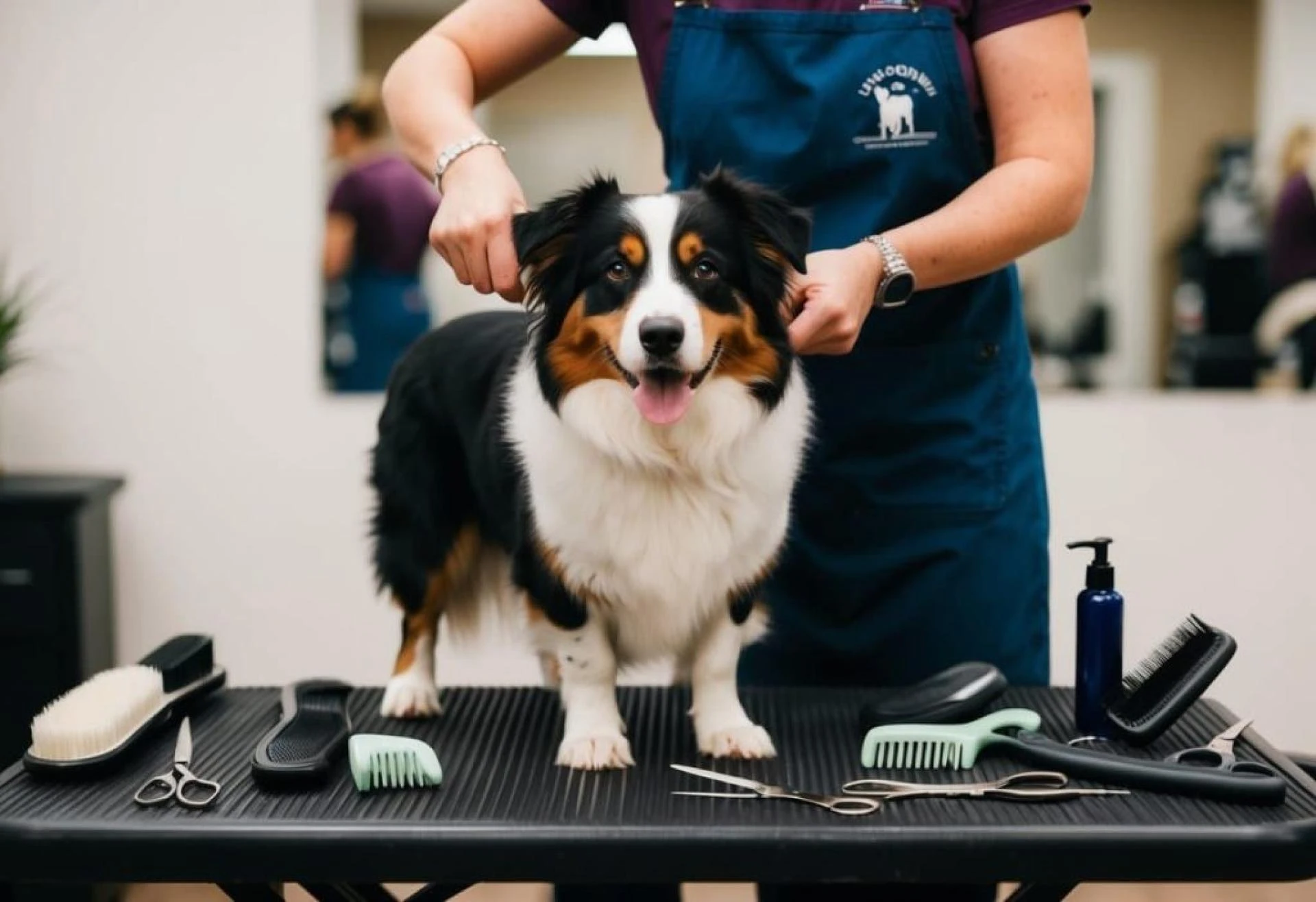

Australian Shepherds are beautiful, active dogs with thick, flowing coats. But that coat comes with real work. Most new Australian Shepherd owners find out fast that regular grooming is not optional. Mats form behind the ears. Undercoat builds up under the feathering. And during shedding season, the hair seems to multiply overnight.
This guide walks you through exactly how to groom an Australian Shepherd at home. You will learn what tools to use, how to brush the right way, what to trim and what to leave alone, and how to handle heavy shedding without harming the coat. Whether you just got your first Australian Shepherd or have owned one for years, this guide gives you a full routine you can follow confidently.
What Makes Australian Shepherd Grooming Different?
An Australian Shepherd has a double coat. That means two distinct layers working together. The undercoat sits close to the skin. It is soft, dense, and acts like insulation. It keeps the dog warm in winter and cool in summer by trapping air near the skin. The outer layer, called guard hairs, sits on top. These hairs are longer, slightly coarser, and protect the skin from the sun, dirt, and moisture.
Grooming an Australian Shepherd is mostly about brushing, deshedding, light trimming, and hygiene care. It is not about giving the dog a full haircut. Many owners ask about shaving their Australian Shepherd, especially in summer. The short answer: do not shave the coat. Shaving removes both layers of the double coat. This disrupts the natural insulation system, exposes the skin to sun damage, and can cause the coat to grow back unevenly. Most Australian Shepherds need tidying, not shaving.
Why Regular Grooming Matters for an Australian Shepherd
When you skip grooming sessions, problems build fast. Loose undercoats get trapped in the feathers on the legs, belly, and tail. That leads to mats. Mats pull on the skin, which causes discomfort and can hide hot spots or skin irritation underneath.
Regular grooming keeps your Australian Shepherd comfortable and your house cleaner. It also gives you a chance to check the skin, ears, nails, and coat condition each time. You catch small problems before they turn into vet visits.
Here is what a consistent grooming routine does for your dog:
- Reduces shedding in the house by removing loose coat before it falls
- Prevents mats in the feathering on the legs, belly, and behind the ears
- Supports healthy skin by keeping air moving through the coat
- Lowers the risk of hot spots from trapped moisture
- Makes bath time easier and faster
- Keeps paws clean and nails at a safe length
How to Groom an Australian Shepherd Step by Step
Step 1: Set Up Your Tools and Space
Good grooming starts before you touch the coat. Choose a non-slip surface so your dog feels stable. A rubber-backed mat on a table works well for smaller Australian Shepherds. For larger dogs, the floor with a non-slip mat is fine. Good lighting helps you spot tangles, skin changes, or debris in the coat.
Keep treats nearby. Short, calm sessions with positive rewards build trust over time. If your dog is new to grooming, keep the first few sessions brief and low-pressure.
Here are the tools you need for a full home grooming session:
- Slicker brush (firm but flexible bristles)
- Metal comb (wide and narrow teeth)
- Undercoat rake (use with care, not daily)
- Nail trimmer or nail grinder
- Dog-safe ear cleaner and cotton balls
- Dog shampoo (moisturizing or deshedding formula)
If you can only buy two tools right now, buy a slicker brush and a metal comb. These two tools alone let you brush, detangle, and confirm the coat is mat-free. Everything else adds convenience, but these are the core
Step 2: Brush the Coat the Right Way (Line Brushing)
Line brushing is the most effective way to brush a double-coated dog. It sounds technical, but it is simple. You part the coat into a horizontal line with your fingers or the brush, then brush the lower section first before moving the part upward. This way, you work through the full depth of the coat from skin to tip, not just the surface.
Start at the hindquarters and work forward. Use the slicker brush in short strokes that move in the direction of hair growth. After brushing each section, run the metal comb through the same area. If the comb catches on a tangle, you know the brush did not reach deep enough. Work the tangle out gently with your fingers before continuing.
Pay extra attention to these high-maintenance areas: behind the ears, under the front legs (armpits), the feathering on the back of the legs, the belly line, and the base of the tail. These spots tangle faster than the rest of the body because fur rubs together in those areas constantly.
A note on the undercoat rake: this tool helps pull out loose undercoat and works well during heavy shedding. But do not use it daily. Overusing the undercoat rake can scrape the skin and damage the guard hairs over time. Save it for shedding season or for tackling dense undercoat buildup.
Step 3: Deshed During Coat-Blowing Season
Australian Shepherds shed year-round, but twice a year they shed heavily. This is called coat blowing. The dog pushes out the old undercoat to make room for a new one. It usually happens in spring and fall. During coat blow, you will notice large clumps of soft, fluffy undercoat coming out during brushing. Tangles form faster. The coat looks a bit puffier than usual.
Outside of peak shedding, brush your Australian Shepherd 2 to 3 times per week. During coat blow, increase that to once daily until the heaviest shedding slows down.
Here is a simple shedding week routine:
- Day 1: Full line brush session, follow with metal comb check
- Day 2: Quick slicker brush, focus on high-mat areas
- Day 3: Full line brush, use undercoat rake on dense areas
- Day 4: Quick brush and comb check
- Day 5: Full session plus optional bath to help loosen and remove shed coat
- Days 6 and 7: Light maintenance brushing
After the bath during shedding season, you will often pull out a surprising amount of loose coat during the drying and brushing stage. This is normal and a good sign that the deshedding process is working.
Step 4: Bathe and Rinse Properly (Without Drying Out Skin)
Most Australian Shepherds need a bath every 4 to 8 weeks. If your dog rolls in something or gets very muddy, bathe sooner. But avoid bathing too frequently. Overbathing strips the natural oils from the coat and skin, which leads to dryness and itchiness.
Before the bath, do a full brush session. Bathing a coat with existing tangles makes them worse. Wet fur mats tighter than dry fur.
Use a moisturizing dog shampoo or a deshedding formula during shedding season. Lather from neck to tail, working the shampoo down through the coat to reach the skin. Rinse thoroughly. Leftover shampoo residue is a common cause of itching and skin irritation after baths. Rinse once, then rinse again to be sure.
Avoid getting water directly into the ear canals. Pour water gently and use your hand to shield your ears. After the bath, gently pat the ear area dry with a towel.
Step 5: Dry Thoroughly to Prevent Hot Spots
This step is one that many owners skip, and it causes real problems. A double coat traps moisture close to the skin. If the undercoat stays damp for too long after a bath, it creates a warm, wet environment where bacteria grow. This leads to hot spots, which are painful, inflamed patches of skin that need veterinary treatment.
After the bath, towel dry your Australian Shepherd firmly. Squeeze moisture out of the feathering on the legs and tail. Do not rub vigorously as this creates tangles.
If you have a pet dryer or a standard handheld blow dryer, use it on a cool or low heat setting. Keep the dryer moving and never hold it too close to the skin. High heat can burn the skin or damage the coat. Work in sections and brush as you dry to help separate the coat and speed up the process.
Your dog is dry enough when you run your fingers down to the skin and feel no dampness. The outer guard hairs may feel dry while the undercoat is still wet underneath. Take your time.
Step 6: Tidy Trims Only: What to Trim vs What to Leave Natural
Australian Shepherds need tidying, not styling. Most of the coat should stay natural. Here is a clear breakdown of what you can safely trim and what to leave alone.
| Area | What to Do | Why |
| Paw pads | Trim hair between pads flush with pad surface | Prevents mud buildup and slipping |
| Feet outline | Tidy the hair around the foot into a neat circle | Clean appearance, prevents debris collection |
| Sanitary area | Trim hair around the rear end short | Hygiene and cleanliness |
| Ear canal opening | Trim excess hair near the opening only | Improves airflow, reduces moisture |
| Feathering on legs | Light trim to neaten the ends | Reduces mat formation at the tips |
| Body coat | Do not shave or clip short | Removing double coat disrupts insulation |
| Tail | Do not trim significantly | Natural tail feathering protects the tail |
| Top of head / ears | Leave natural unless matted | Part of the breed's natural look |
If you are unsure about trimming anything beyond the paws and sanitary area, book a session with a professional groomer. When you call, ask specifically for a tidy trim on an intact double coat, not a full groom or a cut. Make it clear you do not want the body coat shortened. A good groomer will know exactly what that means.
Step 7: Nails, Ears, and Quick Health Check
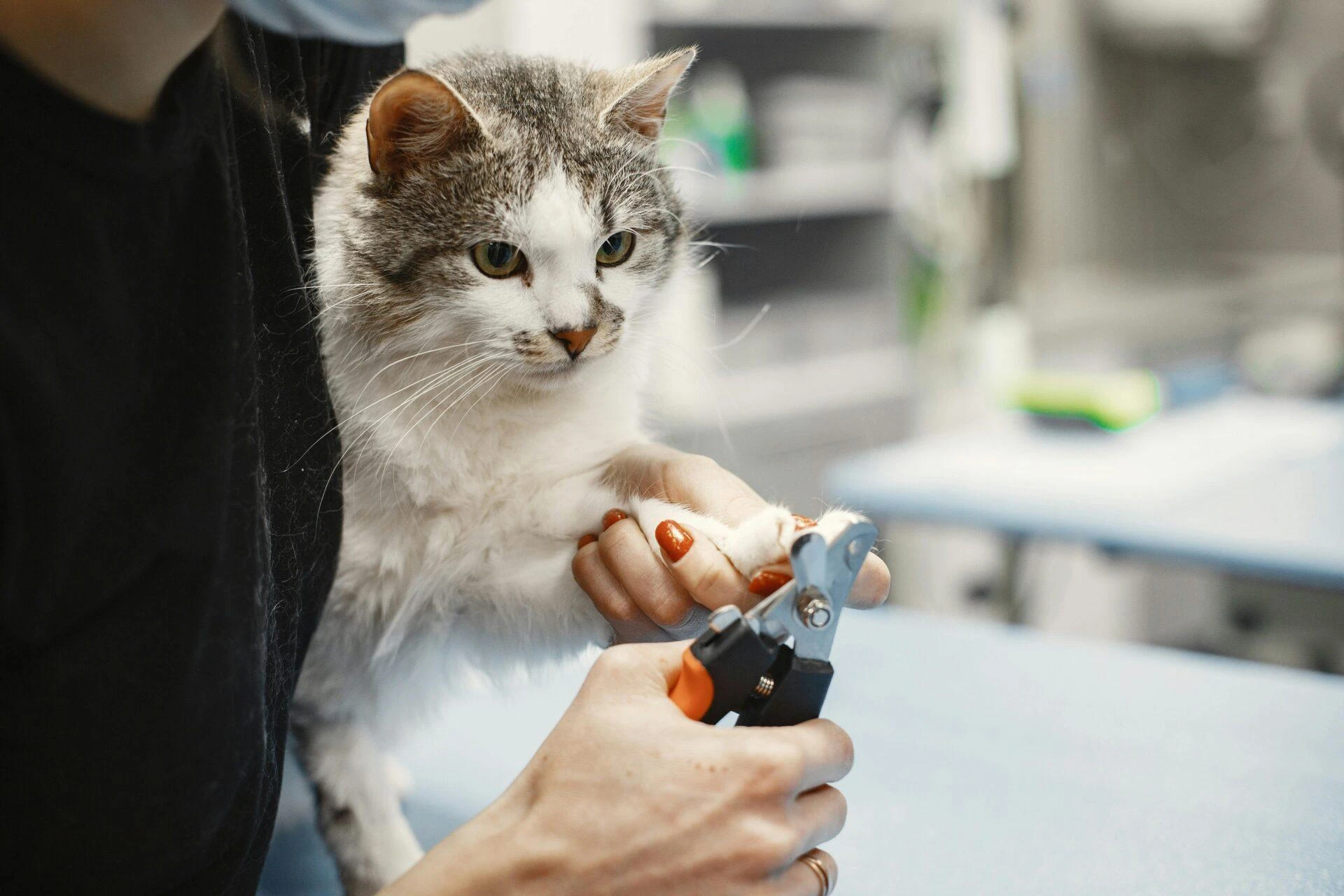
Nails need trimming roughly every 3 to 4 weeks for most dogs. A simple test: if you hear the nails clicking on hard floors, they are too long. Overgrown nails put stress on the toes and change how your dog carries weight.
Use a dog nail clipper or a grinder. If your dog resists nail trimming, go slow. Trim one nail per session at first, use treats generously, and build up over time. Avoid cutting into the quick, which is the pink blood vessel inside the nail. On clear nails, you can see it. On dark nails, trim small amounts at a time.
Check the ears weekly. Healthy ears look clean and light pink inside with no strong smell. If you notice dark debris, odor, or redness, clean with a dog-safe ear cleaner on a cotton ball. Do not push anything deep into the ear canal. If the ear looks very dirty, inflamed, or smells strongly, that is a vet visit, not a home cleaning situation.
Do a quick health check at the end of every grooming session. Look for redness on the skin, any new lumps or bumps, signs of ticks, especially after outdoor time, and any patches where the coat looks thinner or different. Reward your dog after every session. A calm, consistent routine makes grooming easier each time.
Use Software to Keep Australian Shepherd Grooming Consistent
For pet business owners or even dedicated home groomers, one of the biggest problems is not knowing how to groom. It is forgetting to stay consistent. A missed session here and there leads to mat buildup. A skipped note about a sensitive area means a problem repeats. No system means no pattern, and no pattern means the coat suffers.
Grooming software helps you build a system around your dog or your clients' dogs. For business owners, this matters even more because clients often return every 6 to 8 weeks, and the information from the last visit should inform the current one.
Here is what good grooming software helps you track and manage:
Scheduling and reminders keep grooming windows from slipping. You can set recurring appointments and get alerts when a client is due for deshedding during shedding season. For Australian Shepherds specifically, having a reminder to add an extra brushing service in spring and fall protects the coat and keeps the client happy.
Pet profile notes let you record things like coat type, which areas mat first, shampoo sensitivities, and how the dog behaves during nail trimming. For an Australian Shepherd with known feathering mat issues behind the ears, a note in the profile means every groomer who handles that dog knows where to spend extra time.
Service history tells you what worked. If a light tidy trim on the paw outline took 20 minutes last time and worked well, that note saves time and guesswork at the next visit.
Common Australian Shepherd Grooming Problems and Fixes
My Australian Shepherd Sheds Nonstop
The cause is usually a combination of natural shedding and a diet low in omega fatty acids. Fix: increase brushing frequency and add a fish oil supplement to meals (check with your vet on dosing). Prevention: consistent weekly brushing removes loose coats before it lands on your furniture.
Mats Behind the Ears and Legs Keep Coming Back
The cause is friction. Hair in those areas rubs constantly as the dog moves. Fix: work mats out gently with a detangling spray and your fingers before using a comb. Never pull a mat sharply. Prevention: brush those areas at every session, not just occasionally.
Itchy After Bath
The cause is usually shampoo residue or overbathing. Fix: rinse thoroughly, twice. Switch to a gentle, moisturizing shampoo. Prevention: only bathe when the dog needs it, and rinse longer than you think is necessary.
Hot Spots
The cause is trapped moisture, often from bathing without drying fully, or from the dog chewing or licking an area. Fix: mild hot spots respond to keeping the area dry and clean. Serious hot spots need a vet. Prevention: dry the coat fully after every bath, paying attention to the undercoat.
Hates Brushing
The cause is often a bad experience with brushing that hurts, usually from pulling on a tangle. Fix: start with very short sessions of 3 to 5 minutes. Use treats throughout. Work on one section at a time. Prevention: brush consistently so large mats never form. A dog that gets brushed often learns that brushing is not painful.
Mistakes to Avoid
Shaving the coat is the biggest mistake. It looks like a quick fix for summer heat, but it causes more harm than good. Skipping the metal comb check after brushing is another common one. The brush smooths the surface but can leave mats underneath that only the comb will catch. Bathing without drying fully is the fastest path to hot spots. Using the undercoat rake every day will irritate the skin and break down the guard hairs. Ignoring feathering mats until they become severe often means a groomer has to shave that section to remove the mat safely.
When to Use a Pro Groomer or Vet
A professional groomer makes sense for heavy coat blow blowout sessions, severe matting that you cannot work through at home, or tidy trims on the feathering and feet if you are not comfortable doing those yourself. A well-trained groomer who has experience with double-coated breeds is worth finding and keeping.
A vet visit is the right call for any skin that looks red, raw, or infected. Persistent hot spots, ears that smell strongly or have dark discharge, and any lumps or changes in the coat or skin that look unusual all need professional evaluation.
Conclusion
Learning how to groom an Australian Shepherd well takes a little time, but it pays off in a healthier, more comfortable dog and a lot less hair on your couch. Start with the right tools. Learn about the double coat and why it needs protection. Brush consistently using the line brushing method. Adjust your routine during shedding season. Dry thoroughly after every bath. Stick to tidy trims only, and leave the body coat intact.
If you groom dogs professionally or want to stay on top of your own dog's schedule, use a simple tracking system. Notes, reminders, and service history take the guesswork out of coat care and help you catch problems early.
The goal of any grooming routine is simple: a clean, mat-free coat, healthy skin, and a dog that tolerates and maybe even enjoys the process. With the steps in this guide, it is very achievable at home.





















Sign in to leave a comment.