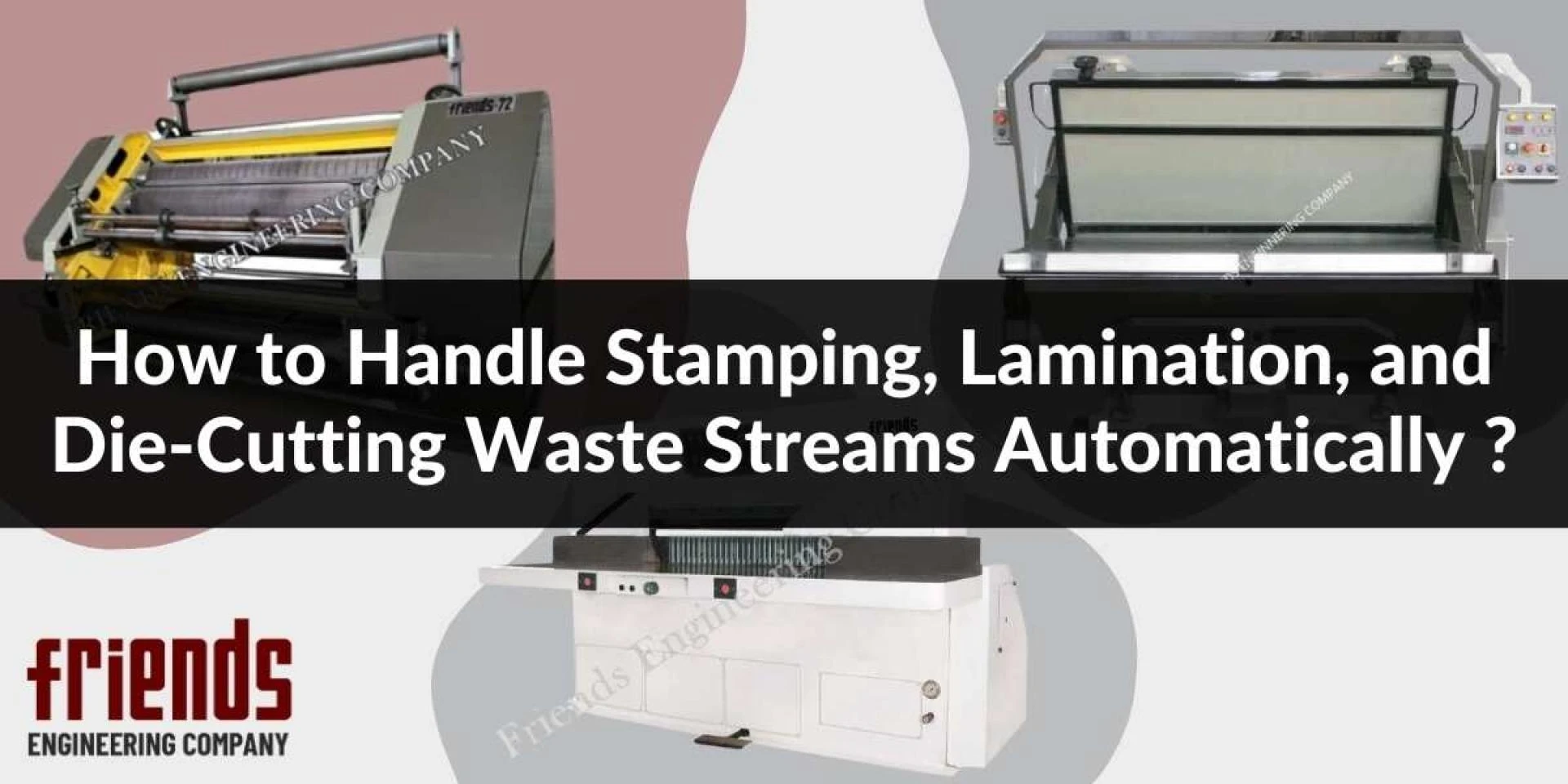

Increase Operational resilience by automating waste removal in metal forming operations.
As the manufacturing sector recovers from the COVID-19 interruption, one thing has become clear: Skilled worker shortages will continue to expand, and stamping operations need to prepare and adjust to meet this challenge.
According to 21% of candidates in a recent survey organized by a major manufacturing technologies company, automation is one area where COVID-19 revealed opportunities for innovation. Metal forming procedures that automate waste streams and make use of the industrial internet of things (IIoT) will be more productive for a more prosperous future since they will require less human resources on the shop floor. Also, automation improves workplace safety by encouraging people to keep a physical distance from one another and by minimizing total interaction with tools and equipment.
Scrap, fluid management, monitoring, and five additional areas are where introducing automation to stamping and die making processes not only helps offset the current labor shortage but also positions stamping businesses for future growth.
Transfer Metal ScrapSome of the most laborious manual procedures in the handling of metal scrap are eliminated by conveyors, hydraulic dumpers, and automated loadout systems.
Conveyors: Conveyors quickly and automatically remove waste and stamping scrap from the production point. When metal waste and spent cutting fluid are removed from core activities automatically, forklift transport is minimized and Production cycles are maximized.
Dumpers that operate automatically: These accept chip carts or drums from die cutting machine processes and uplift and convert them over a receiving hopper. Hydraulic systems provide low-level metal scrap transfers, whereas mechanical options are suitable for high-level transfers. Both technologies provide effective, one-person cart unloading when operated with a hand-held control.
Load-Out Mechanisms: These systems automatically transfer metal scrap into distribution containers for transport to a metal recycler. A shuttle conveyor’s continuous back-and-forth operation evenly distributes scrap in containers. Level sensors provide operators with an alert when the container is filled to capacity. Loadout automation can notify the scrap dealer using machine-to-machine communication that the container is ready for pickup. Integral scales track total scrap production and ensure that containers are full but do not exceed road weight limits as well. These systems significantly reduce the amount of supervision required for effective loadouts.
Employee intervention is minimized when metal scrap is transferred automatically between production locations. Additionally, Worker safety is increased, because these systems remove the risk involved in transporting metal scrap manually. In addition to allowing resource allocation for production-focused tasks in other areas of operation, this can help attract and retain quality personnel.
Adjust Metal ScrapThe process of converting bushy wads and turnings of metal scrap into flowable, shovel-grade chips is automated using metal scrap processing equipment. Vertical feed equipment provides continuous positive feed operation to enable high-volume scrap reduction. Equipment with horizontal feeds can accommodate Low volumes of bulky and stringy turnings.
These systems help in keeping shop floors free of dangerous materials and ready metal scrap for later, more effective processing.
Monitor MachinesAs older, experienced workers leave the workforce. Automated machine monitoring and IIoT capabilities present a way for stampers to succeed when that acute knowledge of facility equipment and maintenance resources are in limited supply. Predictive maintenance is supported by automated machine monitoring systems, which continuously track and record equipment performance. In the end, this reduces the number of shutdowns, reduces maintenance costs by using less staff, boosts output, and enhances worker safety throughout the entire process.
To access equipment data because they collect equipment data and send it to the cloud, IIoT communication devices enable any person or device, anywhere. This can help make machine uptime more predictable and assist a new operator in reviewing the reasons behind previous machine failures. Even automatically order replacement components by emailing vendors is possible with IIoT.
Cuts Fluid SeparatelyPost-die cutting processes, wringers and centrifuges separate cutting fluids from metal chips. Particularly, when integrated into a guillotine paper cutting machine or paper cutting machine system, wringers and centrifuges help speed up waste stream management by facilitating the automatic removal and recovery of cutting fluids. Wringers and Centrifuges with self-cleaning designs and auto lubrication systems that naturally grease bearings promote continuous operation while reducing operator-led procedures.
Control the cutting fluidFor cutting fluid management in shops without automated fluid filtration systems, employee intervention is necessary. Tramp-oil separators operations eliminate the need to vacuum oil from rinse tanks manually. Tramp-oil separators can reduce tramp oil to less than 1% in a single pass by naturally removing free-floating and mechanically distributed tramp oils, germs, muck, and inverted emulsions from individual machine sumps, central systems, and wash tanks.
Turnkey centralized fluid filtering systems can further increase the efficiency of fluid management, by using ozone injection to continuous bacteria elimination and automating coolant concentration control. Because of these centralized systems, fluid management is simple, easy, and requires minimal operator involvement or training. Cutting fluid recycling equipment also reduces the handling of dangerous waste by up to 90% and reduces new fluid purchases by up to 75%.
Automation Won't Eliminate Jobs
We cannot consider automation to be a job killer for manpower. Many people think that automation processes are replacing employment but it helps in building a strong future for operations. The North American manufacturing sector is creating advancements in automation innovations. They include metal forming operations in the new segments and replacing the old working models with advanced technologies like thermal lamination machine.
The automation processes are creating advancements and creating new opportunities rather than not giving as many new opportunities in the older version of working models. A recent study by Deloitte from the UK showed that where we are losing 800,000 low-skilled jobs, at the same time, 3.5 million higher-paying job opportunities are generating making our working processes more smooth and easier.
Companies that always strive for advanced features and technologies at the workstation have more chances to grow faster and lead the market. Automation handling in operations is a forward way and advanced techniques to be added in the work culture. They are using automation in their operations for stamping, printing and packaging processes.
Author Bio : Amardeep Singh is the Marketing Manager at Friends Engineering Company, specialized in die-cutting and paper-cutting machines. With more than 10 years of experience, he promotes market growth and innovation. Amardeep Singh helps people remain up to date on advancements in the paper cutting Industry by regularly sharing his observations on market trends and technologies.



























Sign in to leave a comment.