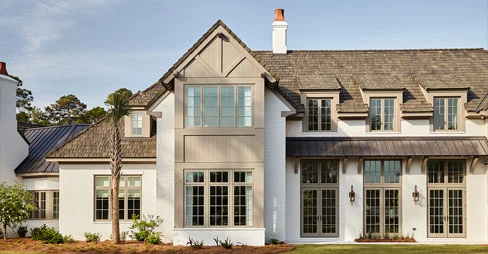
Slate roof tiles are very durable and natural-looking roof materials known to last for decades, making them worthy investments for homeowners and builders. Unfortunately, the current condition of markets is rich with ducky and substandard products due to the increased demand for slate roofing. Such poor tiles can create havoc in the structure, incur expensive repairs, and, consequently, cause financial losses. Therefore, knowing how to tell a real good-quality slate from a fake or lower-quality slate is important. Here are some useful tips to make a smart decision when choosing a slate roof tile for your house.
1. Source and Reputation of Supplier
One of the first things that you need to do when finding fake or lower-quality slate roof tiles is to investigate the credibility of the supplier. Suppliers with a good reputation will usually buy their slates from quarries known to produce high-quality products. Therefore, before purchasing, you should investigate the supplier's history, analyze consumer reviews and ask for references. Established suppliers would offer warranties and certifications that guarantee the provenance of their slate tiles. Lack of sufficient information about the origin of their slate by the suppliers would be a red flag, and you should seek alternate sources.
2. Analyze the Slate's Physical Attributes
A bona fide slate roof tile possesses distinct physical attributes that separate it from an imitation or cheaper version. Possible ways of analyzing the product are:
Texture and Feel: Natural slate has a rough feel, is dense, and has a natural texture. More towards a smooth and uniform finish, composite or fake slates.
Weight: Good quality slate is much heavier than artificial or low-grade slate. If a tile feels lighter than it should, then be warned that it may avoid the quality standards that make sense for durability.
Thickness and Uniformity: Natural slate tiles have different thicknesses, whereas artificial ones have relatively uniform thicknesses. While varying thicknesses can be tricky to use, they speak volumes about the authenticity of the product and also help in a beautiful roof.
Sound Test: Gently tap the tile with a metal object. A good-quality slate tile gives a clear ringing sound, while a fake or low-quality slate would sound dull, giving an impression of lower density and weaker construction.
3. Evaluate Water Absorption and Durability
Water absorption capacity is one of the most significant parameters in assessing the quality of slate roof tiles. Low-grade slates are subjected to the absorption of water through most of their lives, causing cracks and weather damage. To do a simple evaluation, place the tile in water and observe 24 hours of soaking to check if it absorbs moisture. Authentic, high-quality slate exhibits very low water absorption characteristics, thereby ensuring durability and resistance in harsh weather. If such a tile shows a tendency toward water absorption or weakening, it is likely of low quality and should be avoided.
4. Analyze Color and Weathering Properties
Color consistency and weathering characteristics remain the two most important determinants of a quality slate. Slate roof tiles exhibit various colors, but high-quality slates will maintain their pigment for a long time. The low-grade or fake counterparts lose their colors in a diminutive time frame, demonstrating clear signs of fabrication. Besides, the quality slates will not exhibit efflorescence, which is white powder formation as a result of excessive moisture absorption. Therefore, if you find excessive color fade or white deposits on a slate, such slate will surely be of low quality and will eventually result in an unpleasant slate roof that will require covering or replacing over time.
5. Check for Certifications and Industry Standards
Quality slate roofing will be produced based on the standards and quality assurance certificates being conferred to it. Many standards of durability, water absorption, and other performances are maintained by organizations like ASTM, CE, or their French-based counterpart, Conformité Européenne. Thus, ask for the relevant documents before buying slate tiles since if it doesn't conform to the standards set and followed by the industries, it would be better not to buy that product at all and consider the sellers who have such products that are strictly enforced and applied by various organizations.
Conclusion
Purchasing quality slate roof tiles can guarantee a long-lasting roof. Aesthetic quality is what it brings to a roof, as well as the in-built assurance of a permanent and lasting system. While supplier reputation matters, the physical capabilities of the slates were probed, water absorption tests were done, analysis of color consistency, and checking on certifications were to determine the slates' authenticity, ruling out obtaining counterfeit or low-quality products. Such a selection process saves on repair costs while increasing the lifespan of a home. Tiles should be thoroughly researched and inspected before they are purchased. This will ensure that consumers have solid and reliable roofing systems in place. These techniques ensure wise investments into long-lasting, good-looking slate roofs that will look good and work well for years to come.
























Sign in to leave a comment.