
How to Identify Fake Products Using Barcode
In today's market, counterfeit products pose a significant threat to both businesses and consumers. These fake items not only damage a company's brand reputation but also put consumers at risk. To combat this issue, companies can employ barcode systems as a powerful tool to authenticate products, ensure customer safety, and safeguard their brand reputation. In this comprehensive guide, we will delve into the world of counterfeit products, their impact, and how To Identify fake products using barcode to prevent them effectively.
Understanding Fake Products
What Are Fake Products?
Fake products are deceptive items manufactured and sold under false pretenses, presenting themselves as genuine. These counterfeit goods range from luxury items to medicines and even food products. They often fail to meet the quality standards set by the original products, posing serious health and safety risks to consumers. Addressing this problem requires industry solutions to prevent the creation and sale of fake products.
The Consequences of Counterfeit Goods on Brand Integrity and Consumer Well-being
Fake products have far-reaching consequences for both businesses and consumers:
Damage to Brand Reputation: Widespread availability of counterfeit goods can harm a company's reputation, eroding customer trust and loyalty.Financial Loss: Customers may opt for cheaper fake products over genuine ones, resulting in reduced sales and revenue for the company.Consumer Health Risks: Counterfeit medications and food items can pose severe health risks to unsuspecting consumers.Customer Distrust: Consumers who unknowingly purchase fake products may become hesitant to buy from the brand again, further damaging the company's reputation and financial success.How to Identify Fake Products Using Barcode
Barcodes offer an effective means of tracking and authenticating products. A barcode consists of a unique arrangement of vertical bars containing specific product details, including the manufacturer, product number, and serial number. It also aids in monitoring the product's sale and distribution, allowing industries to quickly verify product authenticity. Additionally, barcodes provide detailed product information such as manufacturing date, batch number, and expiration date, enabling companies to manage the product's lifecycle effectively.
Key Differences Between Original and Fake Products
Here's a table highlighting the fundamental distinctions between genuine and counterfeit products:
Original ProductsFake ProductsManufactured by the original product manufacturerProduced by unauthorized manufacturersMeet specific quality standardsDo not meet quality standardsCome with a unique serial number or barcode for tracking and verificationLack a unique serial number or barcodeOften more expensive due to their quality and authenticitySold at lower prices to attract unsuspecting customersProtect the brand reputation and maintain customer trustUndermine brand reputation and erode customer trustSigns of Fake Products
Recognizing How To Identify Fake Products using barcode for buisnesses
Poor Packaging: Fake products often have packaging with typos, shoddy graphics, or poor print quality.Unusual Texture: The texture of fake goods may differ from that of genuine items, such as scratchy fabrics or inconsistent makeup textures.Missing Features: Counterfeit products may lack important features or components present in genuine items.Low Price: Products sold at significantly lower prices than usual may be fake.Lack of Warranty or Support: Genuine products typically come with warranties and customer support, while counterfeits do not.Barcode Scanning for Product Authentication
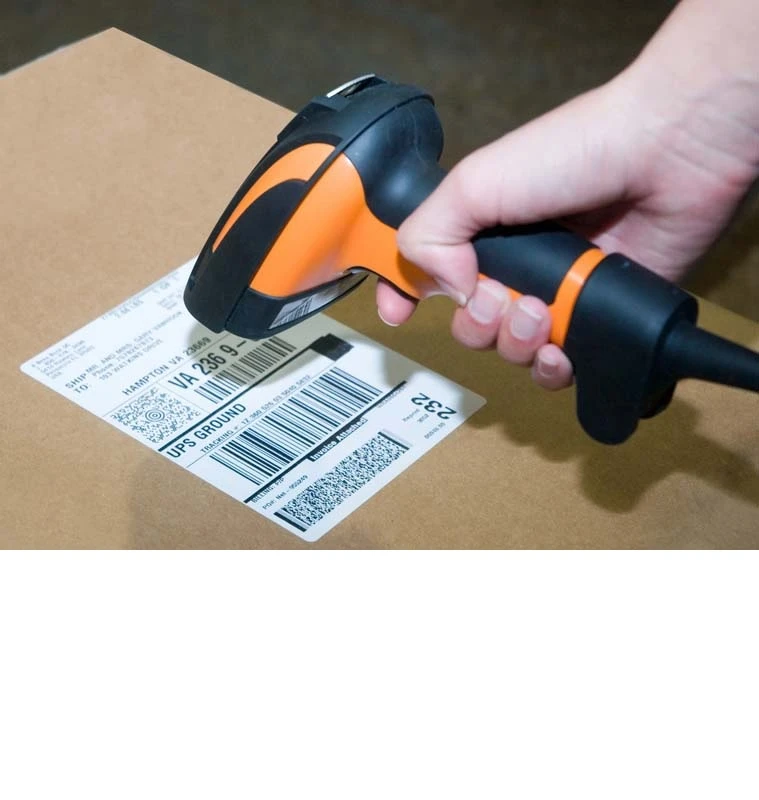
Barcodes assign a unique ID to each product, facilitating the identification of counterfeit goods. When a product is scanned, its barcode number is recorded, allowing businesses to track it throughout the supply chain. Using barcode scanners simplifies the verification of genuine products.
How Industries Use Product Serialization
Product serialization involves assigning a unique code, often displayed as a barcode or QR code, to identify and authenticate each product. Serialization enables industries to track a product's journey from manufacturing to distribution to sale. By leveraging serialization, businesses can ensure that only authentic goods reach the market, combating the influx of fake products effectively.
Challenges in Identifying Fake Products
Businesses face several challenges when combating counterfeit products:
Similarity to Authentic Products: Counterfeit goods often use the same components as genuine items, making it difficult to distinguish them without careful inspection.Sophisticated Packaging: The packaging of many fake products closely mimics that of the genuine article, making detection challenging.Complex Supply Chains: Counterfeit goods can enter the market at various points in the supply chain, complicating detection, especially for large organizations.Evolving Techniques: Fraudsters continuously develop new methods to make their goods appear more legitimate, making it hard for businesses to keep up.Legal Challenges: Pursuing legal action against counterfeiters can be challenging in regions with weak intellectual property laws.How to Check Barcode Authenticity
To ensure the authenticity of a product through its barcode, consider the following factors:
Barcode Quality: Examine the overall quality of the barcode, looking for clean, crisp lines and consistent spacing between bars and digits.Barcode Placement: Verify that the barcode is in a standard location on the product packaging.Barcode Size and Proportions: Ensure the barcode adheres to specific size and proportion standards.Barcode Labels or Stickers: Check for signs of tampering or mismatched labels covering the barcode.Security Features: Look for holographic overlays, special inks, or hidden markings that genuine barcodes may incorporate.Best Practices for Identifying Fake Products
To effectively combat counterfeit products, consider implementing these best practices:
Serialization System: Implement a serialization system that assigns a unique serial number to each product.Employee Training: Equip employees with the knowledge and resources to identify fake goods.Collaboration with Merchants: Work with merchants and third-party logistics suppliers to prevent unauthorized product sales.Market Surveillance: Regularly monitor the market to identify and halt the production and sale of fake goods.Advanced Techniques for Product Authentication
Businesses are increasingly turning to advanced authentication systems to tackle the counterfeit product problem:
Microscopic Authentication: Detailed examination of texture, color, and design to spot minute variations between genuine and fake products.Holographic Authentication: The use of challenging-to-duplicate holographic images or labels on product packaging.RFID Technology: Electronic tags providing product information that can be retrieved using RFID scanners.Watermarking: Incorporating distinctive images or patterns into labels or packaging.DNA Marking: Adding unique DNA sequences to products during production.Conclusion
The proliferation of counterfeit goods in the market has a substantial impact on brand reputation and consumer safety. Barcodes provide a reliable method for identifying fake products, maintaining brand reputation, and ensuring consumer trust. With barcodes providing product legitimacy and serialization aiding in tracking a product's lifecycle, industries can effectively combat the counterfeit product challenge.
However, recognizing counterfeit products remains challenging as counterfeiters continuously refine their strategies. In today's economy, learning how to identify fake products using barcodes is critical for protecting both businesses and consumers. If you're ready to take this step to enhance your business's reputation and consumer safety, QodeNext can assist you in getting started.
FAQs
Q1: Can counterfeit products really harm a brand's reputation?
A1: Yes, counterfeit products can significantly damage a brand's reputation as they often fail to meet quality standards, leading to customer dissatisfaction and mistrust.
Q2: What are some advanced authentication techniques for identifying fake products?
A2: Advanced techniques include microscopic authentication, holographic authentication, RFID technology, watermarking, and DNA marking.
Q3: How can businesses collaborate with merchants to prevent the sale of fake products?
A3: Businesses can work closely with merchants to ensure that products are not sold through unauthorized channels, implementing strict supply chain controls.
Q4: What is product serialization, and how does it help in combating counterfeit products?
A4: Product serialization involves assigning unique codes to products, allowing industries to track their journey from manufacturing to sale, ensuring only authentic goods reach the market.
Q5: Are there legal challenges in pursuing counterfeiters?
A5: Yes, legal action against counterfeiters can be challenging, particularly in regions with weak intellectual property laws, making it crucial for businesses to take preventive measures.
READ MORE:
How to Scan Unreadable Barcodes and QR Codes
Read Barcodes and QR Code from Images – PDF, Tiff, JPEG and more










Sign in to leave a comment.