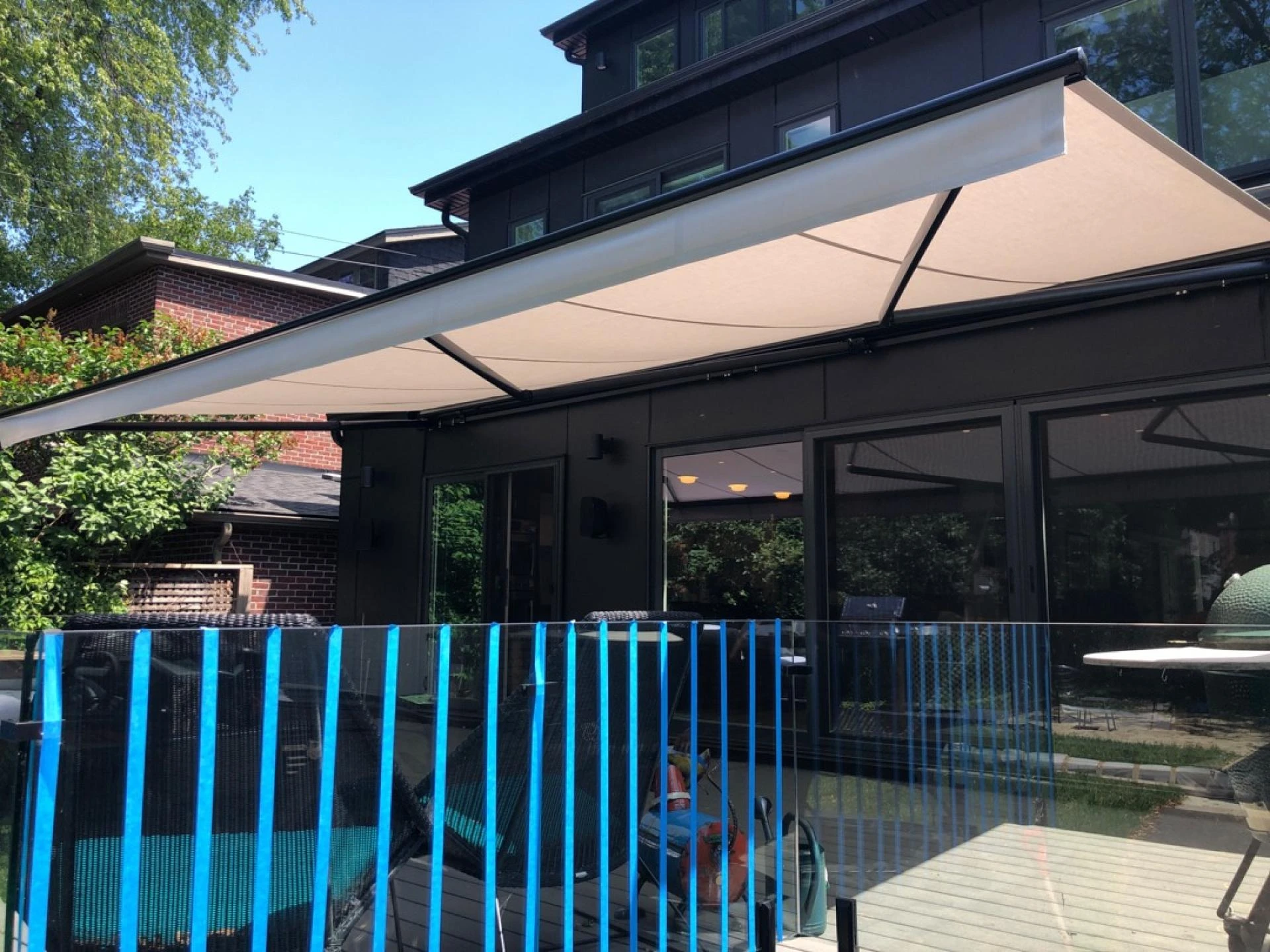
Awnings provide shade, aesthetic appeal, and functionality to residential and commercial spaces. However, exposure to harsh weather, prolonged sun exposure, and daily wear can result in both structural and cosmetic damage. Recognizing the difference between the two is crucial for selecting the right awning repair strategy.
While some issues can be handled with minor fixes, others demand a deeper, more comprehensive approach. This guide explores how to identify the signs of damage, when to opt for repair or replacement, and how custom awning repair solutions can extend the life of any awning.
Cosmetic Damage: When to Repair and When to Replace
Cosmetic damage typically impacts the appearance of an awning but doesn't compromise its structural integrity. Fading fabric, minor stains, small tears, or worn edges fall into this category. Though often dismissed as minor, cosmetic imperfections can worsen if left untreated.
Signs of Cosmetic Damage:
- Faded or discolored fabric from prolonged sun exposure
- Small tears, fraying, or pinholes in the material
- Stains caused by bird droppings, leaves, or mildew
- Rust spots on metal frames or minor scratches
When to Repair:
Basic awning repair services can address simple fabric tears or minor rust spots. Patching up small holes or applying anti-rust treatments can breathe new life into an awning without considering a complete replacement. Fabric-specific cleaning solutions can remove tough stains and restore the awning's original appearance.
When to Replace:
If fading is extensive or tears cover large fabric sections, replacement might be better. Severe rust that compromises moving parts or heavily weathered fabric beyond restoration calls for a more permanent solution. For residential awning repair, it's vital to consider aesthetics alongside functionality; an awning should complement the property's visual appeal.
A common mistake is ignoring minor cosmetic issues, thinking they won't escalate. Over time, sun-exposed tears can widen, and neglected rust can spread, leading to structural concerns. Regular inspections and timely awning repair services prevent minor flaws from becoming significant expenses.
Structural Issues: Can Custom Awning Repair Solutions Fix It?
Structural damage affects the awning's core integrity, including its frame, support arms and hardware. Ignoring these issues risks safety and can lead to complete system failure. While some structural problems can be fixed, others may require complete replacement.
Common Structural Damages include:
- Bent or warped frames due to heavy winds or impact
- Broken joints or faulty extension arms
- Weakening in mounting points or anchor failures
- Rust that has eaten through metal components
Custom awning repair solutions offer targeted fixes for complex structural issues. Skilled technicians can realign warped frames, replace broken joints, and reinforce anchor points. Unlike one-size-fits-all approaches, custom repairs consider each awning's unique specifications, ensuring longevity and stability.
However, not all structural problems are salvageable. Investing in a new system may be more practical if the foundational framework is compromised or if repairs outweigh replacement costs.
Signs Your Awning Frame Needs Immediate Awning Repair Services
Structural damage isn't always apparent. Sometimes, subtle signs signal deeper issues requiring immediate attention. Recognizing these early indicators prevents costly repairs down the line.
Key Warning Signs:
- Sagging Awning Fabric: A sagging appearance can indicate weakened support arms or frame distortion.
- Difficulty in Retraction or Extension: Manual or motorized awnings that stick or jerk during operation often point to damaged joints or bent frames.
- Persistent Rust and Corrosion: Superficial rust is easy to manage, but recurring or deep-seated corrosion weakens structural integrity.
- Unstable or Wobbly Frame: The anchor points or brackets might fail if the awning shifts during windy conditions or feels unstable.
- Visible Cracks or Splits: Check for cracks in the metal or plastic components, especially around joints and hinges.
These warning signs shouldn't be ignored. Prompt awning repair services not only restore function but also prevent potential hazards. Safety remains a priority, especially for residential awning repair—unstable awnings risk collapsing, causing property damage or injury.
Cosmetic vs. Structural: How to Make the Right Call
Differentiating cosmetic damage from structural problems sometimes requires a trained eye. While minor frays or stains are easy to spot, hairline fractures in metal frames or hidden rust under joints can go unnoticed. Consulting professionals for periodic inspections confirm that all visible or hidden issues are identified and addressed.
When deciding between repair and replacement, weigh these factors:
- Extent of Damage: Small cosmetic flaws can be patched, while widespread damage often demands replacement.
- Cost Analysis: If repair costs approach or exceed 50% of a replacement, investing in a new awning is usually more economical.
- Age of the Awning: Older systems with outdated parts might be more complex and more expensive to repair.
- Purpose and Usage: Opting for more substantial, long-lasting solutions is key for high-traffic areas or commercial spaces.
Custom solutions allow flexibility, mainly when working with unique or non-standard awning systems. Companies specializing in custom awning repair solutions can match materials, colors, and frame types, ensuring a seamless look post-repair.
Professional Assessments for Aluminum Awning Repair
While known for their resilience, aluminum awnings aren't immune to damage. Corrosion, dents from impacts, and frame warping are common issues that require specialized attention. While DIY fixes may seem tempting, aluminum demands a certain level of expertise to avoid further damage during the repair process.
Professional assessments are vital when repairing aluminum awnings. Technicians evaluate the frame's integrity, identify hidden corrosion, and determine whether repair or replacement is the most practical solution. Companies like Canadian Shade offer precise assessments and tailored services to restore aluminum awnings to optimal condition.
Protecting an awning's longevity starts with recognizing the difference between surface-level damage and deeper structural concerns. From minor cosmetic touch-ups to complex structural overhauls, awning repair services are crucial in preserving aesthetics and function.
For expert advice and customized solutions, contact Canadian Shade today. Our team specializes in comprehensive awning repair—from minor cosmetic fixes to extensive aluminum awning repairs and replacements—ensuring your outdoor spaces remain beautiful and functional.






















Sign in to leave a comment.