
Choosing a preschool is one of the most meaningful decisions a family makes in the early years of a child’s life. For parents searching for the Best Preschool Fort Worth, TX, the goal is not just to find a safe place for care, but an environment where children are supported emotionally, guided thoughtfully, and encouraged to grow with confidence. Early childhood education plays a powerful role in shaping how children learn, communicate, and relate to the world around them.
With so many programs available, it can be difficult to know what truly matters. A high-quality preschool goes far beyond basic supervision. It creates a foundation for lifelong learning by blending care, structure, and curiosity in a way that feels both secure and inspiring.
This guide explains what families should look for when choosing a preschool that offers exceptional early learning.
A Clear Educational Philosophy and Purposeful Curriculum
A strong preschool begins with a clear vision for how children learn and develop. Rather than relying on unplanned activities, a quality program follows a thoughtfully designed curriculum that supports children at every stage of early development.
A well-rounded approach focuses on language development, early math and reasoning skills, social growth, physical coordination, and creative expression. The goal is not to rush children into academics, but to help them build confidence, curiosity, and a genuine love for learning.
At schools like Children’s Lighthouse of Keller-Woodland Springs, learning is intentionally designed to support the whole child. Through Lighthouse CARES®, children learn responsibility, respect, and empathy alongside early academics, reinforcing character development as part of everyday experiences. This values-based approach reflects a balance between guided instruction and exploration, helping children grow both academically and personally in a way that feels natural, supportive, and encouraging.
The Role of Teachers in Early Childhood Education
Teachers are at the heart of every great preschool experience. The quality of relationships children form with their teachers directly influences how safe, confident, and motivated they feel each day.
Strong early childhood educators are caring, patient, and trained in child development. They understand that every child develops at a different pace and know how to support individual needs while guiding the group.
A well-run preschool also prioritizes ongoing professional development. When teachers continue learning and refining their skills, children benefit from more thoughtful instruction, better classroom management, and a more supportive learning environment overall.
Creating a Safe and Healthy Learning Environment
For families, nothing matters more than knowing their child is safe. A quality preschool maintains high standards for cleanliness, security, and daily health practices. From secure keypad entry and real-time viewing (where available) to well-maintained classrooms and clear safety procedures, every detail should reflect a commitment to child well-being.
A clean, organized environment does more than prevent illness; it helps children feel calm, focused, and comfortable. When children feel secure in their surroundings, they are more open to exploring, learning, and building relationships with others.
Schools that openly communicate their safety policies and routines demonstrate transparency and build trust with families, which is an essential part of a strong early education partnership.
The Importance of a Warm and Supportive Atmosphere
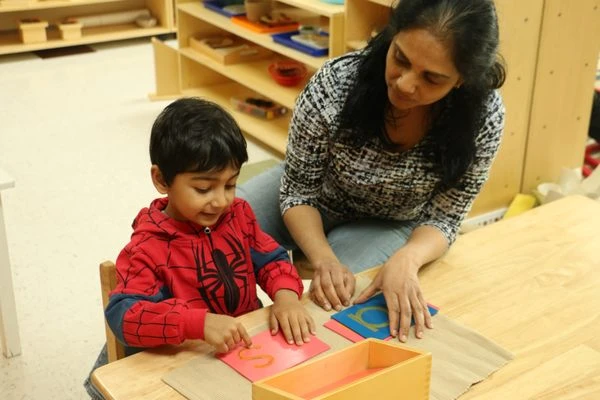
Children learn best in environments where they feel respected, encouraged, and understood. A high-quality preschool feels welcoming from the moment you walk in, with classrooms that are bright, organized, and designed for young learners.
In a nurturing setting, teachers speak to children with kindness, listen to their ideas, and encourage them to express themselves. Daily routines provide structure, but children are also given opportunities to make choices, explore interests, and learn through discovery.
This balance between guidance and independence helps children build confidence, emotional security, and a positive attitude toward school.
Supporting Social and Emotional Growth
Academic skills are only one part of early childhood development. A truly strong preschool also places great importance on helping children learn how to interact with others, manage emotions, and solve problems.
In a supportive classroom environment, children gradually learn to share, take turns, communicate their feelings, and resolve minor conflicts with guidance from caring adults. These experiences build empathy, patience, and cooperation — skills that remain important throughout life.
When a preschool intentionally supports social and emotional learning, children are better prepared not only for kindergarten, but for relationships and learning experiences far beyond the classroom.
Learning Through Play, Creativity, and Exploration
In early childhood, play is not separate from learning; it is one of the most effective ways children understand the world. Through hands-on activities, storytelling, art, movement, and imaginative play, children develop problem-solving skills, creativity, and critical thinking.
A strong preschool program blends structured learning moments with open-ended exploration. This keeps children engaged while giving them space to discover, experiment, and build confidence in their abilities.
When learning feels joyful and meaningful, children naturally become more curious and motivated.




























Sign in to leave a comment.