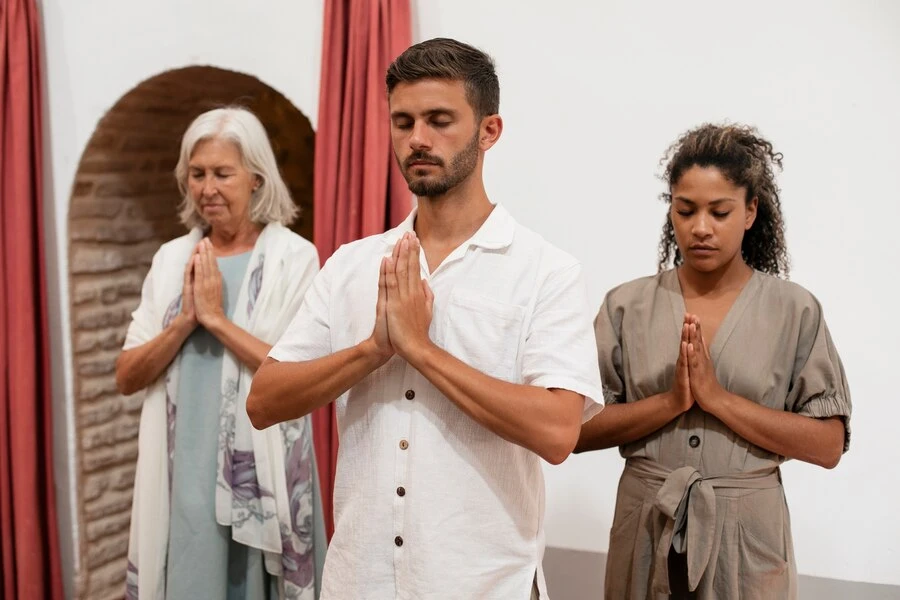

Arranging a funeral is one of the most emotionally challenging tasks a person can undertake. It’s not only about honoring the life of a loved one but also about respecting and incorporating the traditions, values, and beliefs that were important to them.
For many, religious and cultural traditions play a significant role in this process. These traditions provide comfort, meaning, and a sense of connection during a difficult time. Understanding how to incorporate these practices into the funeral arrangements can help create a meaningful and respectful tribute.
Understanding the Role of Religious and Cultural Traditions in Funerals
Religious and cultural practices vary widely across different groups, each with unique rituals, customs, and symbolic acts. These practices help provide comfort to mourners and reflect the beliefs and values of the community. Incorporating these elements into a funeral ensures that the service is not only a celebration of life but also a meaningful expression of the deceased's faith, culture, and identity.
From prayers and readings to specific ceremonial objects or attire, there are many ways to personalize and arrange a funeral service. Working with experienced funeral directors can make it easier to navigate these traditions, ensuring that every detail is attended to with care and respect.
The Role of Funeral Directors in Integrating Traditions
Funeral directors play a crucial role in helping families arrange a service that honors the traditions of the deceased. Their expertise allows them to guide families through the different options and customs that are most important to them. Whether it’s facilitating religious rituals, ensuring proper cultural protocols, or suggesting traditional funeral customs, funeral directors are instrumental in making the entire process smooth and respectful.
Understanding the Importance of the Deceased’s Faith
The first step in incorporating religious or cultural traditions is understanding the role that the deceased’s faith played in their life. For example, some families may request specific prayers, readings, or music that are tied to their religious beliefs. Funeral directors are familiar with the appropriate practices for a variety of faiths, including Christianity, Judaism, Islam, Hinduism, and Buddhism, among others. They can assist with selecting scriptures, arranging for religious leaders to officiate the ceremony, or coordinating specific rituals that need to be performed.
Catering to Cultural Customs and Practices
Cultural customs, such as the wearing of certain colors, the type of flowers used, or even the design of the casket, can all be influenced by a family’s cultural background. Funeral directors can help families ensure that these customs are respected, whether it’s through the selection of particular foods for a post-funeral gathering or choosing the appropriate symbols for the service.
For example, some cultures emphasize the importance of providing a meal for mourners, while others may have specific music or symbolic objects they wish to include.
Incorporating Religious Elements
Prayers and Religious Readings
Many religious traditions involve specific prayers, scripture readings, or songs. Whether it’s a Christian funeral service featuring hymns and Bible readings, a Jewish funeral with prayers such as the Kaddish, or a Buddhist ceremony with chanting and offerings, these elements help provide comfort and guide the soul of the departed. Funeral directors are often able to work closely with clergy members or religious leaders to ensure the service reflects these important religious practices.
Rituals and Ceremonies
Depending on the religion, certain rituals or ceremonies may be part of the funeral. These rituals can range from the lighting of candles to the offering of food, performing specific rites, or the washing and dressing of the body. Funeral directors are knowledgeable in these practices and can make arrangements to ensure that these customs are carried out appropriately.
Memorial Services and Gatherings
In many religious traditions, memorial services or gatherings following the funeral are just as important as the service itself. Whether it's a Hindu family holding a prayer ceremony or a Catholic family gathering for a mass, funeral directors can help organize these events in accordance with religious and cultural expectations.
Tailoring Funeral Arrangements to Cultural Needs
Cultural practices often influence several aspects of the funeral, from the type of attire worn by mourners to the way the body is prepared. For example, in some cultures, the family may request that mourners wear white as a sign of mourning, while in others, black may be the tradition. Additionally, some cultures have specific burial customs, such as cremation or burial in a particular type of casket.
Funeral directors can help ensure that these requests are met, whether it's securing a culturally appropriate casket, providing specific attire, or arranging for traditional music or food at the wake.
Personalizing the Service
Incorporating personal religious or cultural traditions into a funeral service is a beautiful way to celebrate a loved one’s life and legacy. Funeral directors can assist with creating a service that reflects the personality of the deceased, whether that involves selecting specific songs, readings, or ceremonial rituals.
For example, if the deceased was known for their love of music, funeral directors might help arrange for a favorite song to be played during the service. Similarly, if there was a cultural or religious symbol that held great significance, such as a crucifix or a prayer mat, funeral directors can ensure that this symbol is prominently featured during the ceremony.
Incorporating religious and cultural traditions into funeral arrangements is a deeply personal way to honor the deceased and provide comfort to the family. By working with experienced funeral directors, families can ensure that all aspects of the service align with the traditions and beliefs that are most important to them.




Sign in to leave a comment.