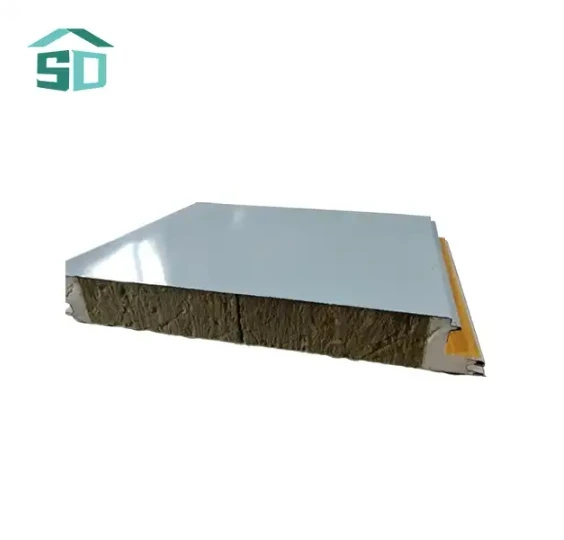

Fibreglass sandwich panels are widely recognized for their energy efficiency, durability, and ease of installation, making them an ideal choice for a range of applications in both residential and commercial construction. These panels, composed of two outer layers of fibreglass with an insulating core, provide excellent thermal insulation, soundproofing, and structural strength. Installing fibreglass sandwich panels can significantly improve the overall energy performance of a building while reducing construction time. If you're considering using these panels for your next project, In this guide, Sandong building material company will walk you through the step-by-step process of how to install fibreglass sandwich panels effectively.
1. What are the Benefits of Using Fibreglass Sandwich Panels?
Fibreglass sandwich panels have gained popularity in recent years due to their unique construction, which combines strength with superior insulation. Understanding the benefits of these panels will help you appreciate why they are a preferred choice for both residential and commercial buildings.
Thermal Insulation:
One of the most significant advantages of fibreglass sandwich panels is their excellent thermal insulation properties. The core of the panel, which can be made from various materials like polyurethane, polystyrene, or mineral wool, acts as an effective barrier to heat transfer. This reduces the need for heating and cooling, resulting in energy savings. Fibreglass sandwich panels ensure a comfortable indoor environment by preventing heat from escaping during the winter and keeping the building cool in the summer.
Durability and Strength:
The outer fibreglass layers of these sandwich panels provide exceptional strength and resistance to environmental factors. These panels are less susceptible to damage from moisture, UV rays, and temperature fluctuations, unlike traditional insulation materials. Their durability also makes them an excellent choice for high-traffic areas, as they are resistant to wear and tear.
Cost-Effective and Easy Installation:
While fibreglass sandwich panels may come with a higher initial cost compared to traditional insulation, their long-term cost-effectiveness is undeniable. With their ease of installation, especially for large-scale projects, you can save both time and labor costs. Their lightweight design makes handling easier, and their pre-fabricated nature reduces the need for extensive on-site customization.
Environmental Impact:
Fibreglass sandwich panels are also an eco-friendly option. The panels help reduce energy consumption, leading to lower carbon emissions and a smaller environmental footprint. Additionally, the materials used in their construction are often recyclable, further contributing to sustainability.
Versatility:
Fibreglass sandwich panels can be used in a variety of applications, including wall and roof insulation in industrial buildings, warehouses, offices, and even residential homes. Their versatility, coupled with aesthetic customization options, makes them a popular choice for both functional and decorative purposes.
2. What Tools and Materials Are Needed to Install Fibreglass Sandwich Panels?
To ensure a smooth and efficient installation of fibreglass sandwich panels, having the right tools and materials on hand is crucial. Here is a list of essential items that will make the process easier:
Tools Required:
- Measuring Tape: For precise measurements to ensure that the panels fit perfectly within the designated space.
- Level: Ensures that the panels are installed evenly and without any distortion.
- Power Drill with Screws: Used to secure the panels in place, ensuring that the fasteners penetrate the structure and hold the panels firmly.
- Cutting Tools (Circular Saw or Jigsaw): For cutting panels to the required dimensions. A saw designed for fibreglass ensures clean and precise cuts.
- Safety Gear: Always prioritize safety during installation. Protective gloves, goggles, and a dust mask are essential when handling fibreglass materials.
- Screwdriver: To tighten screws securely and properly fasten the panels.
- Ladder or Scaffolding: Depending on the height of the structure, you'll need a stable platform to work from.
Materials Required:
- Fibreglass Sandwich Panels: Ensure you have the correct quantity and size for your installation project.
- Sealants: A high-quality sealant or adhesive is necessary to ensure an airtight seal between panels.
- Insulation Core (if not already included in panels): Additional insulation may be needed, depending on the thermal performance you require.
- Fasteners (Screws, Bolts, or Rivets): Ensure you have corrosion-resistant fasteners to secure the panels.
Before beginning the installation, it's essential to ensure that all tools and materials are ready and accessible. This will help minimize delays and ensure the installation proceeds smoothly.
3. How Do You Prepare the Surface Before Installing Fibreglass Sandwich Panels?
Proper surface preparation is essential to ensure that the fibreglass sandwich panels are installed securely and effectively. Whether you are installing these panels on a wall or a roof, preparation involves several key steps:
1. Clean the Surface:
Ensure that the surface where the panels will be installed is free from dirt, dust, grease, or any other debris. A clean surface ensures that the adhesive or fasteners bond properly, preventing any potential issues with panel stability.
2. Inspect the Surface for Damage:
Check the surface for any cracks, holes, or other structural issues. If necessary, repair these areas to provide a smooth, solid base for panel installation. Any existing damage could compromise the strength and insulation efficiency of the sandwich panels.
3. Ensure Proper Alignment:
Before beginning installation, make sure the surface is level and that all alignment marks are clearly visible. Using a measuring tape and a level will help ensure that the panels are aligned correctly and installed evenly.
4. Safety Precautions:
Safety is critical during installation. Ensure that scaffolding or ladders are securely positioned, and that workers wear appropriate safety gear, including gloves, goggles, and dust masks. When working at height, always use harnesses and secure platforms to avoid accidents.
4. What Are the Steps for Installing Fibreglass Sandwich Panels?
Installing fibreglass sandwich panels requires attention to detail and adherence to best practices. The following steps outline the process:
1. Start with the Bottom Panel:
Begin by positioning the bottom panel of the installation area. Use a level to ensure that the first panel is perfectly aligned. This will serve as the base for all subsequent panels, so accuracy at this stage is crucial.
2. Secure the Panels with Fasteners:
Using the pre-measured marks, secure the first panel to the structure with screws or bolts. Ensure the fasteners are spaced evenly to distribute weight and pressure across the panel. Tighten the fasteners until the panel is firmly in place, but avoid overtightening to prevent damaging the panel.
3. Add the Next Panel:
For the second panel, apply adhesive or sealant along the edges of the first panel. Align the second panel with the first, ensuring it fits snugly. Secure the second panel using fasteners, again ensuring they are evenly spaced and tightened appropriately.
4. Continue the Installation Process:
Repeat the process for all subsequent panels, ensuring they are aligned properly with the previously installed ones. Always check for level and alignment as you proceed. It’s essential that the panels fit together tightly to prevent air gaps and maximize thermal efficiency.
5. Cut Panels to Fit:
In cases where panels need to be trimmed to fit specific dimensions, use a circular saw or jigsaw designed for fibreglass. Take proper safety precautions when cutting the panels, and always measure twice before cutting.
6. Seal the Joints:
After all panels are installed, apply sealant to the joints between the panels. This ensures that the insulation remains airtight and provides additional protection against moisture and air leaks.
5. How Do You Maintain Fibreglass Sandwich Panels After Installation?
Maintaining fibreglass sandwich panels is relatively easy and requires minimal effort to keep them in top condition. Proper maintenance ensures that the panels continue to perform optimally over the years.
1. Inspect Regularly:
Periodically inspect the panels for any signs of damage, such as cracks, dents, or delamination. If any damage is found, it should be addressed immediately to prevent further issues.
2. Clean the Panels:
Clean the fibreglass panels regularly to remove dirt, dust, and debris. Use a mild detergent and a soft cloth or sponge to avoid scratching the surface. Never use harsh chemicals or abrasive materials, as they may damage the fibreglass finish.
3. Check for Air Leaks:
Over time, the sealant between the panels may degrade or wear off. Check for air leaks and reapply sealant where necessary to maintain energy efficiency.
4. Protect from Physical Damage:
Avoid putting heavy loads on the panels or subjecting them to impact that could cause damage. Regularly check the fasteners to ensure they remain secure.
Conclusion
Fibreglass sandwich panels are an excellent choice for improving insulation and energy efficiency in both residential and commercial buildings. Their easy installation, long-lasting durability, and superior thermal performance make them a cost-effective and environmentally friendly option. By following this step-by-step guide, you can ensure that your fibreglass sandwich panels are installed correctly, offering maximum benefit for years to come.
For more information about fibreglass sandwich panels or to get in touch with Sandong Building Materials, please contact us at [email protected].
References:
- "Fibreglass Sandwich Panels Installation Guide," Building Materials Journal, 2024.
- "Energy Efficiency Benefits of Fibreglass Sandwich Panels," Green Construction Review, 2023.
- "A Comprehensive Guide to Sandwich Panel Installation," Commercial Construction Insights, 2023.
- "Durability and Performance of Fibreglass Sandwich Panels," Construction Materials Today, 2023.
- "How to Maintain Fibreglass Sandwich Panels," Building Maintenance Tips, 2023.










Sign in to leave a comment.