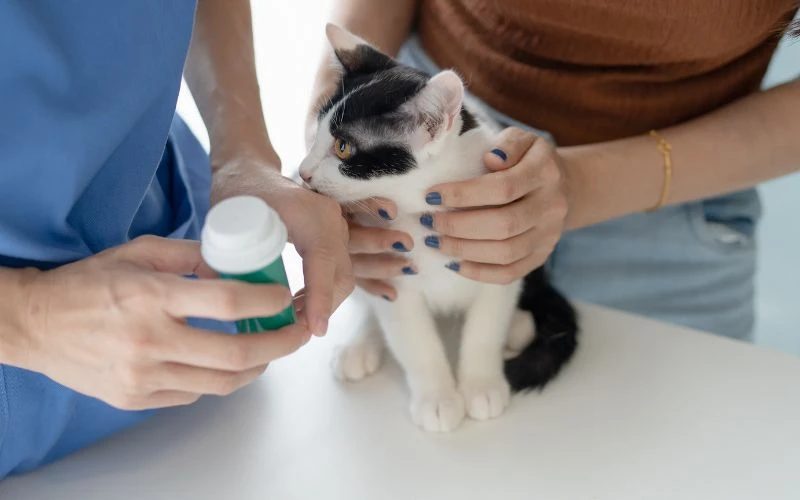

Stress responses during vet visits or grooming sessions are common in cats. Research from Australian animal behaviour groups indicates that more than half of indoor cats show elevated anxiety during transport, handling, or unfamiliar environments. This reaction is not random. It is driven by sensory overload, lack of control, and negative associations formed early on.
Calm behaviour is not accidental. It is shaped through preparation, routine, and the right kind of stimulation before and after appointments.
Why Do Cats Become Anxious During Vet Visits or Grooming?
Cats experience stress when familiar routines are disrupted. New smells, loud noises, physical restraint, and unfamiliar handling trigger defensive instincts.
Common stress triggers include:
- Sudden transport outside the home
- Strong scents from other animals
- Direct physical restraint
- Previous negative experiences
- Lack of mental or physical outlet beforehand
When these factors combine, anxiety escalates quickly.
How Can Cats Be Prepared Before an Appointment?
Planning should start a long time before you leave or start getting ready.
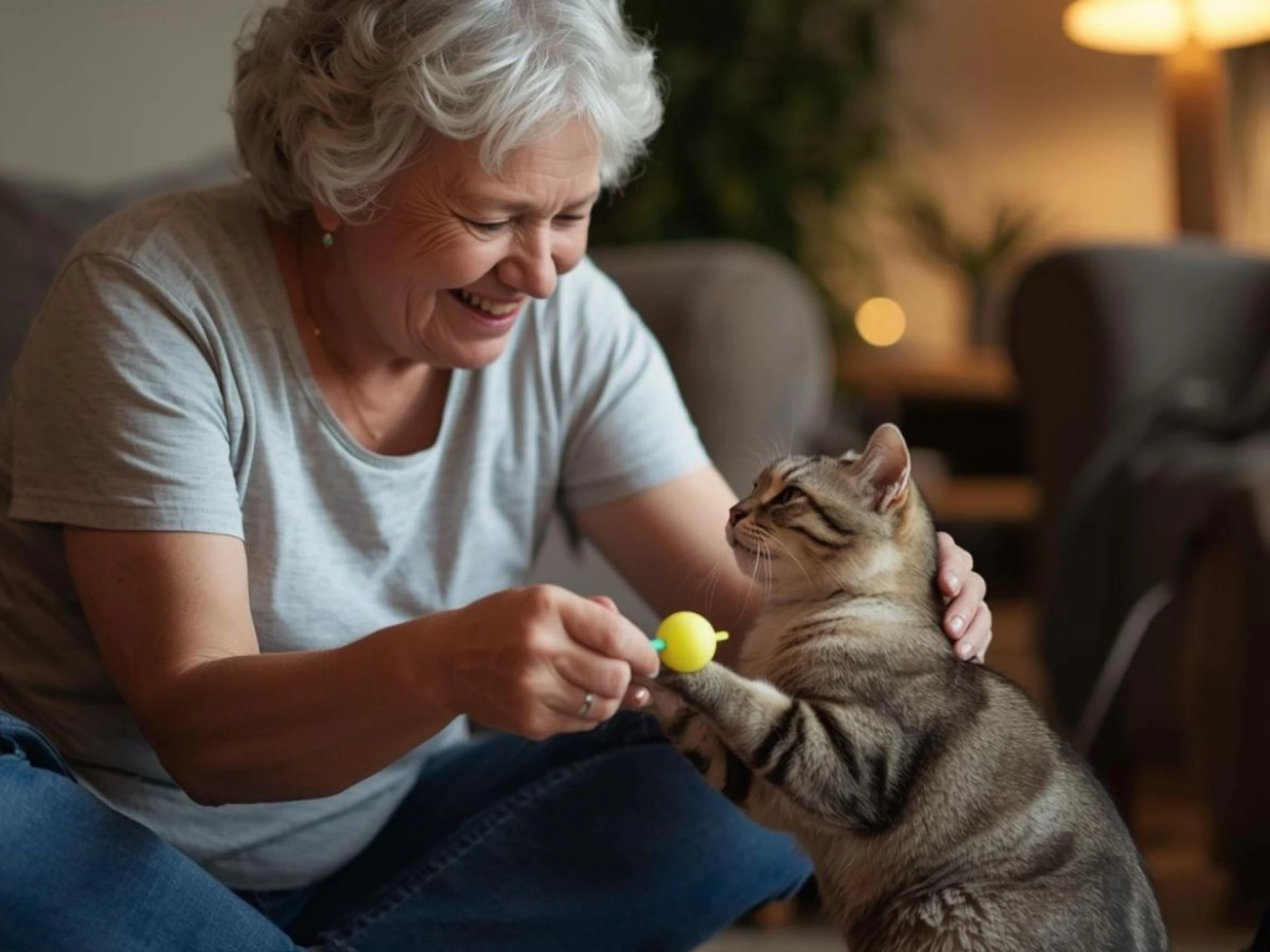
Short, structured activity sessions earlier in the day help regulate energy levels and reduce reactivity. Tools such as interactive cat toys in Australia are particularly effective for controlled stimulation, as they encourage focus without overstimulation.
Practical preparation steps:
- Schedule play sessions 30–60 minutes before departure
- Encourage natural hunting behaviour through movement-based toys
- Keep play calm and structured rather than frantic
- Allow rest time immediately after stimulation
A calm body is easier to handle than a restless one.
Does Familiarity With Carriers Reduce Stress?
Yes. Carrier avoidance is a major contributor to anxiety.
Cats associate carriers with negative outcomes when they appear only before vet visits. Keeping carriers accessible at home helps neutralise that response.
Effective carrier strategies:
- Leave the carrier open in a familiar room
- Add bedding with familiar scents
- Occasionally place treats or toys inside
- Avoid sudden confinement
Familiarity removes the element of surprise.
What Role Does Mental Stimulation Play?
Using your mind helps your nervous system focus on patterns you can expect. Automatic cat toys are great for the hours before a meeting because the cat can play on its own without any help from a person.
- Benefits of mental stimulation include:
- Less talking and moving around
- Improved tolerance to handling
- Better recovery after a stay
- Less overall stress reaction
Predictable stimulation supports emotional regulation.
What Should Happen During the Visit?
Handling should remain minimal and controlled. Excessive restraint increases fear responses.
Best practices include:
- Allowing brief pauses during handling
- Watching for stress signals such as flattened ears or tail flicking
- Keeping sessions efficient rather than prolonged
- Maintaining calm, consistent movements
Shorter, calmer visits reduce long-term stress memory.
How Can Calm Behaviour Be Reinforced Afterwards?
Post-visit recovery is just as important as preparation.
At home, cats benefit from:
- Quiet, familiar spaces
- Gentle play or enrichment
- Access to favourite resting areas
- Normal routines resuming quickly
Positive reinforcement helps reframe the overall experience.
FAQ
How early should preparation start before a vet visit?
Preparation should begin several hours in advance, allowing time for stimulation, rest, and calm transition.
Do toys really help reduce grooming anxiety?
Yes. Structured mental and physical engagement lowers excess energy that often fuels stress reactions.
Should stressed cats be forced into carriers?
No. Forced confinement increases fear and can worsen future responses. Familiarisation is more effective.
Final Thoughts
Calm vet visits and grooming sessions are built through consistency, preparation, and controlled engagement. Stress is not eliminated by force, but by predictability. When mental stimulation, familiar environments, and gentle handling align, anxiety decreases naturally. Over time, calm becomes the default response rather than the exception.























Sign in to leave a comment.