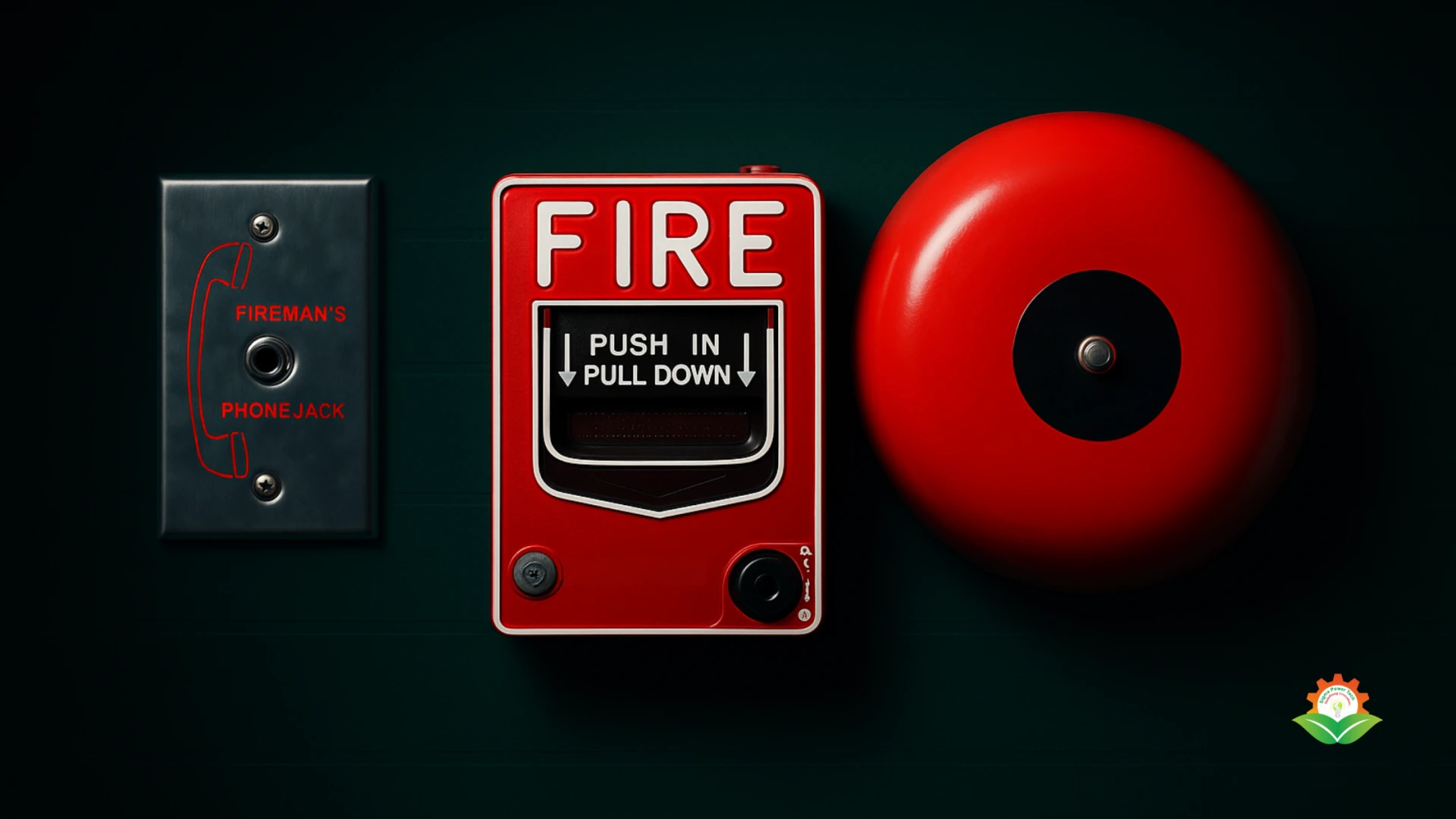

Keeping your building safe starts with a reliable fire alarm system, but even the best setups need regular care to work when it matters most. Neglect them, and a small glitch could mean silence during a real emergency. This simple checklist covers everything building owners and managers need to do for their fire detection and fire alarm system, from quick weekly glances to annual deep checks. Follow these steps to stay compliant, cut risks, and avoid costly surprises.
Why Regular Maintenance Saves Lives and Money
Fire alarms don't run on hope—they need hands-on attention. Dust clogs sensors, batteries fade, and wires loosen over time, especially in India's dusty or humid climates. A well-maintained fire detection system catches smoke or heat early, triggering the fire alarm system to guide everyone out safely.
Skipping checks leads to failed inspections, fines, or worse—missed warnings. Regular upkeep keeps insurance happy, tenants confident, and repairs cheap. Think of it like car servicing: small fixes now prevent big breakdowns later. Local rules like NBC demand logs proving you care, making audits a breeze.
Weekly Visual Walk-Throughs
Start easy—spend 15 minutes weekly walking your building. Look at smoke and heat detectors for dust or cobwebs; wipe gently with a soft cloth. Check horns and lights: do they look clean and secure? Glance at manual break-glass buttons—are they reachable, no obstructions?
Eye the main control panel for blinking trouble lights or low battery warnings. Note doors and exits: clear paths, signs bright? Jot findings in a notebook or app—date, spot, issue. This quick habit spots 80% of problems before they grow, keeping your fire detection system sharp without fancy tools.
In busy offices or factories, assign a staff member; rotate to keep eyes fresh.
Monthly Hands-On Tests
Once a month, get active. Press test buttons on every smoke and heat detector—listen for beeps, watch lights flash. They should sound loud enough to wake sleepers or cut through noise. Silence any that stick; clean insides if dusty.
Test manual call points: break the glass safely (use test keys), confirm full alarms blare. Check the control panel screen—does it show the exact zone, like "Second floor lobby"? Verify backup batteries hum steady, no weak chirps. Walk the building during tests: hear horns everywhere? See strobes in corners?
Log results: pass/fail, date, notes. Replace dead batteries immediately. These steps ensure your fire alarm system wakes up ready every time.
Quarterly Deep Cleans and Checks
Every three months, roll up sleeves for thorough work. Vacuum detector covers gently—no compressed air blasts. Inspect wiring for frays or loose connections, especially near doors or machines. Clean panel vents; fan out dust bunnies.
Test full circuits: trigger one end, confirm alerts reach the other. Check emergency lights—flip main power, see backups glow steady. Verify door magnets release on alarm, paths stay lit. In high-traffic spots like stairs, tighten loose mounts.
Hire a pro if unsure; they bring tools for flow tests. Update logs with photos—great for records. Quarterly care catches wear early, extending your fire detection system's life years.
Six-Month Battery and Power Reviews
Batteries power alarms during blackouts, so check them mid-year. Open panels, test voltage with a meter or built-in checker—replace anything under par. Smoke detectors often need fresh ones yearly anyway.
Inspect main power supplies: fuses good, grounds solid? Simulate outages—does the fire alarm system switch seamless? In monsoon-prone areas, check for dampness causing shorts. Clean battery compartments, note install dates.
This step prevents silent failures when storms hit, common across India. Log serial numbers for warranty claims.
Annual Professional Inspections
Once yearly, bring in certified experts—they certify compliance. Full system test: simulate smokes in zones, time responses, measure sound levels. Calibrate sensors for sensitivity; adjust for your building's quirks like high dust.
They pressure-test circuits, update software, and smoke-log everything for NBC audits. Replace aged parts—detectors over 10 years go first. Get a stamped report proving readiness.
Costs stay low with contracts; skip, face fines double. Annual pros catch hidden issues weekly eyes miss.
Training Your Building Team
Maintenance isn't just mechanical—people matter. Train two staff per floor on basics: test buttons, panel reads, evacuation calls. Run surprise drills quarterly: sound alarm, time exits, count heads.
Posters remind: "Test monthly, report faults." Apps track schedules, ping reminders. Empowered teams turn your fire detection and fire alarm system into a living safeguard.
Handling Common Building Issues
Dusty factories? Clean extra. Humid coasts? Seal checks. Growing offices? Add detectors yearly. False alarms from cooking? Zone kitchen horns softer.
Logs spot patterns—like recurring lobby beeps signaling vent fixes. Address roots, not symptoms.
Documentation and Compliance Tips
Keep a binder: dates, tests, fixes, pro reports. Digital backups too—scan photos. NBC wants six-year history; insurers check monthly proofs.
Apps automate: snap pics, auto-file. Audits pass first try.
Budgeting Smart for Long-Term Care
Yearly upkeep runs 5-10% of install cost—batteries Rs 500 each, pro visits Rs 10,000. Bulk buys save. Preventive wins over emergency Rs lakhs.
Contracts bundle tests, parts, training.
Real Building Wins from Simple Habits
A Delhi office caught dead battery pre-drill—no panic. Mumbai factory logged falses, fixed ducts—smooth audits. Tenants renew seeing care.


Sign in to leave a comment.