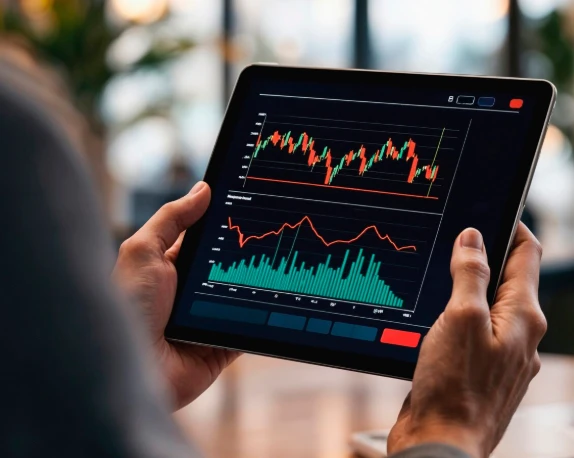

One of the most dangerous mistakes beginners make is entering live markets too early.
Knowing when you are ready is more important than knowing how to trade.
Let’s break down how to learn trading—and how to recognise genuine readiness.
Step 1: Learn Trading in a Controlled Environment
Before risking real money, traders should:
- Learn basics through online trading courses
- Understand strategy logic
- Practice in paper trading environments
Rushing this step leads to emotional losses.
Step 2: Prove Consistency on Paper or Small Capital
You are not ready for live markets if:
- You randomly change strategies
- You ignore stop-losses
- You cannot explain trade logic
You may be ready if:
- You follow rules consistently
- You accept losses calmly
- You focus on process over outcome
Online trading courses that emphasise discipline help here.
Step 3: Understand Emotional Readiness
Live trading introduces:
- Fear of loss
- Greed after wins
- Overconfidence
Being ready means:
- You don’t revenge trade
- You don’t chase missed trades
- You can stop after losses
This emotional stability matters more than strategy accuracy.
Step 4: Start Small—Not Perfect
Being ready does not mean being perfect.
It means:
- Using small capital
- Risking minimal amounts
- Treating trades as feedback
Good online trading courses encourage gradual exposure, not sudden jumps.
Step 5: Evaluate Yourself Honestly
Ask yourself:
- Can I follow rules without supervision?
- Can I stop trading when conditions are bad?
- Do I review my mistakes objectively?
If the answer is yes, you’re likely ready.
Final Takeaway
Learning trading is a process. Entering live markets is a decision, not a milestone.
Online trading courses prepare you with knowledge—but readiness comes from discipline, emotional control, and consistency, not confidence alone.
Start slow, stay structured, and let skill—not excitement—guide your entry.

























Sign in to leave a comment.