

Web development is an exciting and rewarding field. With the right approach, anyone can learn the skills needed to build websites and web applications. This guide will walk you through the essential steps to get started with web development as a beginner.
1. Understand What Web Development Is:
Web development is the process of creating websites and web applications that run on the Internet. It consists of two main parts:
- Front-End Development: This involves everything that users see and interact with on a website, such as layouts, fonts, colors, menus, and buttons.
- Back-End Development: This involves the server-side aspects of a website, including databases, servers, and application logic that users don’t see but are essential for the website to function.
2. Learn HTML, CSS, and JavaScript
The first step in web development is to learn the three fundamental languages:
- HTML (HyperText Markup Language): This is the standard language for creating web pages. It structures your content and elements on a page.
- CSS (Cascading Style Sheets): This language describes how HTML elements are to be displayed on screen. It controls the layout, colors, fonts, and overall appearance.
- JavaScript: This programming language makes web pages interactive. It allows you to create dynamic content such as animations, form validations, and interactive maps.
3. Build Simple Projects:
Applying what you learn through practice is crucial. Start with small projects to build your confidence and skills. Here are some ideas:
- Create a personal blog or portfolio website
- Build a simple to-do list application
- Design a landing page for a product or service
These projects will help you understand how HTML, CSS, and JavaScript work together.
4. Learn Version Control with Git and GitHub:
Version control is an essential part of web development. Git is a system that tracks changes to your code, while GitHub is a platform for hosting and sharing your code. Learning how to use Git and GitHub will help you manage your projects and collaborate with others.
5. Explore Front-End Frameworks and Libraries:
Once you are comfortable with HTML, CSS, and JavaScript, you can explore frameworks and libraries that make web development faster and easier:
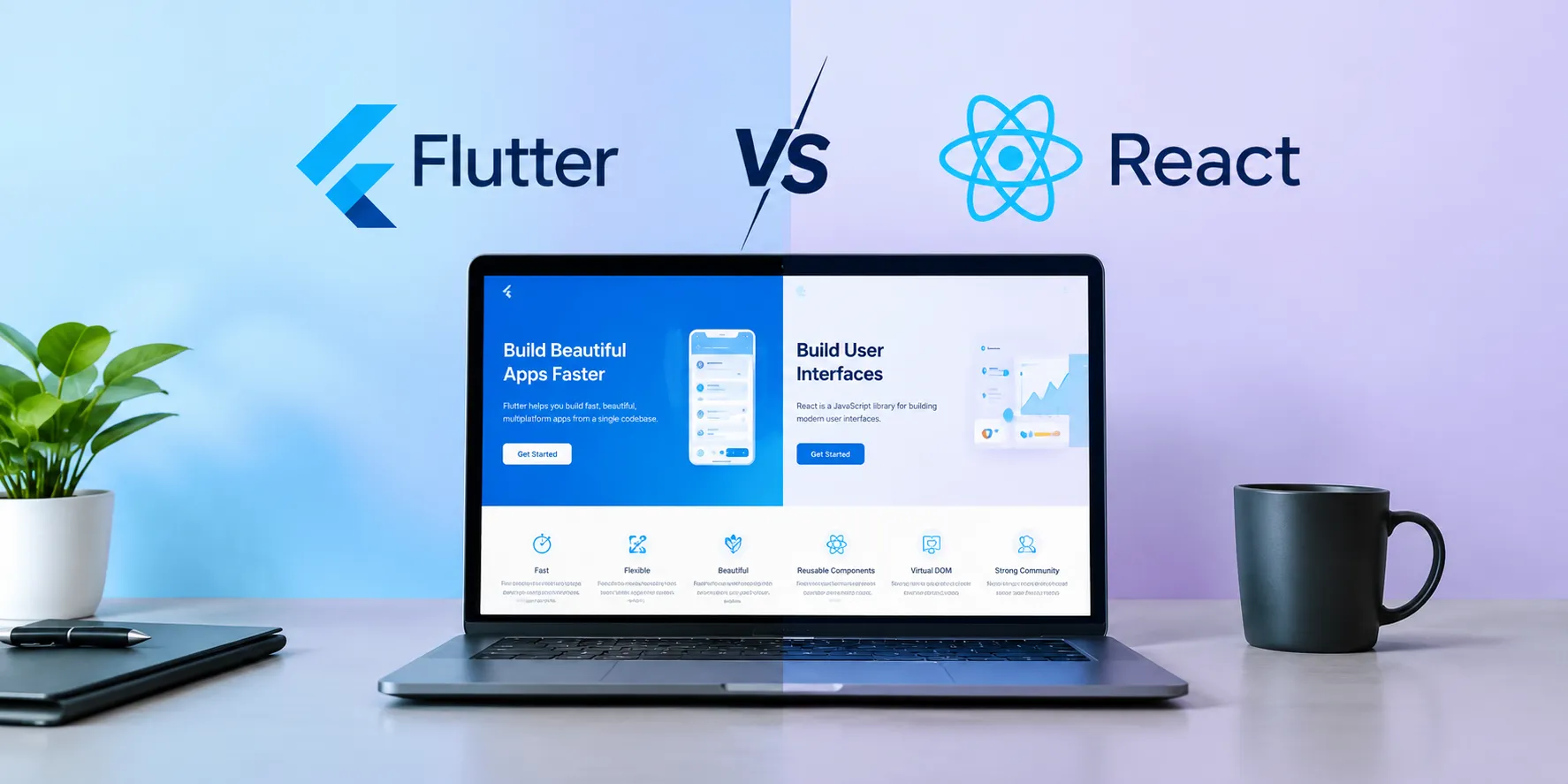
- React: A JavaScript library for building user interfaces.
- Vue.js: A progressive framework for building user interfaces.
- Bootstrap: A CSS framework for designing responsive websites.
6. Learn Back-End Development:
Back-end development involves working with servers, databases, and server-side applications. Popular languages and frameworks for back-end development include:
- Node.js: A JavaScript runtime for building server-side applications.
- Python: A versatile and beginner-friendly programming language.
- Ruby on Rails: A server-side web application framework written in Ruby.
7. Work with Databases:
Databases store and manage data for your web applications. Learning about SQL (Structured Query Language) for relational databases and NoSQL databases like MongoDB is essential.
8. Practice Consistently:
The best way to become proficient in web development is to practice regularly. Build projects, contribute to open-source projects, and participate in coding challenges on websites like GitHub, freeCodeCamp, and LeetCode.
9. Stay Updated and Join Communities:
Web development is a constantly evolving field. Stay updated with the latest trends and technologies by following blogs, subscribing to newsletters, and joining online communities like Stack Overflow, Reddit, and Twitter. Engaging with the community can provide support, inspiration, and valuable insights.
Conclusion
Learning web development takes time, patience, and dedication. Start with the basics of HTML, CSS, and JavaScript, and gradually move on to more advanced topics like frameworks, back-end development, and databases. Practice consistently, build projects, and stay engaged with the community. With persistence and effort, you can become a skilled web developer.






















Sign in to leave a comment.