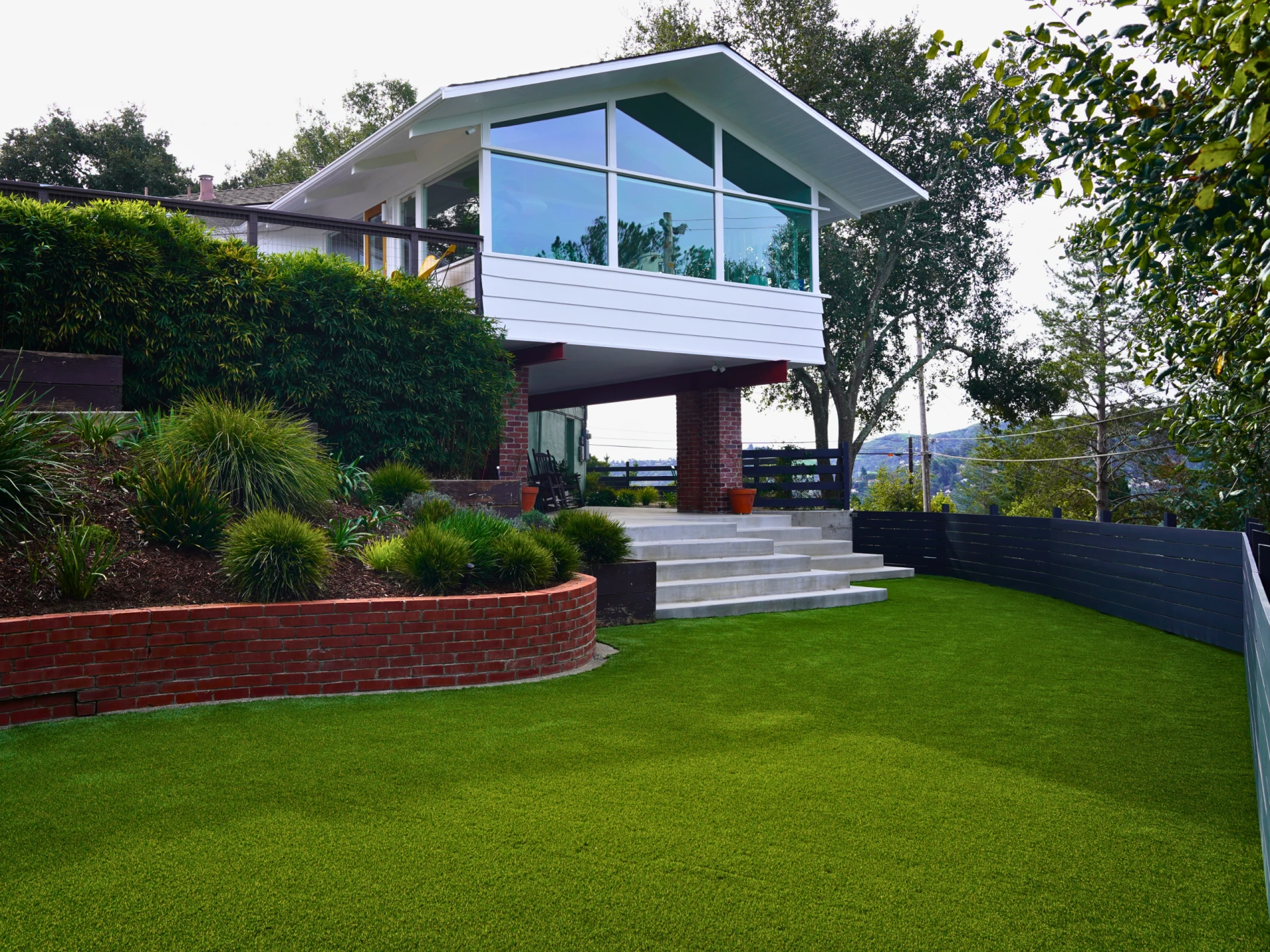

Artificial grass is often sold as a set-it-and-forget-it solution. And while it’s definitely lower maintenance than natural lawns, it isn’t maintenance-free. The truth is, what you do after artificial grass installation plays a huge role in how long it lasts and how real it continues to look.
The good news? Proper upkeep is simple, predictable, and far less time-consuming than mowing or watering real grass. Here’s how to maintain artificial grass the right way—without overthinking it.
1. Start With the Right Expectations
After artificial grass installation, your lawn won’t magically take care of itself forever. Dust settles. Leaves fall. Foot traffic happens. Over time, the turf fibers can flatten or debris can build up if nothing is done.
Maintenance isn’t about fixing problems—it’s about preventing small issues from becoming visible ones.
Think of it like maintaining hardwood floors: occasional attention keeps everything looking new.
2. Remove Debris Regularly
Leaves, twigs, dirt, and wind-blown trash are the most common things that end up on artificial grass. If left too long, they can compact into the turf and affect drainage.
What works best:
- A leaf blower for quick cleanups
- A plastic rake or soft broom for larger debris
- Hand removal for corners and edges
Avoid metal rakes—they can damage turf fibers.
A light cleanup once a week (or after storms) is usually enough.
3. Brush the Turf to Keep Fibers Upright
One of the biggest giveaways of neglected artificial grass is flattened blades. High-traffic areas—walkways, play zones, seating areas—are especially prone to this.
Brushing helps:
- Lift flattened fibers
- Redistribute infill
- Restore a natural look
Use a stiff nylon brush or a power broom designed for artificial turf. Always brush against the grain, not with it.
How often?
- Light traffic: once a month
- Heavy traffic or pets: every 1–2 weeks
This single habit dramatically improves how your lawn looks long-term.
4. Rinse Occasionally (Especially in Dry Climates)
Dust and pollen build up slowly, especially after artificial grass installation in dry or windy regions. A quick rinse keeps the turf fresh and prevents residue from settling.
You don’t need much water—just a garden hose on a gentle setting.
Rinsing is especially helpful if you:
- Live in a dusty area
- Have pets
- Notice lingering odors
Once or twice a month is usually plenty.
5. Manage Pet Waste Properly
Artificial grass is pet-friendly, but pet waste needs prompt attention to avoid smells and bacteria buildup.
Best practices:
- Pick up solid waste as soon as possible
- Rinse urine spots with water
- Use turf-safe enzyme cleaners if odors appear
After artificial grass installation in Livermore, pet owners should pay extra attention during the first few months to make sure drainage and airflow are working properly.
If your turf was installed correctly, odors shouldn’t linger—but ignoring cleanup can create problems over time.
6. Check Edges and Seams Periodically
Most artificial grass issues start at the edges—not the center.
Every few months:
- Walk the perimeter
- Check seams for separation
- Look for lifting corners
Catching these early makes repairs easy. Left alone, small edge issues can grow into visible flaws.
This step is especially important in the first year after artificial grass installation, when the base and materials are still settling.
7. Keep Heat and Sharp Objects Away
Artificial grass is durable—but not indestructible.
Avoid:
- Placing hot grills directly on turf
- Fire pits without proper protection
- Dragging heavy furniture
- Dropping sharp tools
Heat can melt fibers, and cuts are hard to hide once they happen. Using mats or pavers in high-risk areas goes a long way.
8. Don’t Skip Infill Maintenance
Infill helps turf blades stand upright and supports drainage. Over time, it can shift or compact.
Signs infill needs attention:
- Flattened grass that brushing doesn’t fix
- Hard or uneven spots
- Reduced drainage
Lightly brushing and topping off infill (when needed) helps maintain performance long after artificial grass installation.
Final Thoughts
Artificial grass rewards consistency, not effort. A little attention spread out over time keeps it looking natural, clean, and comfortable for years.
If there’s one takeaway, it’s this:
Most artificial grass problems aren’t caused by bad products—they’re caused by neglect after installation.
Maintain it lightly. Check it occasionally. And your lawn will keep doing what you installed it for in the first place: saving time while looking good.
























Sign in to leave a comment.