

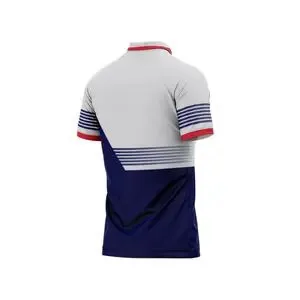
Polo shirts remain one of the most versatile garments in the apparel industry. They combine casual comfort with a polished appearance, making them suitable for sports, corporate wear, school uniforms, and street fashion. However, maintaining fabric stability in polo shirts is one of the biggest challenges manufacturers face during production.
Fabric stability refers to the ability of a textile to maintain its original shape, size, structure, and appearance after repeated washing, stretching, and daily wear. Poor fabric stability can lead to shrinking, twisting, fading, collar deformation, and seam distortion. These issues reduce product quality and negatively affect customer satisfaction.
To meet modern market expectations, manufacturers must apply advanced techniques throughout the entire production process. Many polo shirts manufacturers pakistan focus heavily on fabric engineering and quality control to ensure long-lasting garment performance in competitive global markets.
Understanding Fabric Stability in Polo Shirts
Fabric stability is influenced by several factors, including fiber composition, knitting structure, dyeing methods, finishing treatments, and garment construction techniques.
Polo shirts are commonly made using knitted fabrics such as:
- Pique knit
- Jersey knit
- Interlock knit
Because knitted fabrics naturally stretch more than woven fabrics, they are more vulnerable to shape distortion if not properly stabilized during manufacturing.
A stable polo shirt should:
- Maintain its original size after washing
- Keep the collar shape intact
- Resist twisting at side seams
- Retain smooth fabric appearance
- Prevent excessive shrinkage
- Offer a consistent fit over time
Achieving these qualities requires careful attention during every production stage.
Selecting High-Quality Fibers
Fabric stability begins with fiber selection. The quality and type of yarn directly affect how the fabric behaves during washing and wear.
Cotton remains one of the most popular materials for polo shirts because of its softness and breathability. However, untreated cotton can shrink significantly if not processed correctly.
Manufacturers often use:
- Combed cotton for a smoother texture
- Ring-spun cotton for a stronger yarn structure
- Cotton-polyester blends for better dimensional stability
- Elastane blends for controlled stretch recovery
Blended fabrics help reduce shrinkage and improve durability while maintaining comfort.
Many apparel manufacturers carefully choose fiber combinations that balance softness, flexibility, and structural stability for long-term garment performance.
Importance of Proper Knitting Techniques
The knitting structure plays a major role in fabric stability. Poor knitting tension can create uneven fabric behavior, resulting in distortion after washing.
Pique knit fabrics are especially common in polo shirts because they provide texture, breathability, and durability. However, the knitting density must be carefully controlled.
Manufacturers monitor:
- Stitch consistency
- Loop formation
- Fabric GSM (grams per square meter)
- Tension balance during knitting
Proper knitting ensures the fabric maintains a uniform structure throughout the garment.
Advanced machinery and computerized knitting systems allow manufacturers to produce fabrics with better dimensional consistency and reduced defects.
Controlling Shrinkage Through Pre-Treatment
Shrinkage is one of the most common problems in polo shirts. Without proper pre-treatment, fabrics may lose their original size after the first wash.
To maintain stability, manufacturers use several shrinkage-control processes, including:
- Compacting
- Pre-shrinking
- Heat setting
- Relaxation treatments
Compacting is particularly effective for knitted fabrics because it compresses the material mechanically, reducing future shrinkage.
Pre-treatment processes allow the fabric to relax before cutting and sewing, helping stabilize the textile structure.
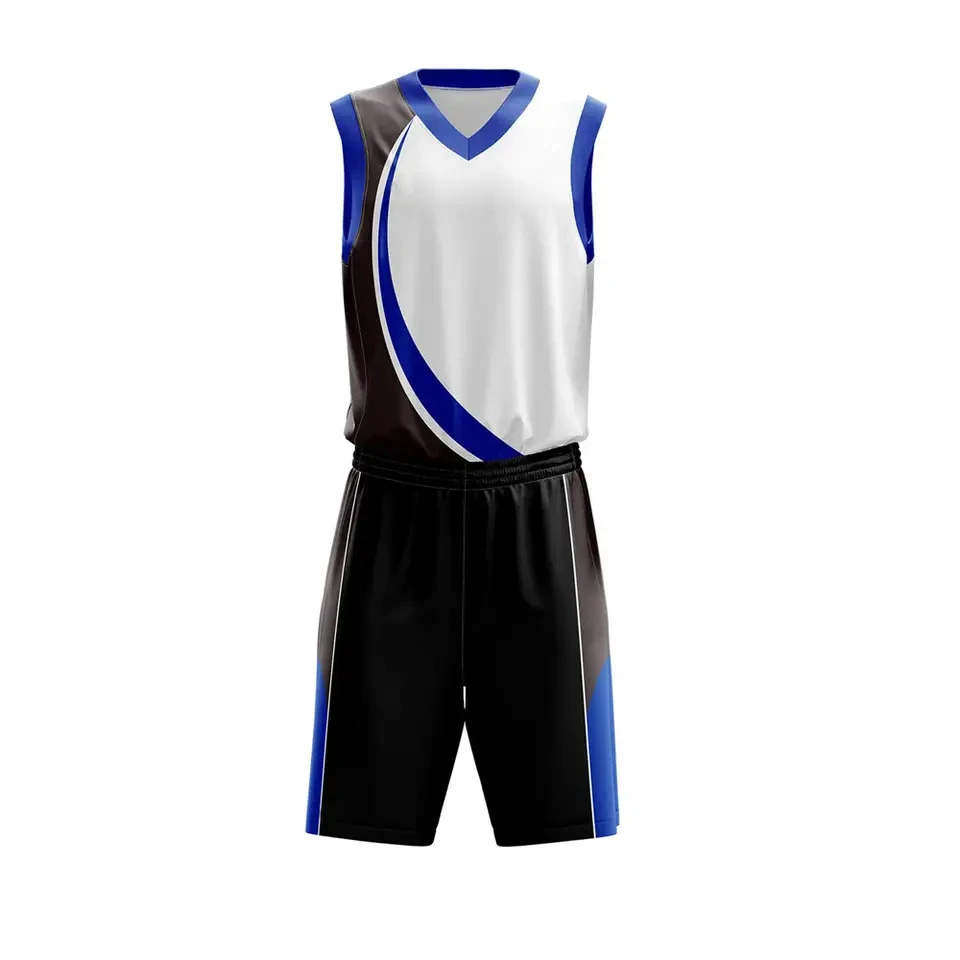
Many businesses involved in sportswear garment manufacturing prioritize shrinkage control because performance garments must maintain accurate sizing after repeated use.
Fabric Dyeing and Stability
Dyeing methods also affect fabric stability. Excessive heat, improper chemical usage, or uneven dye penetration can weaken fibers and distort fabric structure.
Reactive dyeing is commonly used for cotton polo shirts because it provides:
- Strong color fastness
- Better wash durability
- Softer fabric feel
However, proper process control is essential during dyeing and drying stages.
Manufacturers carefully monitor:
- Water temperature
- Chemical concentration
- Drying tension
- Fabric relaxation time
These controls help preserve the fabric’s natural elasticity and structural integrity.
High-quality dyeing processes also prevent uneven shrinkage and maintain the garment’s visual appeal.
Maintaining Collar Stability
The collar is one of the most noticeable parts of a polo shirt. If the collar curls, stretches, or loses shape, the garment appears low quality.
Collar stability depends on:
- Rib knit structure
- Yarn strength
- Interlining support
- Stitching precision
Manufacturers often use reinforced rib materials and carefully engineered collar construction techniques to maintain shape retention.
Heat-setting methods are also used to stabilize collars and cuffs after production.
Premium polo shirts maintain a crisp collar appearance even after multiple washes, which significantly improves customer perception of quality.
The Role of Stitching and Seam Construction
Improper stitching can cause seam twisting, puckering, or fabric distortion. Stable garment construction requires precision sewing and balanced tension.
Key areas requiring attention include:
- Shoulder seams
- Side seams
- Sleeve attachments
- Placket construction
Flat and reinforced seams help distribute tension evenly across the garment, reducing stress during movement and washing.
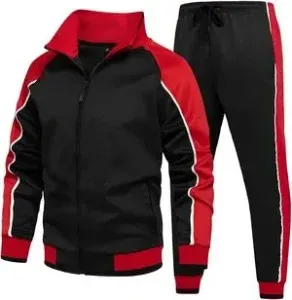
Manufacturers involved in active wear manufacturers production often apply advanced seam engineering techniques because athletic garments face higher levels of stretching and friction.
Consistent stitching not only improves durability but also enhances overall garment appearance.
Importance of Fabric Relaxation Before Cutting
Fabric relaxation is a critical step that many low-quality manufacturers overlook. Knitted fabrics can retain tension after dyeing and finishing, causing distortion after cutting.
Allowing fabric rolls to relax before cutting helps the material return to its natural state. This reduces the risk of:
- Uneven panel sizes
- Garment twisting
- Measurement inconsistencies
Relaxation periods may vary depending on fabric composition and environmental conditions.
Proper relaxation improves cutting accuracy and ensures better size consistency across bulk production orders.
Heat Setting for Dimensional Stability
Heat setting is another effective technique used to maintain fabric stability, especially in blended fabrics containing synthetic fibers.
Controlled heat application stabilizes the fabric structure and improves resistance to shrinkage and deformation.
Benefits of heat setting include:
- Better shape retention
- Reduced fabric movement
- Improved wrinkle resistance
- Enhanced garment durability
Heat-setting temperatures must be carefully controlled because excessive heat can damage fibers and reduce fabric softness.
Professional manufacturing facilities use automated heat-setting equipment for consistent results.
Quality Control During Production
Maintaining fabric stability requires continuous quality inspection throughout the production process.
Manufacturers typically test for:
- Shrinkage percentage
- Fabric skewing
- Color fastness
- Seam strength
- Dimensional consistency
Wash testing is especially important because it reveals how the garment behaves after repeated laundering.
Reliable streetwear manufacturer in Pakistan often conducts multiple inspection stages to ensure polo shirts meet international quality standards before shipment.
Strong quality control systems help reduce returns, improve customer satisfaction, and strengthen brand reputation.
Moisture and Environmental Considerations
Environmental conditions inside production facilities can affect fabric stability. Excess humidity or improper storage conditions may distort knitted fabrics before garment assembly.
Manufacturers maintain controlled conditions to protect fabric quality during:
- Storage
- Cutting
- Sewing
- Finishing
Proper fabric handling prevents stretching and maintains panel alignment during production.
Climate-controlled manufacturing environments are increasingly important for maintaining consistent garment quality in large-scale production.
The Growing Demand for Stable Performance Fabrics
Consumers today expect polo shirts to maintain their appearance even after frequent washing and regular use. This demand has increased the importance of technical fabric engineering in modern apparel manufacturing.
Performance-focused polo shirts now include features such as:
- Moisture management
- Stretch recovery
- Anti-pilling finishes
- Wrinkle resistance
- UV protection
Maintaining stability while adding these performance features requires advanced textile expertise.
Many global brands collaborate with experienced apparel manufacturers to develop premium polo shirts that combine comfort, durability, and long-term shape retention.

Sustainability and Long-Lasting Apparel
Fabric stability also supports sustainability in fashion. Garments that maintain their quality over time reduce the need for frequent replacement, lowering overall textile waste.
Consumers increasingly prefer durable apparel that delivers long-term value rather than fast-fashion products with short lifespans.
Manufacturers focusing on durable construction and stable fabric performance contribute to more responsible apparel production practices.
This shift toward quality-driven manufacturing is influencing both fashion and performance apparel markets worldwide.





















Sign in to leave a comment.