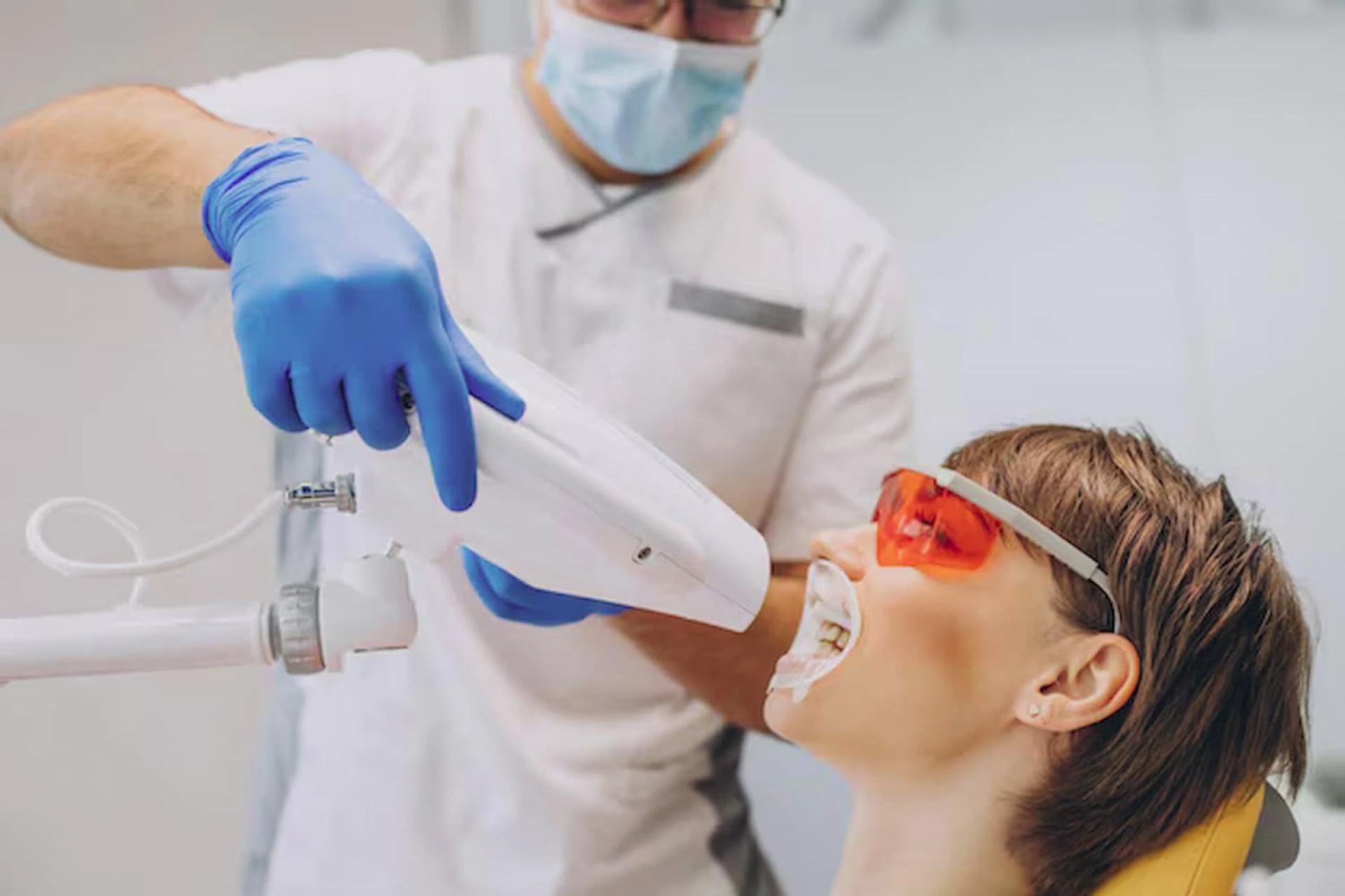

A bright, radiant smile can have a significant impact on confidence and appearance. Teeth whitening is a popular cosmetic dental procedure that removes stains and enhances the natural color of teeth. While professional whitening provides excellent results, maintaining those results requires proper care and attention. Understanding the steps and strategies for long lasting effects ensures that teeth remain bright and healthy over time.
Maintaining the results after teeth whitening involves a combination of oral hygiene practices, lifestyle adjustments, and regular dental care. With proper habits, patients can extend the effects of whitening and enjoy a long lasting smile.
Understanding Teeth Whitening
Before exploring maintenance strategies, it is important to understand how teeth whitening works.
How Whitening Works
Teeth whitening treatments use bleaching agents to break down stains on the enamel and sometimes the dentin layer beneath. Professional procedures are designed to produce uniform results with minimal sensitivity.
Types of Teeth Whitening
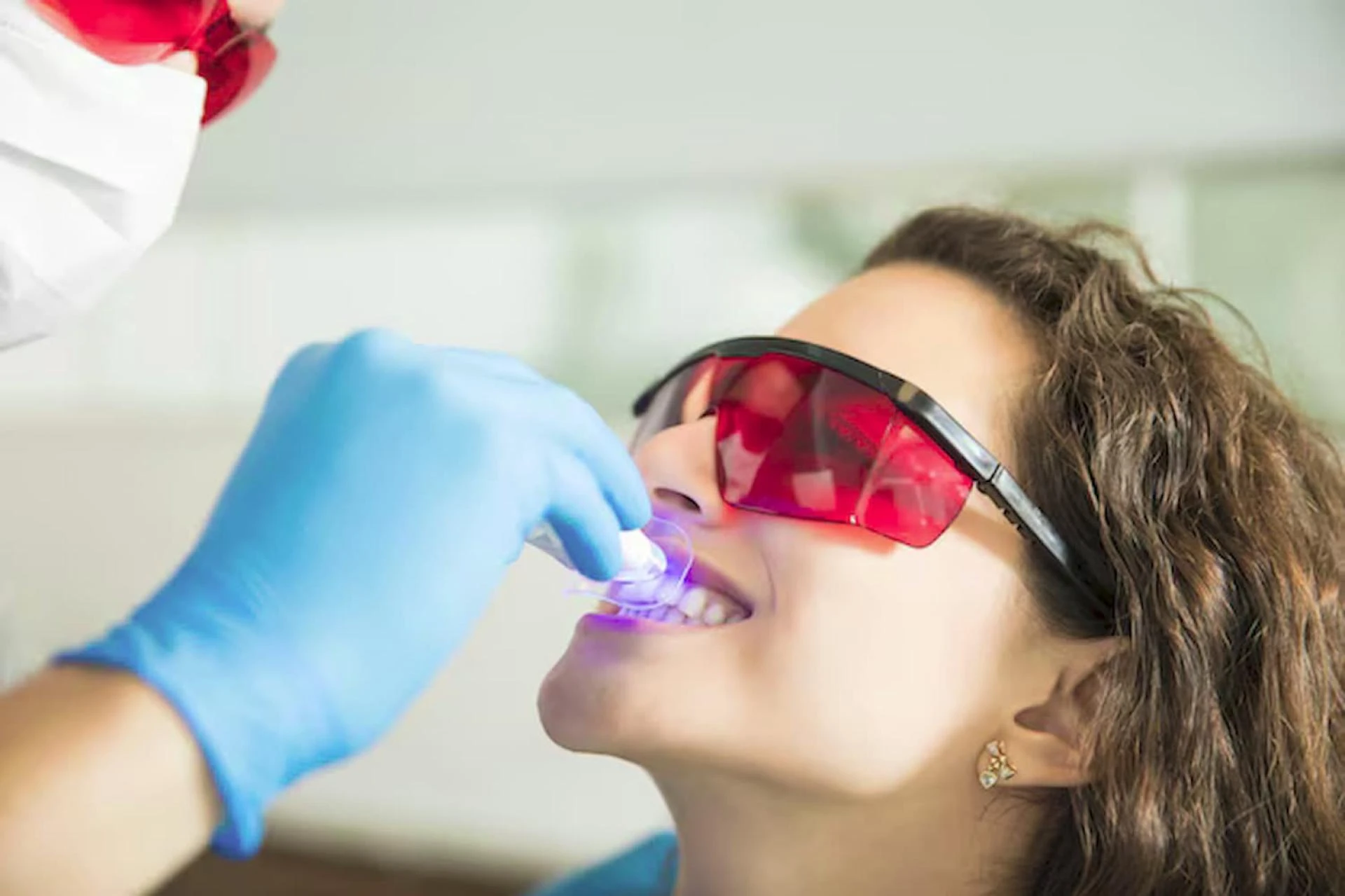
There are several approaches to whitening teeth, including in office treatments, professional take home kits, and over the counter products. In office treatments provide rapid results, while at home options allow gradual improvement and touch ups.
Factors Affecting Whitening Longevity
The durability of whitening results depends on individual habits, diet, oral hygiene, and lifestyle choices. Staining substances, enamel thickness, and natural aging can influence how long teeth remain bright.
Daily Oral Hygiene Practices
Consistent oral hygiene is the foundation for maintaining whitening results.
Brushing Techniques
Brushing teeth at least twice daily with a fluoride toothpaste helps remove plaque and surface stains. Using a soft bristled toothbrush and gentle circular motions prevents enamel erosion while cleaning effectively.
Flossing
Daily flossing removes food particles and plaque between teeth that brushing cannot reach. This reduces the chance of new discoloration forming in areas that are difficult to clean.
Mouthwash
Antibacterial or whitening mouth rinses help minimize bacteria buildup and enhance overall oral hygiene. Rinsing after meals also reduces staining from food and drinks.
Dietary Considerations
Certain foods and beverages are known to stain teeth and can reduce the longevity of whitening results.
Limiting Staining Foods and Drinks
Coffee, tea, red wine, dark sodas, and richly colored sauces can contribute to discoloration. Reducing consumption or using a straw for beverages helps minimize contact with teeth.
Rinsing After Meals
Rinsing the mouth with water after consuming staining foods or drinks can help prevent new stains from settling on enamel.
Choosing Tooth Friendly Snacks
Fruits, vegetables, and dairy products not only provide nutrients for oral health but also stimulate saliva production, which naturally helps clean teeth.
Avoiding Tobacco Products
Smoking or chewing tobacco significantly contributes to yellowing and staining of teeth. Avoiding these products helps maintain whitening results and improves overall oral health.
Professional Maintenance
Regular dental visits play a critical role in extending the effects of whitening treatments.
Routine Dental Checkups
Professional exams allow the dentist to monitor the condition of teeth and address any issues that may affect whitening results. Early detection of cavities, tartar buildup, or gum disease prevents complications.
Professional Cleanings
Dental cleanings remove surface stains and plaque that accumulate over time, helping maintain brightness. Many patients combine professional cleanings with touch up whitening treatments for optimal results.
Periodic Touch Ups
For individuals who experience gradual discoloration, touch up treatments using professional take home kits or in office procedures help restore the original brightness of teeth.
Managing Tooth Sensitivity
Some patients experience mild sensitivity after whitening, which can affect maintenance efforts.
Desensitizing Toothpaste
Using toothpaste formulated for sensitive teeth reduces discomfort during brushing and helps preserve enamel.
Avoiding Extreme Temperatures
Minimizing consumption of very hot or cold foods and beverages reduces sensitivity and protects enamel.
Gradual Whitening
At home whitening kits can be used periodically to gradually maintain brightness without causing excessive sensitivity.
Lifestyle Adjustments for Long Lasting Results
In addition to hygiene and professional care, lifestyle choices play a significant role in preserving a bright smile.
Hydration
Drinking plenty of water helps wash away staining substances and supports saliva production, which naturally cleans teeth.
Balanced Diet
A diet rich in calcium, vitamin D, and phosphorus supports strong teeth and enamel, making whitening results more durable.
Avoiding Abrasive Cleaning Methods
Using hard bristled brushes, abrasive toothpaste, or harsh chemicals can damage enamel and cause teeth to appear dull. Gentle care is essential.
Mindful Eating Habits
Chewing slowly, rinsing after meals, and maintaining a regular oral hygiene routine reduces the risk of new stains forming.
Recognizing When Whitening Results Are Fading
Despite careful maintenance, whitening results may gradually fade over time.
Signs of Discoloration
Yellowing, dullness, or uneven coloration indicates that touch up treatments or professional cleanings may be needed.
Monitoring Progress
Regular observation of teeth color allows patients to take action early before noticeable staining develops.
Consultation With a Dentist
Consulting a professional ensures that the appropriate method is used to restore brightness safely and effectively.
Benefits of Maintaining Whitening Results
Proper maintenance extends the benefits of whitening beyond appearance.
Enhanced Confidence
A consistently bright smile improves self esteem and makes a positive impression in social and professional settings.
Improved Oral Health
Regular care and hygiene practices protect enamel, prevent cavities, and support gum health.
Long Term Cost Savings
Maintaining whitening results reduces the frequency of professional treatments, lowering overall costs associated with cosmetic dental care.
Aesthetic Longevity
Consistent maintenance ensures that teeth remain bright, uniform, and visually appealing for years.
Conclusion
Maintaining results after teeth whitening requires a combination of daily oral hygiene, dietary management, professional care, and lifestyle adjustments. Brushing, flossing, rinsing, limiting staining substances, and avoiding tobacco all contribute to long lasting brightness. Regular dental checkups, professional cleanings, and touch up treatments further support sustained results.
By adopting these strategies, patients can enjoy a radiant, confident smile over the long term. For personalized guidance and professional whitening maintenance, GlensideDental provides comprehensive teeth whitening services and expert advice to ensure long lasting and healthy results.



























Sign in to leave a comment.