Home is more than just a place where we sleep and store our belongings.
rIt's a sanctuary, a refuge, and the setting for many of our most cherished memories. It's where we find comfort and safety, express our individuality, and spend quality time with our loved ones.rrConsequently, our home environment significantly impacts our mood, stress levels, and overall well-being. Here are eleven proven tips to help you create a happier and more harmonious home.r
Let in the Light
rNatural light plays an essential role in our well-being. Exposure to sunlight increases the brain's release of serotonin, a hormone associated with boosting mood and helping a person feel calm and focused. Wherever possible, allow natural light to flood into your home. Keep your windows clean, use light and airy window treatments, and place mirrors strategically to reflect light into darker corners.rrIf your home lacks natural light, you can still create a bright and cheerful space. Consider painting your walls in light, neutral colors, using artificial lights that mimic natural light, and choosing reflective surfaces for your furniture and decor.r
Designate an Outdoor Relaxation Spot
rOne of the many joys of owning a home is having outdoor space where you can relax, unwind, and enjoy the fresh air. Whether you have a large backyard, a small patio, or even a balcony, designating a spot for outdoor relaxation can significantly enhance your home's happiness quotient.rrConsider adding comfortable seating, shade for hot days, and a small table for drinks or books. If space allows, a
hammock for kids can be an excellent addition. There's something uniquely soothing about gently swaying in a hammock, cocooned in your own little oasis, with a good book or simply the sounds of nature for company. If you don't have trees to hang a hammock, there are plenty of freestanding options available that could work perfectly in your space.r
Bring Nature Inside
rStudies show that interacting with nature can reduce stress, improve mood, and enhance mental well-being. While spending time outdoors is beneficial, you can also reap these benefits by bringing nature into your home.rrIndoor plants not only improve air quality but also create a calming and welcoming atmosphere. Choose plants that are suitable for your home's light conditions and your lifestyle. If you're not a green thumb, consider low-maintenance plants like snake plants, pothos, or succulents.rrIn addition to plants, other natural elements like wood, stone, and natural fibers can create a warm and serene environment.r
Create a Dedicated Relaxation Space
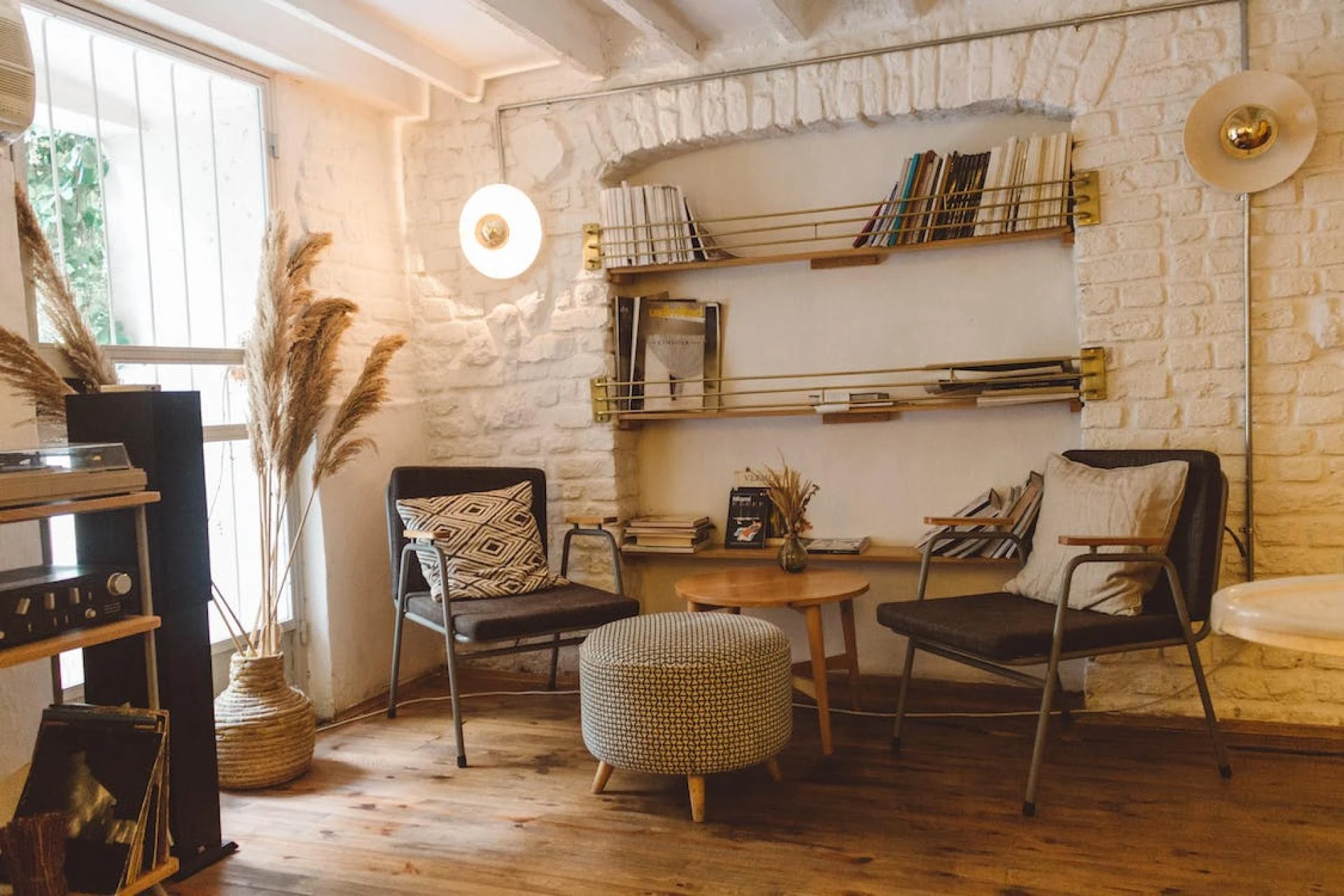
rIn today's fast-paced world, having a space to relax and unwind is crucial. This doesn't necessarily mean you need a large or luxurious space. Even a cozy corner with a comfortable chair, good lighting, and a place to keep a book or a cup of tea can serve as your relaxation zone.rrThis space should be a screen-free area where you can disconnect from digital devices and engage in activities that relax and rejuvenate you, such as reading, meditating, or practicing yoga.r
Declutter and Organize
rClutter can contribute to stress, anxiety, and even depression. Moreover, living in a disorganized home can make daily tasks more challenging and time-consuming. On the other hand, a tidy and organized home can bring a sense of calm and control.rrStart by decluttering your space. Discard, donate, or sell items that you no longer need or love. Then, organize your belongings in a way that makes sense to you. Use storage solutions that match your decor and keep your items easily accessible yet out of sight. Remember, an organized home is easier to clean and maintain, leaving more time for activities that bring you joy.r
Personalise Your Space
rYour home should be a reflection of who you are and what you love. Personalizing your space can make it feel more comfortable and welcoming. This could mean displaying family photos, collections, or items that hold special meaning. It could also mean painting your walls in your favorite colors, choosing a decor style that resonates with you, or incorporating elements from your culture or travels.rrHowever, be mindful not to overcrowd your space. The key is to find a balance between making your home feel personal and keeping it clutter-free.r
Prioritize Comfort
rWhile aesthetics are important, your home should first and foremost be comfortable. Invest in quality furniture that provides good support, choose fabrics that feel good against your skin, and ensure your home has adequate heating, cooling, and ventilation.rrDon't forget about noise levels too. If you live in a busy area, consider soundproofing solutions like thick curtains, rugs, or wall hangings. Soft furnishings and materials can also help absorb noise and create a quieter, more peaceful environment.r
Optimize Your Bedroom for Sleep
rSleep plays a crucial role in our physical and mental health. Therefore, your bedroom should promote relaxation and restful sleep. Start by investing in a good quality mattress, pillows, and bedding. Keep your bedroom cool, quiet, and dark. Consider using blackout curtains or an eye mask to block out light and a white noise machine or earplugs to drown out noise.rrAvoid keeping a television or work-related items in your bedroom. The presence of these items can make it harder to switch off and relax. Lastly, keep your bedroom tidy and clutter-free to create a serene and inviting space.r
Create Spaces for Connection
rWhile it's important to have personal space, our homes should also facilitate connection with our loved ones. Creating spaces that encourage interaction can strengthen relationships and contribute to a happier home.rrThis could be a dining area where your family gathers for meals, a cozy living room for movie nights, or a game room for fun and laughter. Even small spaces can be optimized for connection. For example, a small balcony could be transformed into a cozy coffee nook for two, or an empty corner could become a reading nook where you and your kids can read together.r
Infuse Your Home with Pleasant Scents
rScents can significantly impact our mood and emotions. Infusing your home with scents you love can evoke positive feelings and memories. There are several ways to make your home smell good, such as scented candles, diffusers, essential oils, or indoor plants like jasmine or lavender.rrHowever, it's equally important to maintain a clean and fresh-smelling home. Regular cleaning, good ventilation, and addressing sources of bad odor (like garbage or dirty laundry) are fundamental.r
Incorporate Music into Your Home
rMusic has a profound effect on our emotions and mood. It can energize us, soothe us, uplift us, and even help us concentrate. As such, incorporating music into your home can significantly contribute to creating a happier environment.rrOne way to do this is by investing in a good quality sound system that allows you to enjoy your favourite tunes in any room. However, if you or a family member are musically inclined, having a musical instrument in the house can take this a step further. For instance, a
digital piano can not only serve as a beautiful statement piece but also provide endless entertainment and joy. Playing an instrument has been shown to relieve stress, enhance cognitive abilities, and foster a sense of achievement. Whether you're a seasoned player or a beginner, playing a few notes on the piano can bring an element of harmony and joy into your home.r
Maintain a Healthy Indoor Environment
rA healthy home is a happy home. Indoor air quality can be two to five times worse than outdoor air quality, according to the Environmental Protection Agency. Therefore, it's essential to maintain a healthy indoor environment.rrEnsure your home is well-ventilated, use non-toxic cleaning products, and address any moisture or mold issues promptly. Also, regular maintenance of your heating, ventilation, and air conditioning (HVAC) system is crucial for maintaining good indoor air quality.r
Create a Welcoming Entryway
rThe entryway is the first space you see when you come home, and a welcoming entryway can set a positive tone for the rest of the house. Keep this area clean, organized, and clutter-free. Add elements like a small rug, a mirror, or a piece of artwork to make it feel inviting. Having a place to put keys, mail, or shoes can make your daily routines smoother and prevent clutter from accumulating.r
Conclusion
rCreating a happier home doesn't necessarily require major renovations or a large budget. With these eleven tips, you can create a home environment that promotes well-being, fosters connection, and brings joy. Whether you live in a small apartment or a spacious house, remember that the most important element of a happy home is the love, respect, and kindness that its inhabitants share.


 Nicole Lipman · 6 min

 johan vick · 8 min

 Maria Keenan · 4 min

 Quickinfohub · 8 min

 Lakecity Handicrafts · 8 min


 Family & Home
 Vivahnam Events · 6 min
 Family & Home
 CoCos Funhouse · 9 min
 Family & Home
 Technical Sewa · 7 min
 Family & Home
 Naya Savera Old Age Home · 9 min
 Family & Home
 Superior Lawn · 3 min
 Family & Home
 Piper Burch · 10 min
Sign in to leave a comment.