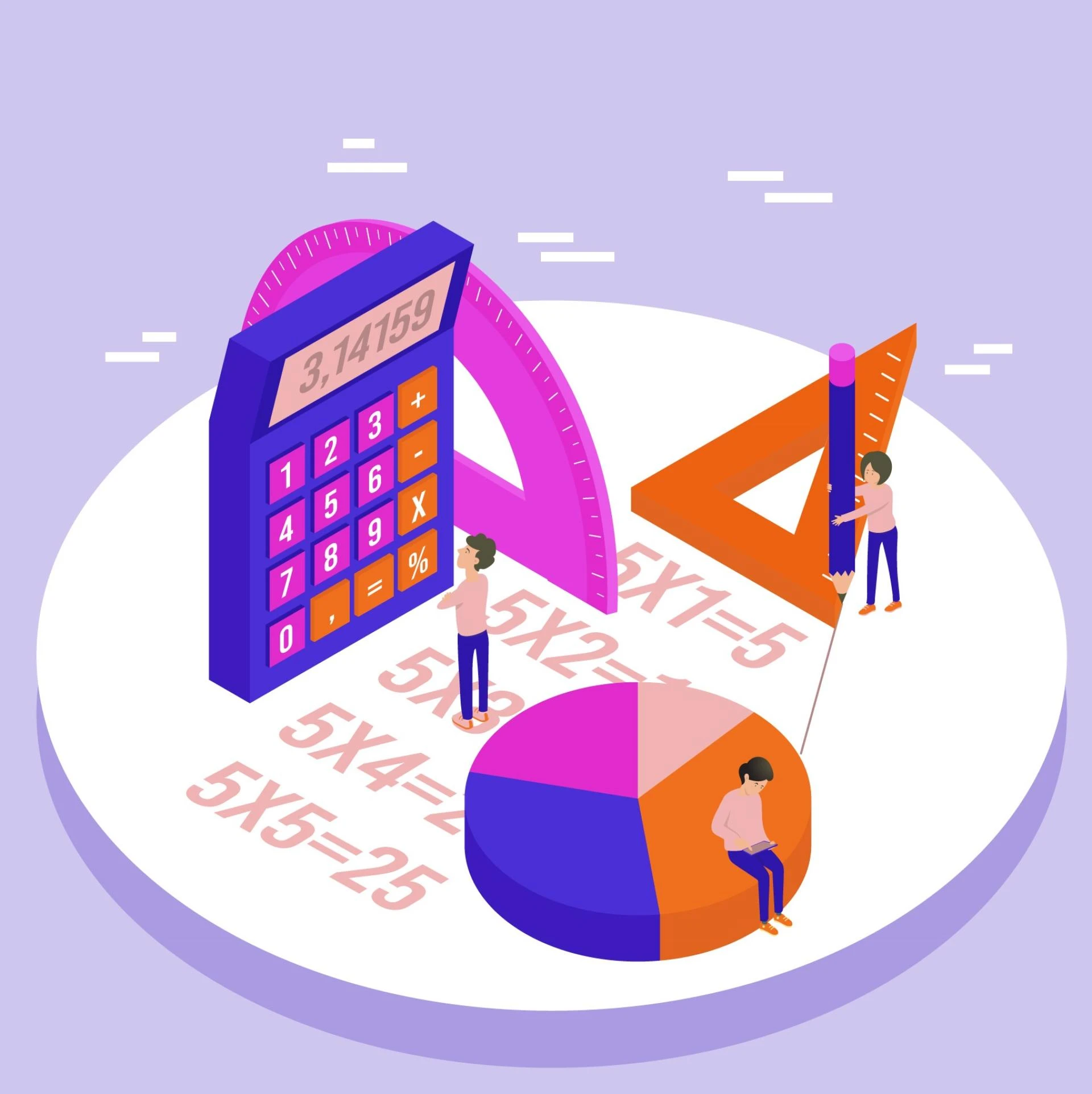

Early maths education sets the stage for lifelong learning. Introducing children to maths concepts in a fun and engaging way is crucial during their formative years. Making k2 math enjoyable and accessible helps children develop a positive attitude towards the subject, fostering curiosity and confidence. This approach not only builds a strong foundation for future academic success but also enhances critical thinking and problem-solving skills.
Firstly, utilizing real-life examples, then integrating games, subsequently encouraging hands-on learning, and finally incorporating maths into daily routines are effective strategies. Moreover, by creating an interactive and supportive environment, children can see the relevance of maths in their everyday lives. Consequently, these methods ensure that learning maths becomes a delightful and rewarding experience. Ultimately, a structured approach to teaching maths can make a significant difference in how children perceive and enjoy the subject, thus leading to a deeper understanding and appreciation of mathematics.
1. Use Real-Life Examples
Real-life examples indeed make maths relatable for children. Moreover, these examples show how maths applies to their world. Specifically, use everyday items to teach basic maths concepts.
Counting Objects: Ask children to count objects around the house. They can count fruits, toys, or books. This activity helps them understand numbers and quantities.Measuring Ingredients: Cooking is another excellent way to teach maths. When baking, children can measure ingredients. This teaches them about measurements and proportions.Shopping Fun: Turn shopping trips into a maths lesson. Children can help count items in the cart. They can also compare prices. This teaches them addition and subtraction.Setting the Table: Ask children to help set the table. They can count the number of plates, forks, and spoons needed. This activity teaches them about matching and counting.Specifically, by using real-life examples, children see the value of maths in everyday activities. Consequently, they learn while having fun.
2. Integrate Games and Activities
Games and activities undoubtedly make learning maths exciting. Consequently, they keep children engaged and motivated. Therefore, here are some ways to integrate games into maths learning:
Board Games: Games like "Monopoly" and "Chutes and Ladders" involve counting and strategy. These games help children practise maths skills while having fun.Card Games: Simple card games like "Go Fish" or "War" teach children about numbers and comparisons. These games are easy to learn and enjoyable.Online Math Games: Many websites offer interactive maths games. These games cover various maths concepts. They are engaging and can be played on computers or tablets.Maths Puzzles: Puzzles like Sudoku or logic games challenge children's problem-solving skills. These puzzles are fun and improve critical thinking.DIY Math Games: Create your own maths games at home. For example, you can make a number-matching game with cards. This activity is both creative and educational.Games and activities make maths learning fun. Children practise maths skills without feeling like they are studying.
3. Encourage Hands-On Learning
Fundamentally, hands-on learning involves using physical objects to teach k2 maths concepts. Consequently, this approach makes abstract ideas tangible. Therefore, here are some hands-on learning strategies:
Using Blocks: Blocks are versatile tools for teaching maths. Children can use them to build structures and count the blocks. They can also learn about shapes and patterns.Beads and Strings: Beads are great for teaching counting and patterns. Children can string beads to make bracelets or necklaces. This activity enhances their fine motor skills.Sorting Activities: Provide children with various objects to sort by size, colour, or shape. Sorting helps them understand categorization and comparison.Measuring Tools: Use rulers, measuring tapes, and scales to teach measurement. Children can measure objects around the house. This hands-on activity makes learning measurements fun.Maths Manipulatives: Math manipulatives like counters, abacuses, and number lines help children visualise maths concepts. They provide a concrete way to understand numbers and operations.Hands-on learning engages children. It helps them grasp maths concepts in a fun and interactive way.
4. Make Math a Part of Daily Routine
Incorporating maths into daily routines effectively reinforces learning. Moreover, it clearly shows children that maths is part of everyday life. Consequently, here are some ways to make maths a daily habit:
Morning Count: Start the day with a counting activity. Count steps from the bedroom to the kitchen. This simple exercise gets children thinking about numbers first thing in the morning.Calendar Maths: Use a calendar to teach days, weeks, and months. Children can mark important dates and count the days until an event. This activity teaches them about time and sequence.Meal Prep Math: Involve children in meal preparation. They can measure ingredients, set timers, and divide portions. This practical application of maths makes learning enjoyable.Shopping List: When making a shopping list, ask children to count the items needed. They can also help estimate the total cost. This activity teaches them about budgeting and estimation.Bedtime Math: Incorporate maths into bedtime routines. Read a maths-themed story or ask simple maths questions. This practice ends the day with a fun maths activity.Making maths a part of daily routines helps children see its relevance. It reinforces learning in a natural and enjoyable way.
5. Praise and Reward Effort
Praising and rewarding effort encourages children. Consequently, they feel motivated to continue learning. Therefore, it is important to acknowledge their hard work. Accordingly, here are some effective ways to praise and reward effort:
Verbal Praise: Simple words of encouragement go a long way. Phrases like "Great job!" or "You did it!" boost confidence. They make children feel proud of their accomplishments.Stickers and Stars: Children love stickers and stars. Create a reward chart. Add a sticker for every maths task completed. This visual representation of progress motivates children to keep going.Extra Playtime: Offer extra playtime as a reward. Children value playtime. They will work hard to earn it. This reward is effective and fun.Small Treats: Occasionally, offer small treats as rewards. These can be favourite snacks or a special activity. It is important to keep treats small and infrequent.Certificates of Achievement: Create certificates to celebrate milestones. These certificates can recognize progress and effort. They make children feel special and accomplished.Praising and rewarding effort makes children feel valued. It motivates them to continue learning and enjoying maths.
6. Use Visual Aids
Visual aids help children understand k2 maths concepts. They make learning more engaging. Visual tools are effective because they provide a concrete way to grasp abstract ideas. Here are some useful visual aids:
Charts and Graphs: Use charts to show patterns and relationships. Bar graphs, pie charts, and line graphs are useful. They help children visualise data.Number Lines: Number lines are great for teaching addition and subtraction. They provide a clear way to see how numbers relate to each other.Flashcards: Flashcards are simple but effective. Use them to practise numbers, shapes, and math facts. They are portable and can be used anywhere.Picture Books: Picture books with maths themes are engaging. They combine storytelling with maths concepts. These books make learning fun.Diagrams: Diagrams help explain complex ideas. Use them to show steps in a maths problem. They break down the process into manageable parts.Visual aids make maths more accessible. They help children understand and remember concepts better.
Conclusion
Firstly, making K2 maths fun and accessible is essential. Moreover, use praise and rewards to motivate children. Additionally, incorporate visual aids to enhance understanding. Furthermore, create a maths-friendly environment to support learning. Similarly, collaborate with teachers and parents for comprehensive support. Also, utilise storytelling to make maths engaging. Consequently, these strategies help children develop a love for maths. As a result, they build a strong foundation for future learning. Ultimately, enjoy the journey of making maths fun for your children.
Unlock your child's potential with Global Edu. Enrol now for engaging and comprehensive programs designed to make learning fun and effective. Visit https://globaledu.com.sg/ today and discover the path to academic excellence!
Contact us:
Name: Global Education Hub
Address: 1 Goldhill Plaza, #03-49 Singapore 308899
Call: +65 6259 0030










Sign in to leave a comment.