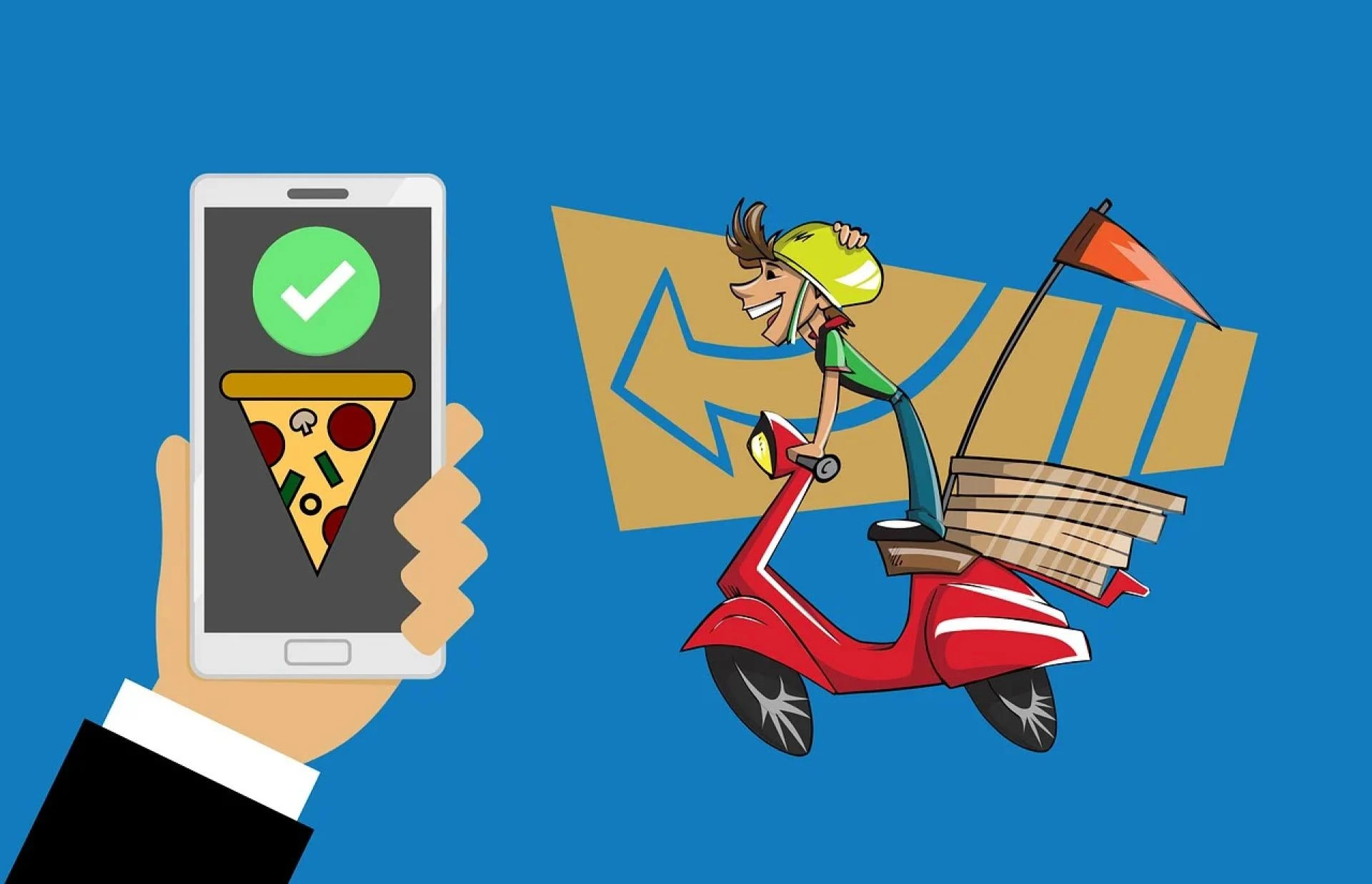

The food delivery industry has exploded over the past decade, transforming how we order and receive meals. From corner cafes to major restaurant chains, businesses are racing to establish their digital presence in this lucrative market. If you're considering launching your own delivery app, you're looking at a sector worth billions globally and showing no signs of slowing down.
Creating a delivery app might seem daunting, but it's more achievable than you think. Whether you're a restaurant owner wanting to reduce third-party commission fees or an entrepreneur spotting a gap in your local market, building your own platform can offer significant advantages. You'll have complete control over customer relationships, branding, and pricing while potentially saving thousands in ongoing fees.
This comprehensive guide will walk you through everything you need to know about creating your own delivery app. We'll cover the essential features, development options, costs, and strategies to help you make informed decisions for your business.
Why Build Your Own Delivery App?
The decision to make your own delivery app comes with compelling benefits that can transform your business operations. Most importantly, you'll own your customer data and relationships rather than sharing them with third-party platforms. This direct connection allows you to build loyalty programmes, send targeted marketing messages, and create personalised experiences that keep customers coming back.
Cost savings represent another significant advantage. Major delivery platforms typically charge restaurants between 15-30% commission per order. Over time, these fees can severely impact your profit margins. When you operate your own app, you eliminate these ongoing costs and redirect that money toward growing your business.
Brand control becomes crucial as your business scales. Third-party platforms often dilute your brand identity, making it harder to stand out from competitors. Your own app lets you showcase your unique personality, values, and offerings exactly as you envision them.
Essential Features for Your Delivery App
A successful delivery app requires three core components: a customer app, a restaurant/vendor panel, and a delivery driver app. Each serves a specific purpose in the delivery ecosystem.
Customer App Features
Your customer-facing app should prioritise ease of use and convenience. Users need intuitive navigation that helps them find restaurants and menu items quickly. A robust search function with filters for cuisine type, price range, and delivery time keeps customers engaged.
The ordering process must be seamless. Include features like saved payment methods, order history, and the ability to customise items. Real-time order tracking gives customers peace of mind and reduces support inquiries about delivery status.
Push notifications play a vital role in customer engagement. Send updates about order confirmations, preparation status, and delivery estimates. However, balance these notifications carefully to avoid overwhelming users.
Restaurant Management Panel
Restaurant owners need comprehensive tools to manage their operations efficiently. Menu management features should allow easy updates to items, prices, and availability. During busy periods or ingredient shortages, restaurants must quickly modify their offerings.
Order management systems help restaurants track incoming orders, preparation times, and delivery assignments. Analytics dashboards provide insights into popular items, peak ordering times, and customer feedback patterns.
Integration capabilities with existing POS systems can streamline operations significantly. This connection ensures inventory levels stay accurate and reduces manual data entry.
Delivery Driver App
Driver efficiency directly impacts customer satisfaction and operational costs. The driver app should include GPS navigation, optimised route planning, and clear delivery instructions. Real-time communication tools help drivers contact customers when needed.
Earnings tracking and payment management features help drivers monitor their income and expenses. Clear pickup and delivery protocols reduce confusion and improve service quality.
Development Approaches: Build vs. Buy
You have two main options when creating your delivery app: building from scratch or using a ready-made solution. Each approach has distinct advantages and considerations.
Custom Development
Building a custom app gives you complete control over features, design, and functionality. This approach works well if you have specific requirements that standard solutions can't meet. However, custom development typically requires 6-12 months and significant financial investment.
You'll need a skilled development team including iOS and Android developers, backend engineers, UI/UX designers, and project managers. The complexity increases when you consider ongoing maintenance, updates, and security patches.
Ready-Made Solutions
Platforms like Enatega offer pre-built delivery app solutions that can launch your business much faster. These systems come with essential features already developed and tested, reducing your time to market significantly.
Ready-made solutions often include customer apps, restaurant panels, and driver apps as complete packages. This approach typically costs less upfront and includes ongoing support and updates. You can customise branding, features, and workflows to match your business needs without starting from zero.
Planning Your App Launch Strategy
Successful app launches require careful planning and execution. Start by identifying your target market and understanding their ordering habits. Research local competitors to find gaps in service or features you can exploit.
Create a soft launch strategy with a limited number of restaurants and delivery areas. This approach helps you test systems, gather feedback, and refine processes before expanding. Partner with restaurants that already have strong local followings to build initial momentum.
Marketing your app requires a multi-channel approach. Social media campaigns, local advertising, and partnership promotions can drive initial downloads. Consider offering launch promotions like free delivery or discount codes to encourage first-time users.
Managing Operations and Growth
Once your app launches, focus on operational excellence to build a sustainable business. Customer service becomes crucial as you handle ordering issues, delivery problems, and payment disputes. Establish clear processes and response times to maintain satisfaction levels.
Driver recruitment and retention significantly impact service quality. Develop competitive compensation packages and provide proper training on app usage and customer service. Consider offering incentives during peak periods to ensure adequate coverage.
Monitor key performance indicators including order volumes, delivery times, customer ratings, and driver earnings. These metrics help identify areas for improvement and guide business decisions.
Costs and Revenue Models
Understanding the financial aspects helps you plan realistic budgets and timelines. Ready-made solutions typically cost between $5,000-$15,000 for basic packages, while custom development can range from $50,000-$200,000 depending on complexity.
Ongoing costs include hosting, payment processing, customer support, and marketing. Factor in driver payments, insurance, and legal compliance requirements for your region.
Revenue generation comes from multiple sources. Commission fees from restaurants typically range from 10-20%, depending on your market position. Delivery fees charged to customers provide additional income, while advertising opportunities from restaurants can supplement earnings.
Taking the Next Step
Making your own delivery app represents an exciting opportunity to build a sustainable business in the growing food delivery market. The key lies in choosing the right development approach for your timeline, budget, and technical requirements.
Ready-made solutions like Enatega offer the fastest path to market while maintaining professional quality and essential features. This approach lets you focus on business growth rather than technical challenges, helping you compete effectively with established players.
Start by evaluating your local market opportunities and defining your unique value proposition. Whether you choose custom development or a ready-made solution, success depends on understanding your customers, delivering excellent service, and continuously adapting to market changes.























Sign in to leave a comment.