
There is something particularly frustrating about unpacking ceramics and finding even the smallest crack. It does not matter whether it is a dinner set, decorative pottery, or handmade pieces — once chipped, the damage cannot be undone. Ceramics are solid but unforgiving. They do not bend under pressure. They break.
Packing them safely is not complicated, but it does require attention. Many breakages happen not because materials were missing, but because they were used carelessly or in the wrong order. A strong outer carton, proper cushioning, stable internal support — these details matter more than people think.
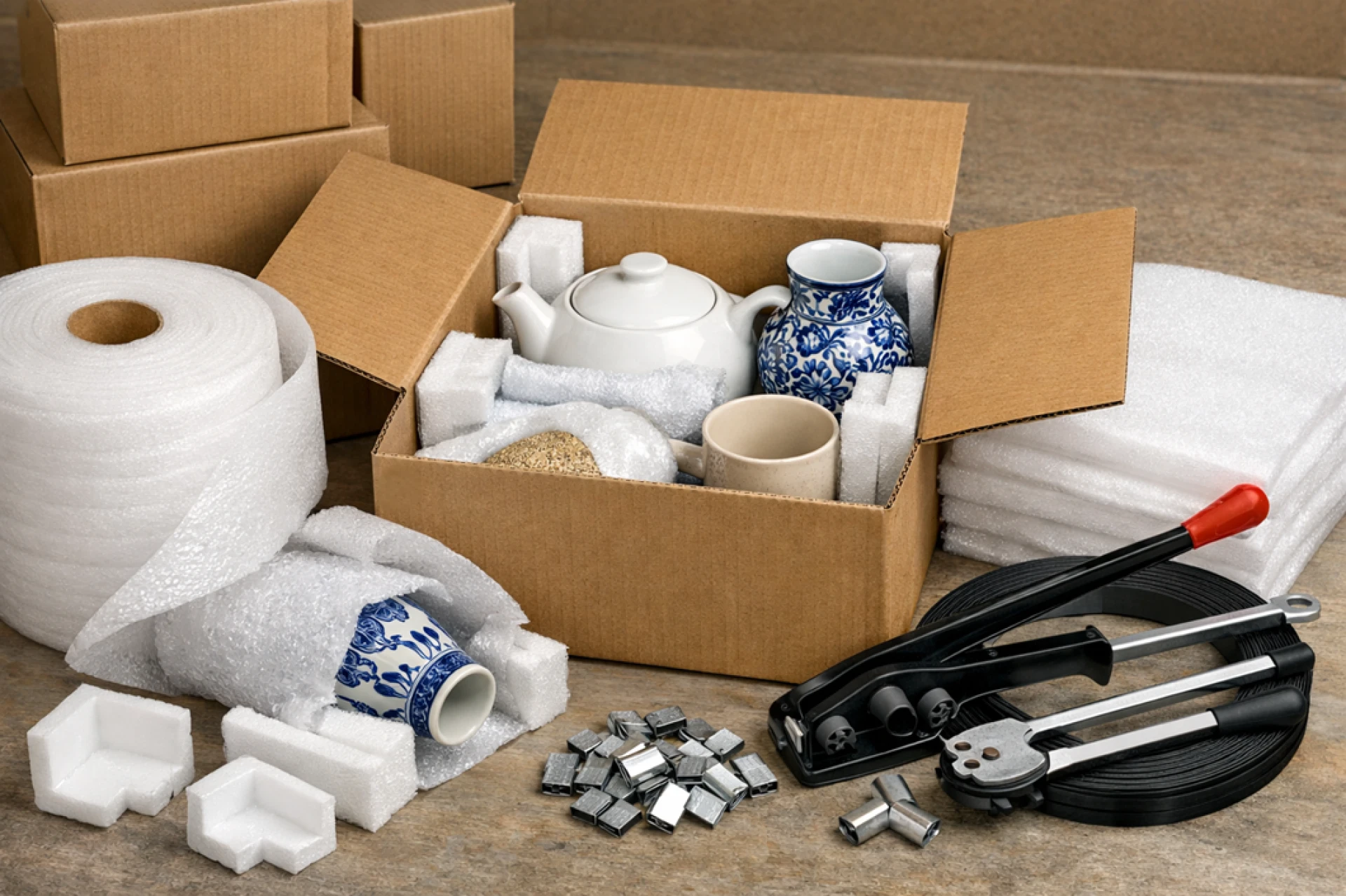
Using reliable materials such as foam wrap rolls, supportive cartons instead of flimsy, cheap storage boxes, reinforced edges with polystyrene corner protection, and steel strapping kits to secure heavier loads can dramatically reduce the risk of damage. The difference lies in how carefully everything is assembled.
Why Do Ceramics Crack So Easily During Transport?
Ceramics are rigid by nature. That rigidity gives them strength, but it also means they cannot absorb shock. When dropped or compressed, the force travels through the material instead of dispersing. The result is often a fracture.
Most damage happens in transit rather than during packing. Boxes are stacked, shifted, and sometimes dropped. Even small vibrations inside a moving vehicle can create stress if the contents are not stabilised.
Another overlooked issue is box quality. Thin, cheap storage boxes designed for general storage may not withstand stacking pressure. Underweight, they bow slightly, and that slight bend can transfer pressure directly to fragile contents.
Understanding this helps you pack with more care and fewer assumptions.

How Can You Pack Ceramics Properly Step by Step?
Wrap Each Item as If It Will Be Dropped
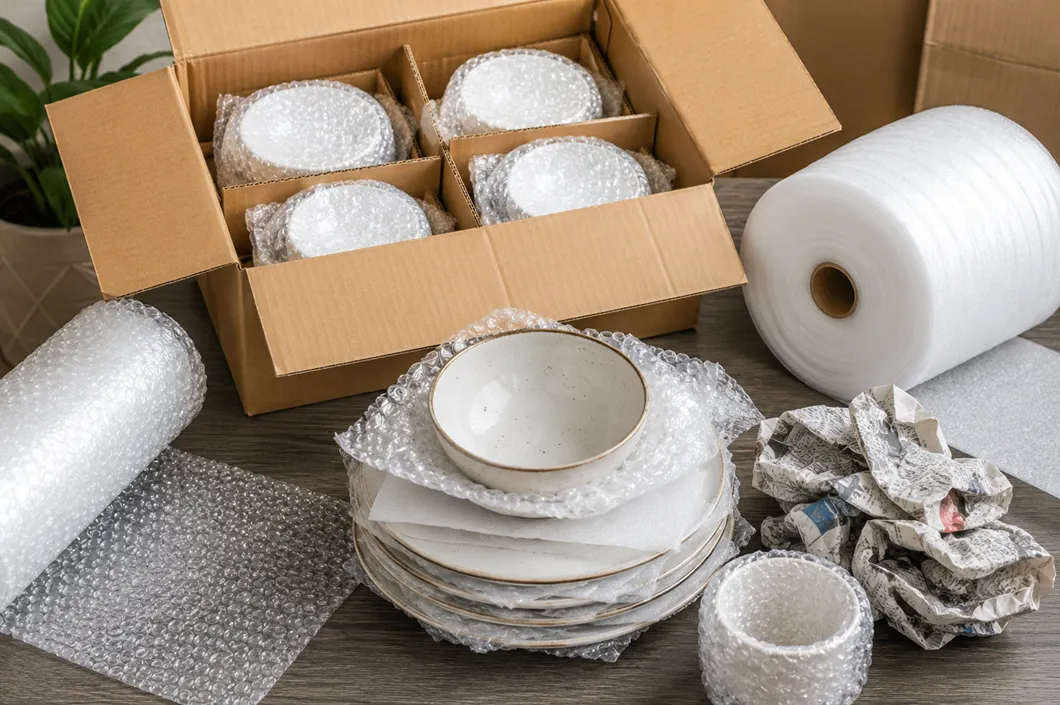
Every ceramic piece should be wrapped individually. Avoid stacking items without separation. Even slight contact between surfaces can cause chipping.
A thick, even layer of cushioning is essential. Foam wrap rolls are especially useful because they contour around edges and provide consistent padding. Bubble cushioning or soft packing sheets can also work, but complete coverage is required. Pay attention to handles, rims, and decorative protrusions. These are weak points.
If you are packing multiple items, keeping enough of these rolls on hand prevents rushed wrapping or thin layers that leave areas exposed.
Stabilise the Bottom of the Carton First
Before placing wrapped ceramics inside the box, cushion the bottom. A layer of padding creates a shock-absorbing base. Once the items are placed upright — plates vertically rather than flat, for example — fill the sides with void material.
There should be no empty pockets. Movement inside the carton is one of the most common causes of cracks. If you gently shake the box and feel shifting, add more fill. The goal is complete stability.
Reinforce the Corners and Edges
Corners are the first points of impact during handling. When a carton is dropped, it rarely lands perfectly flat. Edge reinforcement can make a noticeable difference.
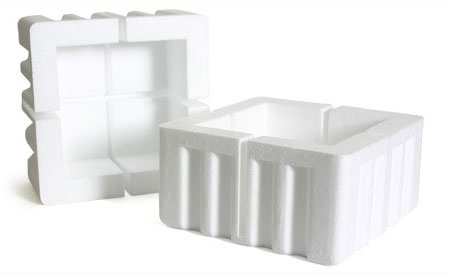
Polystyrene corner protection helps absorb impact at these stress points and prevents crushing. For larger or more delicate shipments, adding these protective supplies to multiple edges strengthens the outer structure.
It may feel like an extra step, but corner reinforcement is often what prevents visible cracks after rough transit.
Choose the Right Box and Secure It Firmly
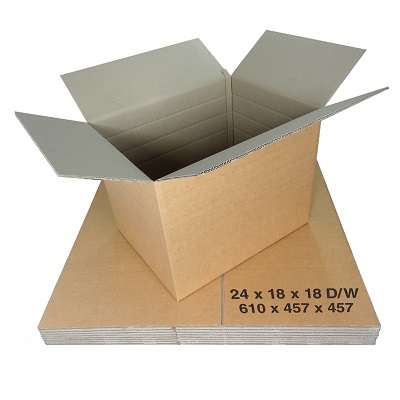
Not all cartons are suitable for fragile goods. While some storage boxes are marketed for general use, ceramics demand stronger corrugated walls. Double-walled cartons offer better resistance to compression.
After sealing the box securely with packing tape, heavier shipments should be reinforced further. steel strapping kits tighten around the carton and maintain its shape, especially when stacked. For bulk transport or pallet shipments, these kits provide added structural support that tape alone cannot guarantee.
A box that maintains its shape protects its contents.
Consider Double Boxing for Valuable Pieces
For high-value or particularly delicate ceramics, double boxing is worth the effort. Place the fully packed carton inside a second, slightly larger box. Fill the space between them with cushioning material.
This layered system absorbs external shocks before they reach the inner carton. Combined with proper corner reinforcement and internal stabilisation, it significantly lowers breakage risk.
While it uses more materials, it also provides more security.
What Other Precautions Should You Keep in Mind?
Labelling cartons as fragile does help, even if it does not guarantee careful handling. Indicating which side should remain upright also reduces unnecessary rotation.
Storage conditions matter too. Cardboard weakens in damp environments. Excess moisture can compromise box strength, and weakened cartons are more likely to collapse under weight.
Avoid overpacking. When a box is too full, internal pressure increases. Cushioning materials lose their effectiveness when compressed too tightly.
Most importantly, inspect everything before sealing. If a carton feels soft or unstable, replace it. It is easier to repack than to deal with damaged ceramics later.
Conclusion
Packing ceramics safely is not about using excessive amounts of material. It is about layering protection thoughtfully. Wrap each item carefully. Eliminate internal movement. Reinforce corners. Use strong cartons. Secure heavier shipments when necessary.
Materials like foam wrap rolls, edge reinforcement such as polystyrene corner protection, reliable cartons instead of thin, cheap storage boxes, and additional stability from steel strapping kits all help reduce damage risk. Each layer works together rather than independently.
Ceramics will always remain fragile. However, careful packing significantly lowers the chance of cracks, chips, and breakage. With patience and proper preparation, ceramics can be stored or transported safely without unnecessary loss.
























Sign in to leave a comment.