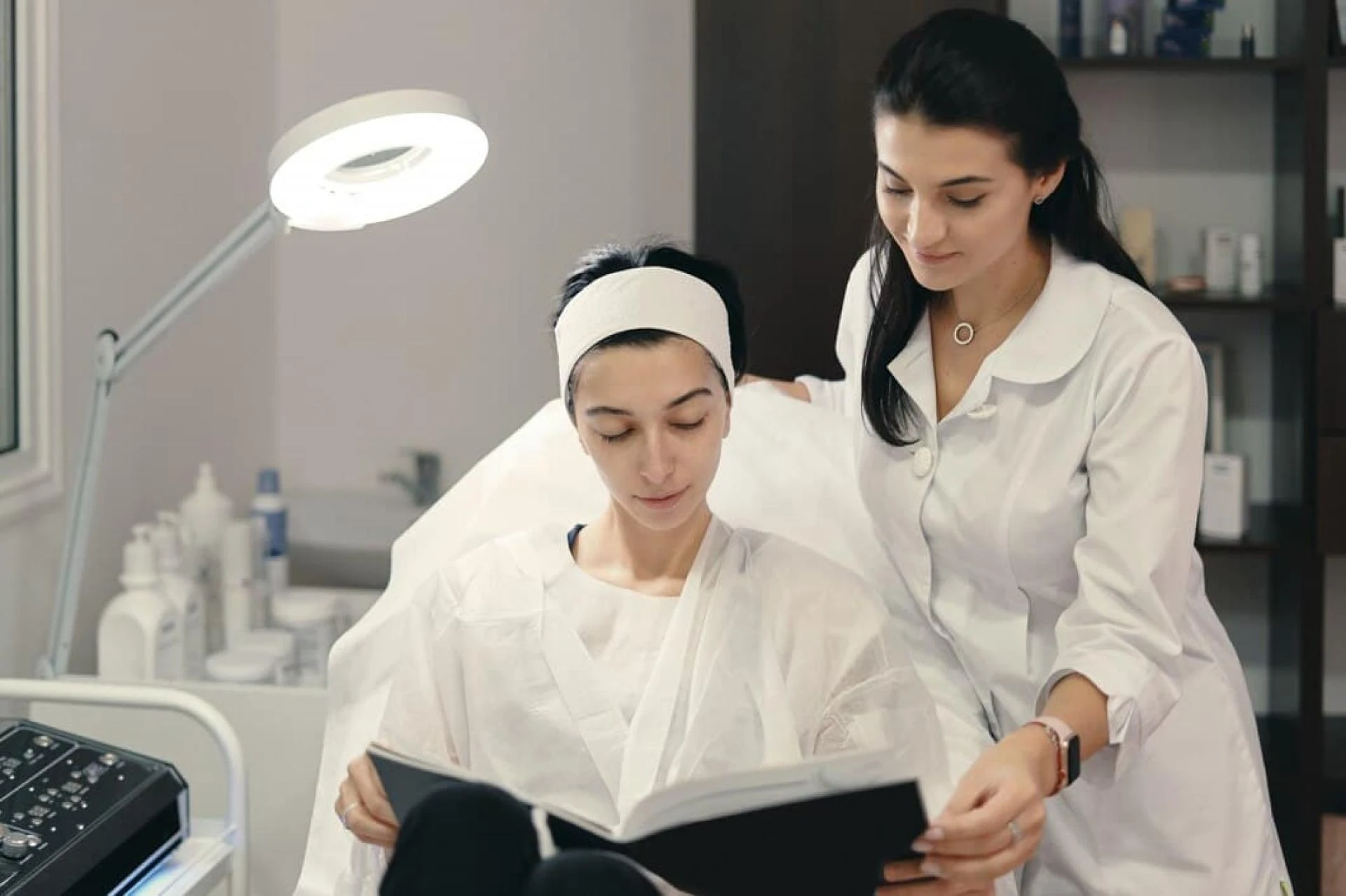

How to Pick the Right Beauty Therapist Course
The beauty industry continues to grow rapidly, offering rewarding career paths for individuals who are passionate about skincare, wellness, and helping others feel confident. Choosing the right beauty therapist courses is a crucial first step toward building a successful and fulfilling career in this field. With so many programs available, selecting the most suitable course can feel overwhelming. From accreditation and curriculum to practical training and career support, several factors must be carefully considered to ensure the course aligns with professional goals and industry standards.
This comprehensive guide explores the key elements to evaluate when selecting a beauty therapist course and provides practical advice to help aspiring professionals make informed decisions.
Understanding Career Goals in Beauty Therapy
Before enrolling in any program, it is important to clearly define career aspirations. Beauty therapy covers a broad range of services and specializations, including skincare treatments, body therapies, hair removal, makeup artistry, and advanced aesthetic procedures.
Identifying Areas of Interest
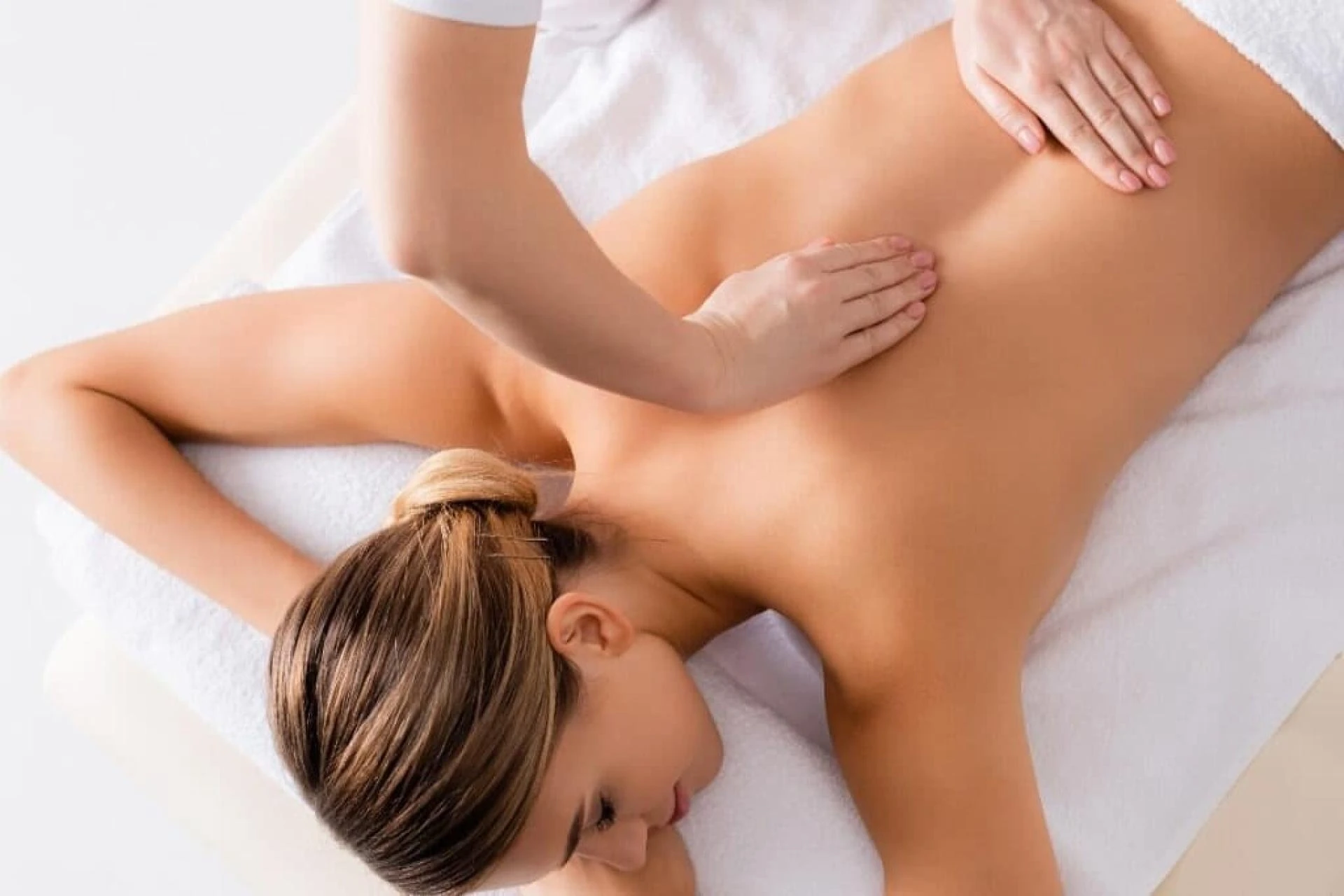
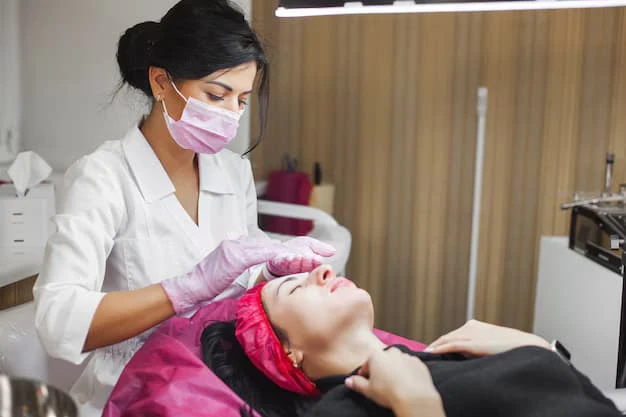
Some individuals are drawn to skincare and facial treatments, while others prefer body therapies such as massage and aromatherapy. Certain courses also offer training in advanced procedures like microdermabrasion or chemical peels. By identifying specific interests early on, prospective students can narrow down programs that offer relevant modules.
Considering Long Term Career Plans
Those who aim to open their own salon or spa may benefit from courses that include business management and client communication skills. Individuals interested in working in medical aesthetics or luxury spas might require more advanced certifications. Clarifying long term goals helps in selecting a course that supports future ambitions rather than limiting them.
Checking Accreditation and Industry Recognition
One of the most critical factors in choosing a beauty therapist course is accreditation. An accredited program ensures that the curriculum meets established industry standards and is recognized by employers and professional bodies.
Importance of Certification
Employers often prefer candidates who have completed recognized qualifications. Accredited courses also increase credibility and may be required for insurance purposes. Verifying that a course is certified by a reputable governing body protects students from investing time and money in unrecognized programs.
Compliance with Local Regulations
Different regions have specific licensing requirements for beauty therapists. A reputable course should align with local regulations and prepare students for any necessary exams or certifications required to practice legally.
Evaluating the Course Curriculum
A well structured curriculum forms the foundation of quality training. Prospective students should carefully review the modules offered in each program to ensure comprehensive coverage of essential skills.
Core Subjects
A strong beauty therapy course typically includes training in:
Skin anatomy and physiology
Facial treatments
Hair removal techniques
Manicure and pedicure services
Health and safety standards
Client consultation skills
These core subjects equip students with fundamental knowledge required in most beauty therapy roles.
Advanced Training Options
Some programs offer additional modules in advanced skincare technologies, electrical facial treatments, or holistic therapies. These options can enhance employability and allow therapists to offer a wider range of services.
Balance Between Theory and Practical Learning
Beauty therapy is a hands on profession. A high quality course should combine classroom learning with extensive practical sessions. Students should have the opportunity to practice on real clients under professional supervision to build confidence and competence.
Assessing Practical Training Opportunities
Practical experience plays a vital role in developing technical skills and professionalism.
Access to Modern Equipment
Training facilities should be equipped with up to date tools and technologies used in the industry. Exposure to modern equipment ensures students are prepared for real world work environments.
Live Client Experience
Courses that offer supervised treatments on live clients provide invaluable experience. This hands on training allows students to refine techniques, manage client expectations, and handle real time challenges.
Small Class Sizes
Smaller class sizes often allow for more personalized instruction and direct feedback from trainers. This can significantly enhance the learning experience and skill development.
Reviewing Trainer Qualifications and Experience
The expertise of instructors directly impacts the quality of education. Prospective students should research the qualifications and industry experience of trainers before enrolling.
Industry Background
Experienced trainers who have worked in salons, spas, or aesthetic clinics bring practical insights into the classroom. Their real world knowledge can help students understand client management, service standards, and industry trends.
Teaching Credentials
In addition to professional experience, instructors should possess relevant teaching qualifications. This ensures they are equipped to deliver structured lessons and effectively guide students through both theory and practice.
Considering Course Duration and Flexibility
Different programs vary in length and scheduling options. Some courses are full time, while others offer part time or weekend classes.
Full Time Programs
Full time courses may allow students to complete their qualifications more quickly. These programs are ideal for individuals who can commit to intensive training without other major responsibilities.
Part Time and Flexible Learning
For those balancing work or family commitments, flexible schedules can make education more accessible. Evening or weekend classes provide opportunities to gain qualifications without disrupting daily routines.
Online and Blended Learning Options
Certain theoretical components may be delivered online, combined with in person practical sessions. Blended learning models can offer convenience while still ensuring hands on experience.
Examining Facilities and Learning Environment
The quality of the training environment influences the overall learning experience.
Clean and Professional Setting
A well maintained and professional environment reflects industry standards. Students trained in such settings are more likely to adopt proper hygiene and presentation practices.
Access to Study Resources
Comprehensive study materials, including manuals, videos, and practical demonstrations, support effective learning. Access to these resources enhances understanding and retention of information.
Understanding Costs and Financial Considerations
Cost is often a significant factor when selecting a course. However, the cheapest option is not always the best choice.
Transparent Fee Structure
A reputable institution should provide a clear breakdown of tuition fees and any additional costs, such as equipment, uniforms, or examination fees.
Value for Investment
Prospective students should evaluate what is included in the course fee. Comprehensive training, practical sessions, certification, and career support contribute to overall value.
Payment Plans and Financial Support
Flexible payment options can make courses more accessible. Some institutions may offer installment plans to help manage costs.
Exploring Career Support and Job Placement Assistance
Strong career support services can significantly impact employment prospects after graduation.
Internship Opportunities
Programs that partner with salons, spas, or clinics may offer internship placements. These opportunities allow students to gain real world experience and build professional networks.
Job Placement Assistance
Some courses provide guidance in preparing resumes, interview skills, and connecting graduates with potential employers. Such support can ease the transition from student to professional.
Alumni Success Stories
Reviewing testimonials and success stories from former students can offer insights into the effectiveness of the program and its impact on career outcomes.
Reading Reviews and Gathering Feedback
Independent reviews and feedback from past students can provide valuable information about the quality of a course.
Online Reviews
Reading online testimonials can reveal strengths and potential shortcomings of a program. Patterns in feedback often indicate consistent experiences.
Speaking with Graduates
Whenever possible, connecting directly with former students allows prospective learners to ask detailed questions about training quality, instructor support, and job readiness.
Visiting the Training Facility
A personal visit can provide clarity and confidence in the decision making process.
Observing Classes
Observing a live class session offers insight into teaching methods, student engagement, and overall atmosphere.
Meeting Instructors
Meeting trainers in person allows prospective students to assess communication style and approachability.
Asking Questions
An in person visit provides an opportunity to clarify course structure, certification details, and practical training components.
Staying Updated with Industry Trends
The beauty industry evolves continuously with new technologies and treatments emerging regularly.
Continuous Professional Development
Choosing a course that emphasizes ongoing education and skill enhancement can support long term career growth.
Exposure to Latest Techniques
Programs that incorporate current trends and innovations prepare students to remain competitive in the job market.
Making an Informed Decision
Selecting the right beauty therapist course requires careful research and thoughtful evaluation. By considering accreditation, curriculum, practical training, instructor expertise, flexibility, facilities, cost, and career support, aspiring professionals can confidently choose a program that aligns with their goals.
A well chosen course not only builds technical competence but also fosters professionalism, confidence, and a strong foundation for career advancement. Investing time in research ensures that students embark on their journey equipped with the skills and knowledge needed to thrive in the beauty industry.
In conclusion, selecting the right training program is a critical step toward building a successful career in beauty therapy. With careful evaluation and clear career goals, aspiring professionals can find a course that meets industry standards and supports long term growth. For those seeking expert guidance and comprehensive training opportunities, Este Training Academy offers pathways designed to help individuals succeed in the dynamic world of beauty therapy.

















Sign in to leave a comment.