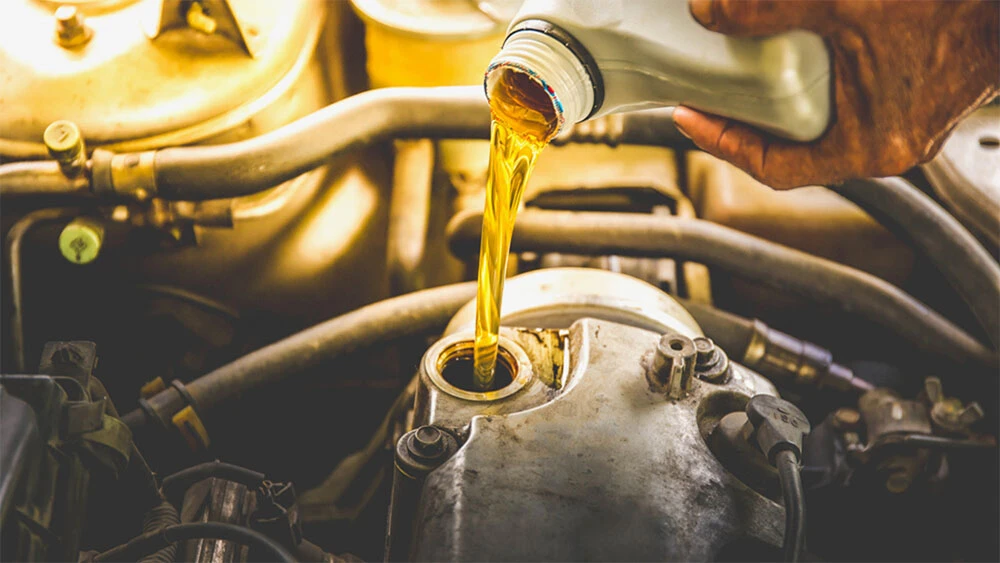

When it comes to maintaining your vehicle's engine, choosing the best engine oil is a crucial decision. The right engine oil can enhance your engine's performance and prolong its life, while the wrong choice can lead to damage and costly repairs. In this comprehensive guide, we'll take you through the process of selecting the perfect lubricant oil for your vehicle. Whether you're a seasoned car enthusiast or a novice looking to learn, this interactive guide will provide you with valuable insights and tips.
Why Engine Oil Matters
Engine oil serves as the lifeblood of your vehicle's engine. It has several critical functions, including:
Lubrication: Engine oil reduces friction between moving parts, preventing wear and tear.Cooling: It helps dissipate heat generated by the engine.Cleaning: Engine oil carries away contaminants and deposits, keeping the engine clean.Sealing: It forms a protective barrier that prevents combustion gases from escaping.Choosing the best engine oil ensures that these functions are performed efficiently, leading to optimal engine performance.
Understanding Viscosity
Viscosity is a crucial factor to consider when selecting engine oil. It refers to the oil's thickness and its ability to flow at different temperatures. You'll typically see two numbers on a bottle of engine oil, such as 5W-30 or 10W-40.
The first number (e.g., 5W or 10W) indicates the oil's flow characteristics at low temperatures. Lower numbers flow better in cold weather, which is essential for easy engine startup.The second number (e.g., 30 or 40) represents the oil's viscosity at operating temperatures. Higher numbers indicate thicker oil that offers better protection at high temperatures.Pro Tip: Check your vehicle's owner's manual for the manufacturer's recommended viscosity rating. This ensures you're using the right oil for your specific engine.
Consider Your Vehicle's Age and Type
Different engines have different requirements. Consider these factors when choosing engine oil:
Age of the Vehicle: Older engines may benefit from high-mileage or conventional oils designed to address specific wear and tear issues.Type of Engine: High-performance engines often require synthetic oils to meet their demands. Regular engines may do well with conventional oils.Turbocharged or Supercharged Engines: These engines generate more heat, and synthetic oils with higher temperature stability are usually recommended.Check for Industry Standards
Look for engine oil that meets industry standards such as API (American Petroleum Institute) or ACEA (European Automobile Manufacturers' Association). These standards indicate that the oil has passed rigorous testing and is suitable for use in a wide range of vehicles.
Synthetic vs. Conventional
The choice between synthetic and conventional oil often depends on your driving habits and vehicle type:
Synthetic Oil: Offers better protection, especially in extreme conditions. It has a longer lifespan and is less prone to breakdown. If you want maximum engine protection, synthetic oil is the way to go.Conventional Oil: Works well for standard driving conditions and is typically more affordable. It's a suitable choice for older vehicles with low mileage.Your Driving Environment Matters
Consider your typical driving conditions when choosing the best engine oil:
Short Trips: If you mainly take short trips, your engine may not reach optimal operating temperatures. In this case, you may want to choose an oil with enhanced low-temperature properties to protect your engine during startup.Towing or Hauling: If you tow heavy loads or frequently drive in hot weather, a synthetic oil with a higher viscosity rating can provide added protection.Do Your Research on Brands
Not all engine oil brands are created equal. It's a good idea to research and read reviews about different oil brands. Some well-known brands like Mobil 1, Castrol, and Pennzoil have excellent reputations for producing high-quality engine oils.
Check for Engine Oil Additives
Some engine oils come with additives that can offer additional benefits, such as improved fuel economy, enhanced engine cleanliness, or extended engine life. However, be cautious about additives and ensure they are compatible with your vehicle's engine.
Consult with a Professional
If you're unsure about which engine oil is best for your vehicle, don't hesitate to consult with a professional mechanic or the service department at your vehicle's dealership. They can provide valuable insights and recommendations based on your specific car and driving habits.
Where to Find Engine Oil
Now that you're armed with knowledge about choosing the right engine oil, you might be wondering, "Where can I find the best engine oil or lubricant oil distributors near me?" Here are some options:
Auto Parts Stores: Local auto parts stores typically carry a wide range of engine oils, including various brands and viscosities.Dealerships: Many vehicle dealerships have their own branded engine oils, and they can recommend the best option for your car.Online Retailers: You can also purchase engine oil online, with the convenience of having it delivered to your doorstep.Mechanic Shops: Some mechanic shops also sell engine oil and can provide expert advice on which one to choose.Conclusion
Choosing the best engine oil for your vehicle is a decision that shouldn't be taken lightly. It directly impacts your engine's performance, longevity, and overall reliability. By considering factors like viscosity, your vehicle's age and type, industry standards, and your driving conditions, you can make an informed choice.
Remember, regular oil changes are essential to keep your engine running smoothly. So, once you've selected the best engine oil for your vehicle, make sure to follow your manufacturer's recommended oil change schedule for optimal results. Happy and safe driving!
Related Topics
The 5 Reasons to Choose Synthetic Engine Oil by GS Caltex
The Pros and Cons of Synthetic Engine Oil for Cars
Bike Engine Oil: Synthetic Vs Conventional
Engine Oil For Petrol Car: A Comprehensive Guide
Car Engine Oil: The Complete Guide To Changing Your Vehicle’s Lifeblood
What To Look For When Selecting An Engine Oil Wholesale Supplier
Dealership Engine Oil: Your Car's Lifeline For Peak Performance
The Best Motorcycle Oil: Navigating the World of Engine Lubricants



























Sign in to leave a comment.