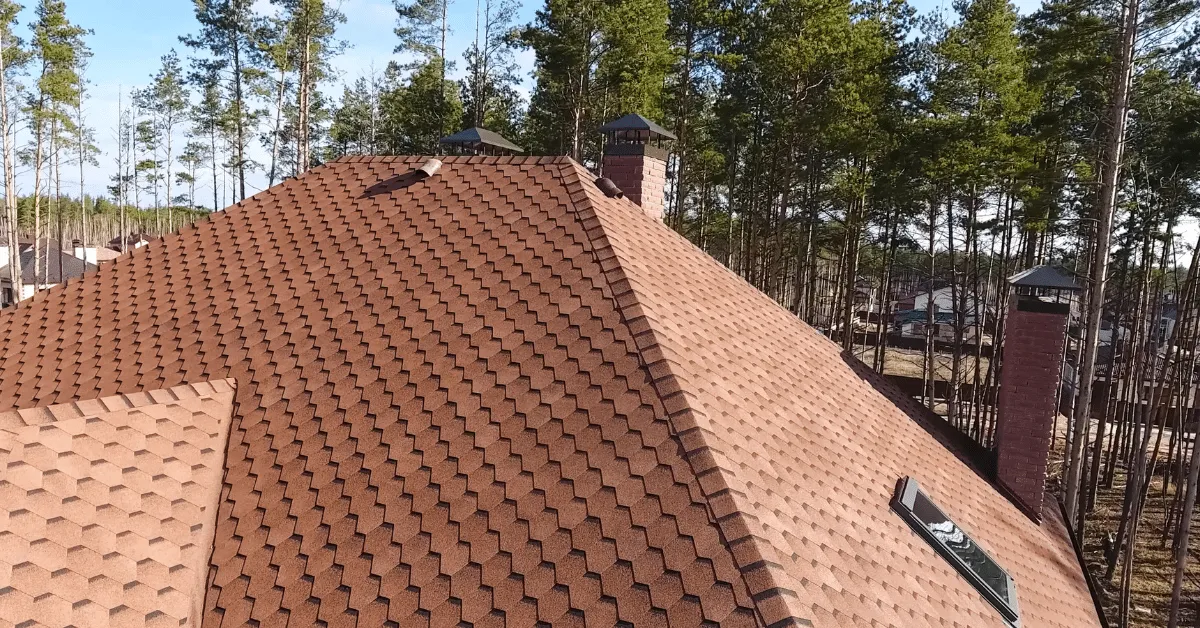

Your roof is one of the most important parts of your house. It keeps rain out, holds heat in during winter, and protects everything you own. But most people don’t think about their roof until something goes wrong. A leak shows up in the ceiling, shingles start curling, or a big storm rips off a section. That’s when the rush begins to find someone who can fix it fast.
If you’ve ever typed roofers near me into your phone after a bad storm, you know how many results pop up. It can feel like trying to pick a restaurant in a city you’ve never been to. Everyone claims to be the best, but how do you actually tell who’s going to do solid work? The truth is, most homeowners don’t know much about roofing, and that’s completely normal. You shouldn’t have to be an expert on shingles and flashing just to get a leak fixed. But knowing a few basics about how the industry works and what to watch out for can save you a lot of money and stress down the line.
Let’s walk through what matters when you’re looking for roof work, how to spot red flags, and what the whole process usually looks like from start to finish.
Why Your Roof Deserves Real Attention
A lot of homeowners put off roof maintenance. It makes sense. You can’t see most of your roof from the ground, and if nothing is leaking, it’s easy to assume everything is fine. But small problems up there turn into big problems inside your house pretty quickly. A cracked or missing shingle might not cause a leak right away. But over a few months, water gets under the layers, rots the wood underneath, and before you know it, you’re dealing with mould in your attic or water stains spreading across your bedroom ceiling.
The thing about roof damage is that it’s almost always cheaper to deal with early. A small repair that costs a few hundred dollars can prevent thousands of dollars in water damage to your ceilings, walls, insulation, and even your electrical wiring. Water has a way of travelling along beams and rafters, so the spot where you see the stain on your ceiling might be several feet away from where the actual leak is. That’s why professional inspections matter so much. Someone who knows what they’re looking at can catch problems you’d never spot from the ground.
Getting regular inspections, even just once a year, can save you thousands in repairs down the road. A good time to schedule one is in the spring after winter weather has done its worst, or in the autumn before the cold sets in. And when you do need work done, knowing how to pick the right person for the job makes all the difference.
What to Look for When Hiring
When you’re searching for a roofing company near me, there are a few things that separate the good ones from the ones you’ll regret hiring. The first thing to check is licencing and insurance. This is non-negotiable. Any roofer worth hiring will have a valid licence for your state and carry both liability insurance and workers’ compensation. If someone gets hurt on your property and the crew isn’t insured, you could be on the hook for medical bills. Always ask for proof before any work starts. A legitimate contractor will have no problem showing you their paperwork. If they hesitate or make excuses, that tells you everything you need to know.
The second thing to pay attention to is whether they give you a written estimate. A trustworthy contractor will come to your house, look at the roof, and give you a detailed written estimate that breaks down the costs. Labour, materials, cleanup, timeline. All of it should be on paper. If someone gives you a number over the phone without seeing the roof, that’s a warning sign. Every roof is different, and no honest contractor can give you an accurate price without getting up there and seeing the condition for themselves.
You should ask for references from recent jobs too. Better yet, look at reviews from other homeowners in your area. People are usually honest when they’ve had a great or terrible experience. If a company has dozens of positive reviews from people in your town, that’s a strong sign they do good work. If you can’t find any reviews at all, or if the reviews are mostly negative, keep looking.
Communication is another big one. Pay attention to how they respond when you call or email. Are they quick to get back to you? Do they answer your questions without getting annoyed or rushing you off the phone? A roofer who communicates well before the job will usually communicate well during it too. You want someone who keeps you in the loop about what’s happening, lets you know if they run into unexpected problems, and doesn’t disappear for days at a time once the work starts.
Common Roof Problems Homeowners Deal With
If you’re looking up roof repair near me, chances are you’ve already spotted a problem. One of the most common issues is missing or damaged shingles. Wind, hail, and age all take a toll on shingles. When they crack, curl, or blow off entirely, your roof loses its first line of defence against water. Sometimes you’ll find shingles in your yard after a storm, and that’s an obvious sign. Other times the damage is more subtle, like granules from the shingles washing into your gutters, which means the shingles are wearing thin even if they’re still in place.
Leaks around flashing are another frequent problem. Flashing is the metal strips around chimneys, vents, and skylights. When it rusts or pulls away from the surface, water sneaks in through the gaps. This is one of the most common sources of roof leaks, and it’s often missed during casual inspections because the flashing can look fine from the ground while actually having small gaps that let water through.
Sagging sections are more serious. If part of your roof looks like it’s dipping or bowing, that’s a sign of structural damage underneath. This usually means water has been getting in for a while and the wood decking has started to weaken. A sagging roof needs immediate attention because it can get worse quickly, and in extreme cases, it can become a safety hazard.
Clogged gutters are a sneaky cause of roof damage that people often overlook. When gutters get packed with leaves and debris, water backs up under the edge of the roof. Over time, this rots the fascia boards and can cause leaks along the roofline. Many homeowners don’t make the link between dirty gutters and roof problems, but the two are closely tied. Keeping your gutters clean is one of the simplest things you can do to protect your roof.
In colder parts of the country, ice dams are a real concern. Ice builds up at the edge of the roof and prevents melting snow from draining properly. The water pools behind the ice and works its way under the shingles. This can cause significant damage to the roof deck and the interior of your home if it’s not dealt with. Proper attic insulation and ventilation are the best defences against ice dams.
The Difference Between a Repair and a Full Replacement
Not every roof problem means you need a whole new roof. Sometimes a simple patch job or a section replacement is all it takes. But other times, the damage is too far gone and trying to patch it is just throwing money away. The trick is knowing which situation you’re in.
A good rule of thumb is this: if more than 30% of your roof needs work, or if your roof is already 20 to 25 years old, a full replacement usually makes more sense financially. You’ll spend more upfront, but you won’t be calling someone back every year to fix a new spot. If the damage is limited to one area and the rest of the roof is in decent shape, a targeted repair can buy you several more years without the expense of a full replacement. When searching for roofing contractors near me, ask them to be straight with you about whether a repair or replacement is the smarter move. A contractor who pushes for a full replacement on a roof that just needs a few patches might not have your best interests in mind. Get at least two or three opinions before making a decision on something this big.
What Materials Are Out There
Most residential roofs in the US use asphalt shingles. They’re affordable, they come in a ton of colours and styles, and they last about 20 to 30 years depending on the quality. For most homeowners, asphalt shingles are the practical choice that balances cost and performance well. But they’re not the only option, and depending on your situation, something else might make more sense.
Tile and slate are premium options. They look great and can last over 100 years, but they’re heavy and expensive. Not every home’s structure can support them without extra reinforcement, and finding someone qualified to install or repair them can be harder than with more common materials. If you have a historic home or you’re building something that you want to last for generations, tile or slate might be worth the investment.
Flat roof systems use materials like TPO, EPDM, or modified bitumen. These are common on commercial buildings but show up on some residential homes too, especially modern designs with flat or low-slope roofs. They need different installation techniques and maintenance schedules than sloped roofs, so make sure whoever you hire has specific experience with flat roofing if that’s what your home has.
Your contractor should be able to walk you through the pros and cons of each option based on your budget, your local weather, and what your house can handle. If they only push one type of material without explaining why, it might be because that’s all they know how to install rather than because it’s the best fit for your home.
How to Protect Yourself From Scams
After a big storm, you’ll often see trucks from out of state rolling through neighbourhoods, knocking on doors and offering quick roof repairs. Some of these crews do decent work. A lot of them don’t. They’re called storm chasers in the industry, and they follow severe weather across the country looking for desperate homeowners who need fast repairs.
The best way to protect yourself is to never pay the full amount upfront. A deposit of 10% to 30% is normal in the roofing industry. Anything more than that, especially full payment before work starts, is a major red flag. You should get everything in writing before any work begins. The scope of work, the materials being used, the timeline, the cost, and the warranty details should all be spelled out in a contract. If it’s not on paper, it doesn’t exist when a dispute comes up later.
Check if they have a physical business address. A PO box or just a phone number makes it hard to track someone down if things go wrong six months after the job is done. Look up their licence number with your state’s licencing board to make sure it’s current and valid. And be cautious of anyone who pressures you to sign right away. “This price is only good for today” is a classic high-pressure sales line. A fair offer will still be a fair offer tomorrow.
There are many roofing companies out there that do honest, quality work. Taking your time to verify credentials and compare quotes is worth the effort. Rushing into a decision is almost always how people end up with a bad experience.
What a Typical Roofing Job Looks Like
If you’ve never had roof work done before, it helps to know what the process looks like so there are no surprises. It starts with an inspection. The contractor comes out, looks at your roof (usually climbing up there), and figures out what needs to be done. They’ll check for damaged shingles, worn flashing, soft spots in the decking, and anything else that looks concerning. Some contractors take photos or videos so they can show you exactly what they’re seeing.
After the inspection, you get a written estimate. Once you agree on the price and scope of work, you sign a contract. A day or two before the work starts, materials show up at your house. Bundles of shingles, rolls of underlayment, flashing, and whatever else is needed for the job. For replacements, the first step on work day is the tear-off. The old roofing material gets stripped down to the wood decking. The crew checks for rotted wood and replaces any damaged sections before putting new material down.
New underlayment goes down first as a water barrier, then the shingles or whatever material you’ve chosen gets installed from the bottom edge up to the ridge. Flashing gets installed around vents, chimneys, and edges. Once the installation is complete, a good crew will pick up every nail, scrap of material, and piece of packaging. They’ll run a magnetic roller over your yard and driveway to catch any stray nails that could puncture your tyres. Your property should look as clean as it did before they showed up, just with a much better roof on top.
The last step is a final walkthrough. The contractor goes over the finished work with you, explains the warranty, and makes sure you’re happy with everything. This is your chance to ask questions and point out anything that doesn’t look right. A good contractor will want you to be satisfied and will address any concerns on the spot.
Keeping Your Roof in Good Shape Long-Term
Once the work is done, you don’t want to be back in the same situation a year from now. A few simple habits can add years to your roof’s life. Clean your gutters at least twice a year, more often if you have big trees nearby. Clogged gutters cause water to back up under the roof edge, which leads to rot and leaks over time. It’s a simple job that makes a big difference.
Trim back any branches that hang over your roof. They drop leaves into your gutters, scrape against shingles when the wind blows, and give squirrels and raccoons easy access to your roof where they can cause damage. Check your attic a few times a year for signs of moisture, especially after heavy rain or snowmelt. Dark stains on the wood, a musty smell, or visible mould are all signs that water is getting in somewhere.
After any major storm, do a quick visual check from the ground. If you see anything that looks off, like missing shingles, a sagging area, or debris piled up in one spot, call a professional for a closer look. And keep records of any roof work that’s been done, including inspections, repairs, and warranty documents. This helps with insurance claims if you ever need to file one, and it adds value to your home if you decide to sell.
Finding Help You Can Count On
At the end of the day, your roof is protecting everything underneath it. Your family, your furniture, your peace of mind. Taking the time to find someone qualified and trustworthy to work on it is not something to rush through. Whether you need a small patch job or a full tear-off and replacement, doing your homework before hiring makes the whole experience smoother. Ask questions, compare quotes, and don’t be afraid to say no if something doesn’t feel right. The right roofer will be patient with your questions, transparent about costs, and stand behind the work they do. That’s the kind of professional you want on your roof.












Sign in to leave a comment.