
India’s Golden Triangle—Delhi, Agra, and Jaipur—is a traveler’s dream, blending history, culture, and architectural splendor into one unforgettable journey. Spanning three distinct cities, this iconic circuit offers a glimpse into India’s past and present, from the bustling capital of Delhi to the romantic Taj Mahal in Agra and the royal charm of Jaipur. If you’re short on time but eager to experience the best of North India, a 3 Day Delhi Agra Jaipur Tour is the perfect solution. In this 3000-word guide, we’ll walk you through a meticulously planned itinerary, must-visit landmarks, and insider tips to ensure your trip is seamless and enriching.
Covering approximately 700 kilometers in a triangular loop, this compact adventure showcases UNESCO World Heritage sites, vibrant markets, and delectable cuisine—all achievable in just three days. Whether you’re a first-time visitor or a seasoned explorer, this guide will help you make the most of your Golden Triangle experience. Let’s dive into the details of this whirlwind journey!
Why Choose a 3-Day Delhi Agra Jaipur Tour?
The Golden Triangle is named for the geographic shape formed by Delhi, Agra, and Jaipur, each roughly 200-280 kilometers apart. This proximity, paired with excellent connectivity, makes it an ideal short-trip destination. Here’s why a 3-day tour works so well:
- Diversity: Delhi’s urban energy, Agra’s Mughal legacy, and Jaipur’s Rajasthani grandeur offer a varied cultural tapestry.
- Accessibility: Well-connected by road and rail, the circuit is easy to navigate with a tight schedule.
- Iconic Sights: You’ll tick off bucket-list landmarks like the Taj Mahal, Amber Fort, and Red Fort in one go.
With a smart plan, you can explore the essence of each city without feeling rushed. Let’s break it down day by day.
Day 1: Delhi – The Heart of India
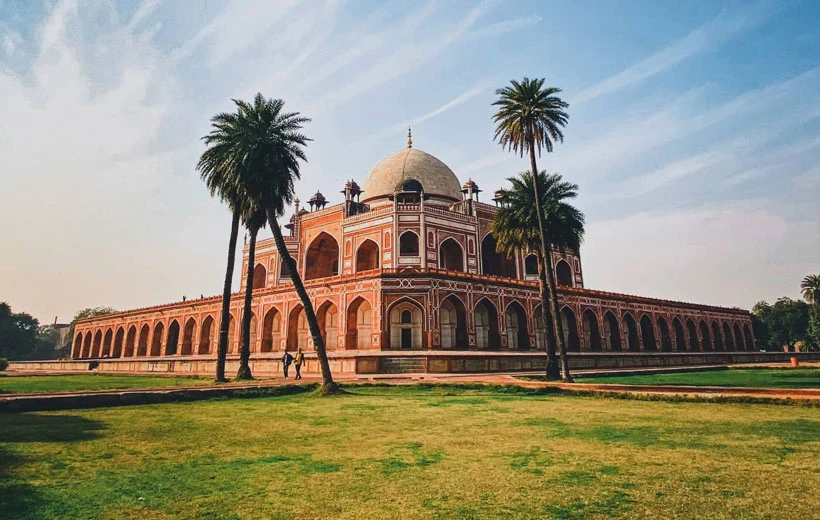
Your 3 Day Delhi Agra Jaipur Tour begins in Delhi, India’s vibrant capital, where ancient monuments stand alongside modern skyscrapers. Day 1 is all about diving into Delhi’s rich history and setting the stage for your Golden Triangle adventure.
Morning: Old Delhi Exploration
Start early to experience the chaotic charm of Old Delhi, the city’s historic core.
- Jama Masjid: Begin at this majestic mosque, built by Emperor Shah Jahan in 1656. Its vast courtyard and towering minarets are a stunning introduction to Mughal architecture. Climb a minaret for a bird’s-eye view of the bustling streets below.
- Chandni Chowk: Take a rickshaw ride through this legendary market, one of India’s oldest. The narrow lanes brim with spices, jewelry, and street food—sample a paratha or jalebi for a quick breakfast.
- Red Fort: A short ride away, this UNESCO World Heritage site was the Mughal emperors’ stronghold. Explore its red sandstone walls, Diwan-i-Aam (public audience hall), and lush gardens, soaking in tales of imperial splendor.
Afternoon: New Delhi Highlights
After lunch—try butter chicken at a local dhaba—shift to New Delhi, the British-designed capital.
- India Gate: This 42-meter war memorial is a striking landmark, perfect for a quick photo stop amid its green lawns.
- Humayun’s Tomb: A UNESCO site and architectural precursor to the Taj Mahal, this tomb dazzles with its Persian symmetry and serene gardens.
- Qutub Minar: End your Delhi sightseeing at this 12th-century minaret, the tallest of its kind in brick. Its intricate carvings and surrounding ruins are a testament to India’s medieval artistry.
Evening: Drive to Agra
Post-sightseeing, hit the road for Agra, a 3-4 hour drive (230 km) via the Yamuna Expressway. Arrive by evening, check into your hotel, and rest up for Day 2. Alternatively, take the Gatimaan Express train (1 hour 40 minutes) if you prefer speed over flexibility.
Travel Tip: Book a hotel near Taj Ganj in Agra for proximity to the Taj Mahal.
Day 2: Agra – The City of Love
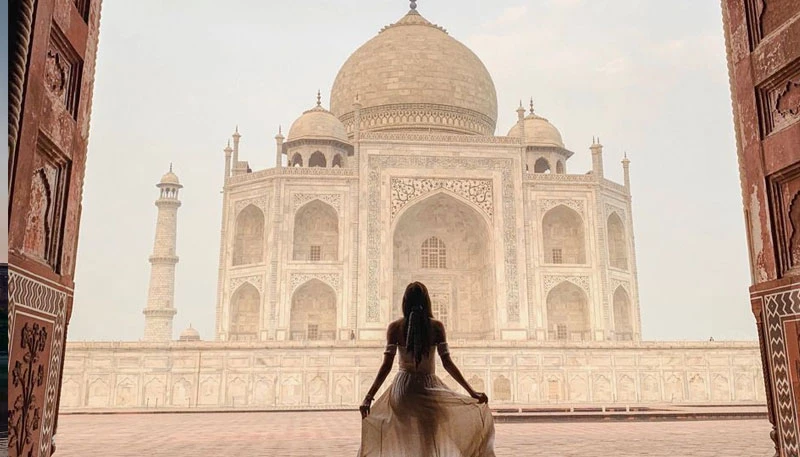
Day 2 brings you to Agra, the Mughal jewel of the Golden Triangle, famed for the Taj Mahal and its romantic legacy. Today’s focus is on iconic monuments and a taste of local life, with a bonus stop on the way to Jaipur.
Early Morning: Taj Mahal Sunrise
Rise before dawn for a sunrise visit to the Taj Mahal, a must-do for its magical ambiance.
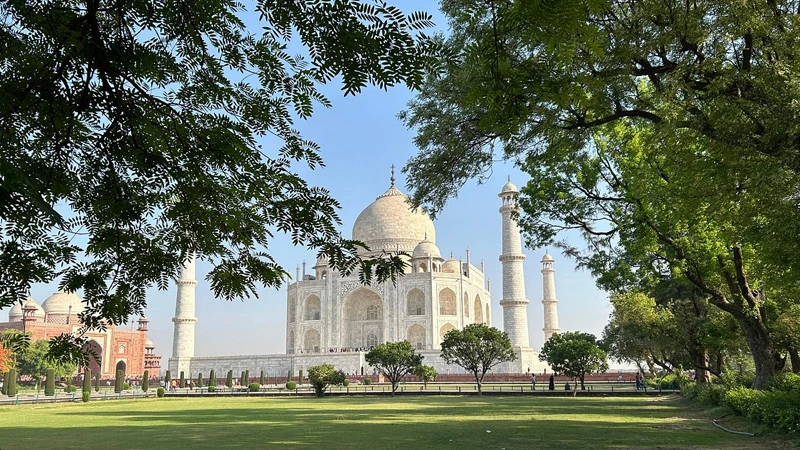
- Taj Mahal: This UNESCO masterpiece, built by Shah Jahan for his wife Mumtaz Mahal, glows ethereal in the morning light. Arrive at 6:00 AM to see its marble facade shift colors and explore its symmetrical beauty, from the reflecting pool to the intricate pietra dura inlays. A guide can share the love story that inspired this wonder.
Return to your hotel for breakfast—perhaps kachori with chai—before continuing your day.
Mid-Morning: Agra Fort
Next, visit the Agra Fort, another UNESCO site and a powerhouse of Mughal history.
- Agra Fort: This red sandstone fortress was the Mughal seat of power. Wander through its palaces, like the Khas Mahal, and the Musamman Burj, where Shah Jahan spent his final days gazing at the Taj. The fort’s blend of might and elegance is captivating.
Afternoon: Local Flavor
Take a break to experience Agra beyond its monuments.
- Marble Craftsmanship: Visit a workshop to see artisans recreate the Taj’s inlay work—perfect for a unique souvenir.
- Lunch: Enjoy Mughlai cuisine at a spot like Pinch of Spice. Try biryani, kebabs, or the sweet petha, Agra’s specialty.
Evening: Drive to Jaipur via Fatehpur Sikri
After lunch, embark on the 4-5 hour drive to Jaipur (240 km), stopping at Fatehpur Sikri en route.
- Fatehpur Sikri: This abandoned Mughal city, a UNESCO site, was Akbar’s capital for 14 years. Marvel at the Buland Darwaza (world’s tallest gateway), Panch Mahal, and the tomb of Salim Chishti. Its red sandstone glows in the late afternoon.
Arrive in Jaipur by evening, check into your hotel, and savor a Rajasthani dinner—think dal baati churma or ker sangri.
Day 3: Jaipur – The Pink City

Your final day takes you to Jaipur, Rajasthan’s royal capital, known for its pink-hued architecture and regal heritage. Day 3 is packed with forts, palaces, and markets before your return to Delhi.
Morning: Amber Fort
Start at the Amber Fort, a hilltop gem 11 km from Jaipur.
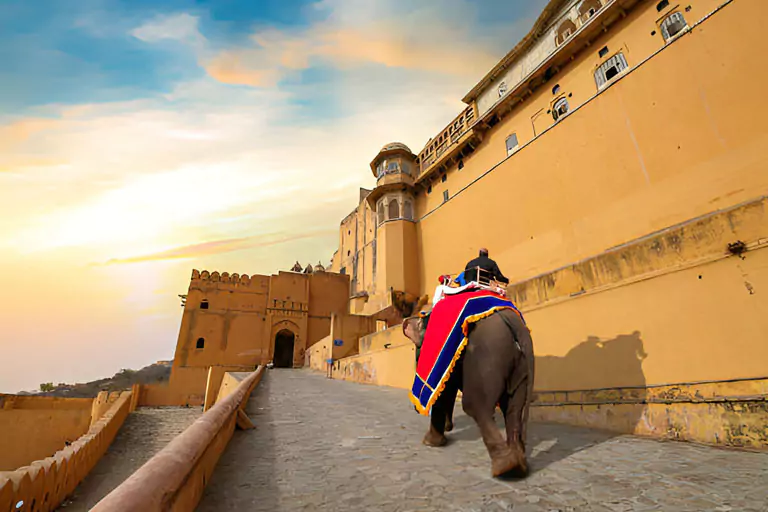
- Amber Fort: This UNESCO site blends Rajput and Mughal styles. Ascend via jeep or elephant (if available), then explore the Sheesh Mahal (Mirror Palace), Diwan-i-Aam, and stunning hilltop views. Its golden sandstone gleams in the morning sun.
Mid-Morning: Hawa Mahal and Jal Mahal
Head back to Jaipur for two quick but iconic stops.
- Hawa Mahal: The Palace of Winds, with its 953 latticed windows, is a pink sandstone marvel. Built for royal women to watch street life, it’s a photo must.
- Jal Mahal: This “Water Palace” floats on Man Sagar Lake, offering a serene vista. Admire it from the shore as entry isn’t permitted.
Afternoon: City Palace and Jantar Mantar
After a Rajasthani lunch—try a thali at Chokhi Dhani—explore Jaipur’s royal and scientific heritage.
- City Palace: A blend of Rajput and Mughal architecture, this palace houses museums with royal artifacts and the ornate Chandra Mahal.
- Jantar Mantar: A UNESCO observatory with massive instruments like the Samrat Yantra (giant sundial), showcasing 18th-century astronomy.
Evening: Shopping and Return to Delhi
End your day with Jaipur’s vibrant markets before the 5-6 hour drive (280 km) back to Delhi.
- Bazaars: Hit Johari Bazaar for jewelry, Bapu Bazaar for textiles, or Tripolia Bazaar for handicrafts. Bargain for gems or block-printed fabrics.
- Drive Back: Depart by 5:00 PM to reach Delhi by 10:00-11:00 PM, wrapping up your Golden Triangle journey.


























Sign in to leave a comment.