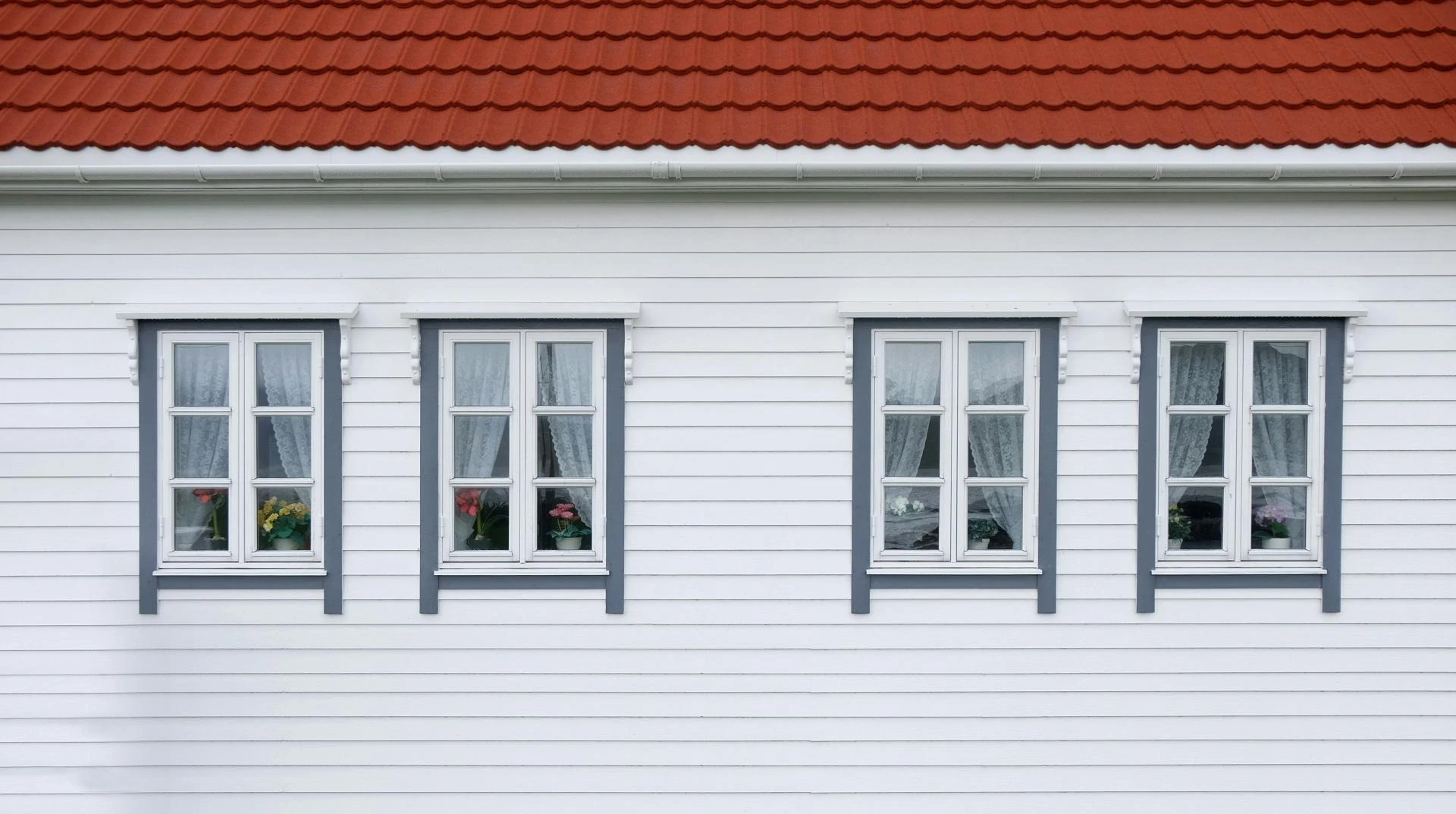

Your home's exterior is the first thing people notice when they drive by or visit. It's like your house's handshake with the world. Whether you're looking to boost your property value, improve energy efficiency, or simply give your home a fresh new look, planning an exterior remodeling project can feel overwhelming.
Don't worry – we've got you covered. This guide will walk you through everything you need to know to plan a successful exterior renovation that fits your budget, timeline, and vision.
Why Exterior Remodeling Matters More Than You Think
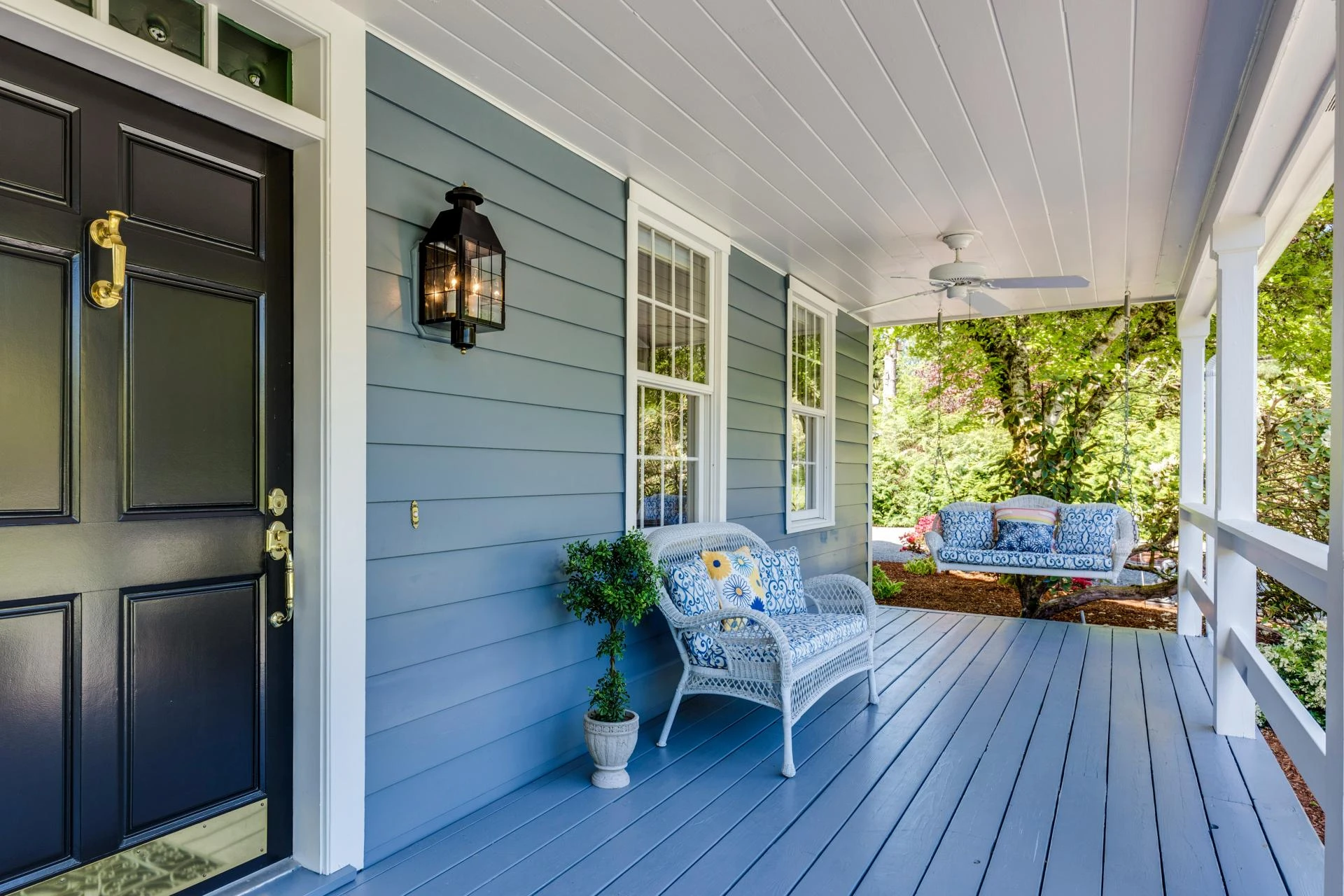
Curb appeal isn't just about looks. A well-planned exterior renovation can increase your home's value by 5-15%, depending on the improvements you make. More importantly, it creates a sense of pride every time you pull into your driveway.
Think about it this way – your exterior is working 24/7, protecting your family from weather while representing your personal style. When you invest in quality exterior improvements, you're investing in both function and beauty.
Beyond the financial benefits, exterior home remodeling can significantly improve your home's energy efficiency. New siding, windows, and roofing materials can reduce heating and cooling costs by up to 30%. That's money back in your pocket every month.
Setting Your Budget and Priorities
Before you start dreaming about that perfect new front porch, let's talk numbers. Most exterior remodeling projects range from $15,000 to $75,000, depending on the scope and materials chosen.
Start by determining your total budget, then allocate it across different project areas. A good rule of thumb is to prioritize structural and functional improvements first, followed by aesthetic upgrades.
Consider creating a two-phase approach. Phase one might include essential repairs like roofing or siding replacement, while phase two focuses on enhancing features like landscaping or decorative elements.
Remember, it's better to do fewer projects well than to spread your budget too thin across multiple half-finished improvements.
Essential Elements to Consider
Roofing: Your Home's First Line of Defense
Your roof does the heavy lifting when it comes to protecting your home. If your roof is more than 15-20 years old or showing signs of wear, this should be your top priority.
Modern roofing materials offer incredible durability and style options. Asphalt shingles remain the most popular choice due to their affordability and reliability. However, metal roofing is gaining popularity for its longevity and energy efficiency.
Don't overlook the importance of proper ventilation and insulation during a roof replacement. These elements work together to prevent ice dams, reduce energy costs, and extend your roof's lifespan.
Siding: Style Meets Protection
Siding replacement can dramatically transform your home's appearance while improving insulation and weather resistance. Vinyl siding offers low maintenance and excellent value, while fiber cement provides superior durability and fire resistance.
Wood siding creates a timeless, natural look but requires more maintenance. Steel and aluminum options work well in harsh climates but may not suit every architectural style.
The key is choosing siding that complements your home's architecture while meeting your maintenance preferences and budget.
Windows and Doors: Function and Beauty Combined
New windows and doors can completely change your home's character. Energy-efficient windows reduce utility bills while improving comfort. Look for windows with Low-E coatings and proper insulation ratings for your climate zone.
Your front door serves as your home's focal point. A high-quality entry door with attractive hardware and proper weatherstripping combines security, energy efficiency, and style.
Consider the proportions carefully – oversized windows or doors can overwhelm smaller homes, while too-small features can make larger homes look unbalanced.
Creating a Realistic Timeline
Most exterior remodeling projects take 2-8 weeks to complete, depending on complexity and weather conditions. Spring and fall typically offer the best weather windows for exterior work, though summer remains the most popular season.
Start planning at least 3-6 months before your desired start date. This gives you time to research contractors, obtain permits, and order materials without rushing.
Weather delays are common in exterior projects. Build in extra time for unexpected issues like discovering structural problems or dealing with material delivery delays.
Smart planning means starting your project when you have flexibility in your schedule rather than rushing to meet a specific deadline.
Choosing the Right Materials
Material selection affects both your project's cost and long-term satisfaction. Focus on quality over trendy features that might look dated in a few years.
Consider your local climate when selecting materials. What works beautifully in Arizona might not perform well in Minnesota. Talk to local contractors about materials that stand up to your area's specific weather challenges.
Think about maintenance requirements honestly. Low-maintenance materials cost more upfront but save time and money over the years. High-maintenance options might fit your budget initially but could become expensive to maintain.
Color choices deserve special attention. Neutral colors offer timeless appeal and broader market acceptance if you plan to sell. Bold colors can create stunning results but might limit your home's appeal to future buyers.
Working with Contractors
Finding the right contractor makes or breaks your project. Start by asking friends, neighbors, and local suppliers for recommendations. Check online reviews, but remember that a few negative reviews among many positive ones shouldn't automatically disqualify a contractor.
Always get at least three detailed quotes for comparison. The lowest bid isn't always the best choice – focus on value, experience, and communication quality.
Verify that contractors carry proper licensing and insurance. Ask to see certificates and contact their insurance company to confirm coverage. This protects you from liability if accidents occur during the project.
Good contractors communicate clearly, show up on time for appointments, and provide detailed written estimates that break down labor and material costs.
Permits and Regulations
Many exterior improvements require building permits. Roofing, siding, and structural changes typically need permits, while painting and minor repairs usually don't.
Check with your local building department about permit requirements and homeowners association restrictions. Some neighborhoods have strict guidelines about colors, materials, and architectural features.
Permit costs vary by location and project scope, typically ranging from $100 to $1,500. While permits add cost and time, they ensure work meets safety standards and can prevent problems when selling your home.
Don't skip the permit process to save money or time. Unpermitted work can create serious issues during home sales and may not be covered by insurance if problems arise.
Maximizing Your Investment
Focus on improvements that offer the best return on investment. Replacing your front door, updating exterior lighting, and adding fresh landscaping typically provide excellent returns for relatively modest investments.
Consider energy efficiency upgrades that qualify for tax credits or utility rebates. These incentives can significantly reduce your project costs while improving your home's performance.
Think about how different improvements work together. New siding looks even better with updated trim and shutters. A new roof paired with fresh gutters creates a cohesive, finished appearance.
Timing multiple projects together often reduces overall costs since contractors can share setup time and materials deliveries.
Common Mistakes to Avoid
One of the biggest mistakes homeowners make is starting projects without a clear overall vision. Random improvements made over time can create a disjointed appearance that actually hurts your home's appeal.
Don't sacrifice quality for speed. Rushing contractors or choosing the cheapest materials often leads to problems that cost more to fix than doing things right initially.
Avoid making dramatic changes that don't suit your home's architectural style. A colonial home with ultra-modern features can look awkward and may not appeal to future buyers.
Weather considerations matter more than many homeowners realize. Don't pressure contractors to work in poor conditions – quality work requires suitable weather.
Planning for the Future
Think beyond immediate needs when planning your exterior remodel. Consider how your family's needs might change and choose improvements that will serve you well long-term.
Factor in maintenance requirements when making material choices. Some options require regular attention, while others can go years between maintenance tasks.
Document your improvements with photos, receipts, and warranty information. This documentation proves valuable for insurance claims, warranty issues, and future home sales.
Smart planning today prevents problems tomorrow and ensures your investment continues paying dividends for years to come.
Your exterior remodeling project represents a significant investment in your home's future. By following these planning guidelines, you'll create improvements that enhance your daily life while building long-term value. Take time to plan carefully, choose quality materials and contractors, and enjoy the transformation of your home's exterior into something truly special.




























Sign in to leave a comment.