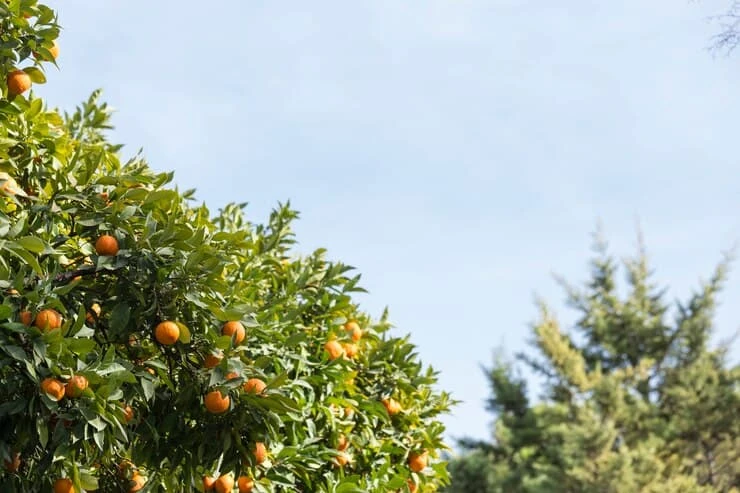

Planting and caring for fruit trees can be a rewarding experience, providing you with fresh, homegrown fruit for years to come. Whether you\'re a beginner gardener or an experienced green thumb, following a few key steps will help you successfully plant and maintain healthy fruit trees. This guide will walk you through the process from selecting the right tree to ensuring its growth and productivity.
1. Choosing the Right Fruit Tree
The first step in planting fruit trees is selecting the right variety for your climate and soil type. Consider the following factors:
- Climate: Some fruit trees, like apples and cherries, thrive in cooler climates, while others, such as citrus and peaches, prefer warmer temperatures. Research which trees are best suited to your area\'s climate.
- Space: Determine the amount of space you have available. Dwarf and semi-dwarf varieties are ideal for smaller gardens, while standard trees need more room to grow.
- Pollination: Some fruit trees are self-pollinating, meaning they can produce fruit on their own. Others require cross-pollination from a different variety of the same fruit. Ensure you have compatible trees for proper pollination.
2. Preparing the Planting Site
Once you\'ve chosen your tree, it\'s time to prepare the planting site. Follow these steps:
- Location: Select a sunny spot with well-drained soil. Most fruit trees need at least 6-8 hours of direct sunlight per day.
- Soil Preparation: Test your soil\'s pH level and nutrient content. Most fruit trees prefer slightly acidic to neutral soil (pH 6.0-7.0). Amend the soil with compost or organic matter to improve its structure and fertility.
- Digging the Hole: Dig a hole twice as wide and just as deep as the tree\'s root ball. This allows the roots to spread out easily and establish themselves in the soil.
3. Planting the Tree
Planting your fruit tree correctly is crucial for its long-term health. Follow these steps:
- Remove the Tree: Gently remove the tree from its container, being careful not to damage the roots. If the roots are tightly bound, gently tease them apart.
- Position the Tree: Place the tree in the center of the hole, ensuring the root collar (where the roots meet the trunk) is level with or slightly above the soil surface. This prevents the tree from being planted too deep, which can cause root rot.
- Backfill the Hole: Fill the hole with the excavated soil, gently firming it around the roots to eliminate air pockets. Water the tree thoroughly to help settle the soil.
4. Watering and Mulching
Proper watering and mulching are essential for the establishment and growth of your fruit tree:
- Watering: Newly planted trees need consistent moisture to develop strong roots. Water deeply once a week, adjusting based on weather conditions. Ensure the soil is moist but not waterlogged.
- Mulching: Apply a 2-3 inch layer of mulch around the base of the tree, keeping it a few inches away from the trunk. Mulch helps retain soil moisture, regulate soil temperature, and suppress weeds.
5. Pruning and Training
Pruning and training your fruit tree encourages healthy growth and improves fruit production:
- Initial Pruning: After planting, prune the tree to remove any damaged or crossing branches. This helps the tree focus its energy on establishing strong roots and a balanced structure.
- Training: Use stakes or ties to support young trees and guide their growth. Train the tree to develop a central leader (main vertical stem) and well-spaced lateral branches.
- Ongoing Pruning: Regularly prune your tree to remove dead, diseased, or overcrowded branches. Prune during the dormant season (late winter or early spring) for most fruit trees.
6. Fertilizing
Fruit trees benefit from regular feeding to promote healthy growth and fruit production:
- Timing: Apply fertilizer in early spring, just before new growth begins. Avoid fertilizing in late summer or fall, as this can encourage new growth that may not harden off before winter.
- Type: Use a balanced fertilizer specifically formulated for fruit trees. Follow the manufacturer\'s instructions for application rates.
7. Pest and Disease Management
Protect your fruit tree from pests and diseases to ensure a bountiful harvest:
- Monitoring: Regularly inspect your tree for signs of pests or disease, such as discolored leaves, holes, or unusual growths.
- Prevention: Keep the area around the tree clean and free of fallen fruit or debris, which can attract pests. Use barriers or nets to protect fruit from birds and insects.
- Treatment: If you notice pests or diseases, take appropriate action, such as using organic or chemical treatments recommended for your specific tree and issue.
Conclusion
Planting and caring for fruit trees requires dedication and attention to detail, but the rewards are well worth the effort. By selecting the right tree, preparing the planting site, and following proper care techniques, you\'ll enjoy delicious, homegrown fruit for years to come. Remember, a healthy tree is a productive tree, so invest time and care into nurturing your fruit trees, and they will repay you with bountiful harvests.










Sign in to leave a comment.