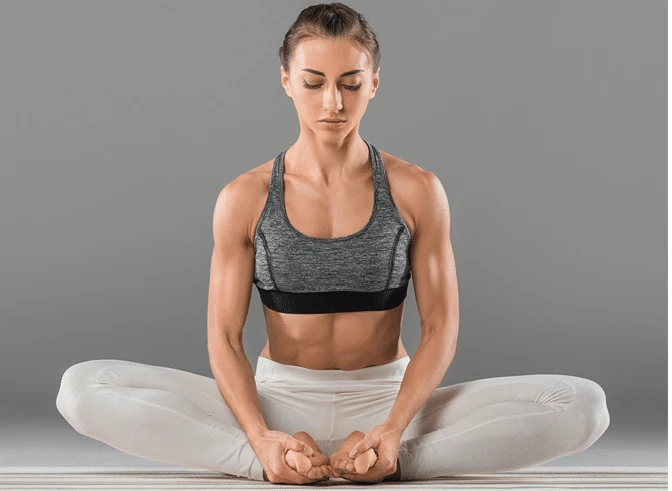

Kundalini yoga focuses on combining breathing and physical movement to liberate energy in the lower body and flow upwards via all of the body's chakras.
Kundalini refers to the untapped energy (prana) in the lower body – or at the base of the spinal cord – that can be transported upward through the body, awakening all seven chakras.
When this energy reaches the crown chakra in the skull, it achieves total enlightenment. Kundalini energy is represented by a snake coiling at the bottom of the spine.
What to Expect in a Kundalini Yoga Class?
1. Deep breathing: Deep Breathing is the most popular breath utilized in Kundalini Yoga, in which you breathe slowly and deeply in and out via your nose, stretching your stomach out on the inhale and compressing your stomach in on the exhale. Every meditation and kriya has a specific breath and posture that assists in generating or releasing certain energy. Breath of Fire is a popular and well-liked breath work technique in Kundalini Yoga. When you're anxious or overloaded, breathing exercises are a wonderful skill to have.
2. Mantras: Chants and sound, often known as mantras, can trigger a chemical reaction in the brain and body, impacting your mood favorably. Happiness, joy, and sadness all have a frequency that they vibrate at. You channel the positive energy by reciting it, whether it's for peace, wealth, or prosperity.
Chanting a mantra causes your body to vibrate at the same frequency as the mantra, lifting your mood to higher vibrations and resulting in a more bountiful and high-vibe state of mind.
3. Kriyas: A kriya—or a sequence of exercises—is created when you combine breath, posture, and sounds. Kriya is a Sanskrit word meaning "activity," and it is via a certain set of activities and commitment that manifestation can occur. Kriyas act on all levels of your mind, body, and spirit to help you live a healthy, abundant, and vital life.
4. Mudras: Mudras are hand gestures that lock and route energy into various sections of your brain.
5. Meditations: Kundalini Yoga meditations bring about a sense of release and healing. The energy you're releasing or creating during meditation can make you feel completely alert, heightened, and moved. Kundalini yoga meditations are conducted for varying amounts of time to attain various benefits. A 3-minute meditation affects the body's electromagnetic field and blood circulation, while an 11-minute meditation starts to affect the nervous and glandular systems. A 31-minute meditation impacts all cells in the body, as well as the body's rhythms and the subconscious mind.
HOW TO START PRACTICING SIMPLE KUNDALINI YOGA
There are a few ways to start practicing Kundalini Yoga. The best way, however, is to join live-streamed means, yoga classes. Although pre-recorded yoga videos are popular on streaming online yoga sites, what if you could take a yoga session in the comfort of your own home or workplace with a live teacher who sees you in real time the same way you see them? This is now entirely possible, and it offers a viable alternative to traditional yoga studios.





Sign in to leave a comment.