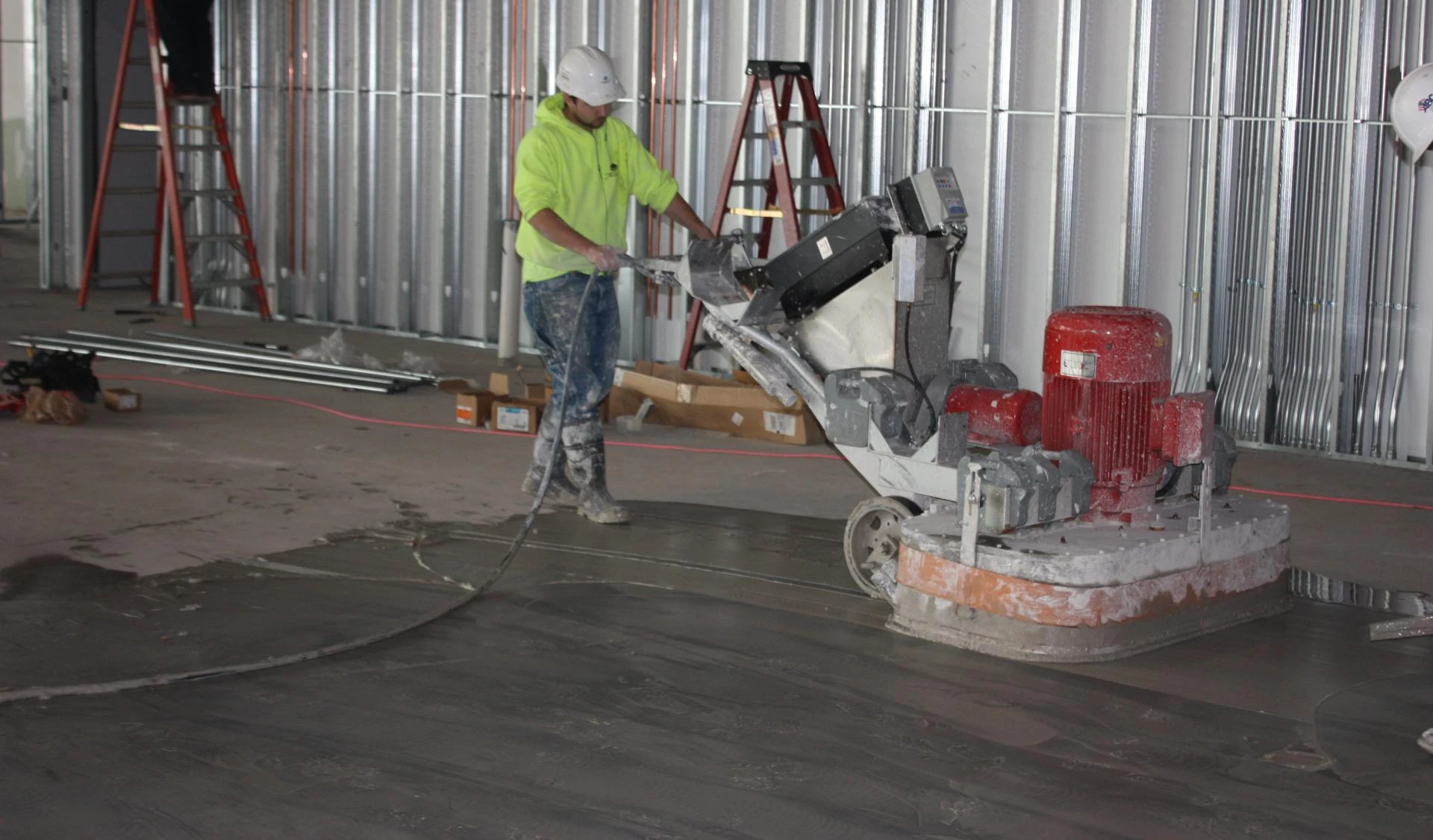

Preparing the surface is the most important step before applying epoxy flooring. Even the best epoxy will fail if the base floor is not ready. A clean, dry, and strong surface helps the epoxy stick well and last for many years. Many flooring problems start from poor preparation, not from the epoxy itself. That is why surface preparation must never be rushed or ignored.
Why Surface Preparation Matters So Much
Epoxy flooring works like a strong glue that bonds to concrete. If the surface has dust, oil, moisture, or weak spots, the epoxy will not hold properly. Over time, this can cause peeling, bubbles, or cracks. Professional epoxy flooring experts in San Antonio always focus more on preparation than on the coating itself, because a good base ensures long life and a smooth finish.
Check the Condition of the Concrete Floor
Before starting any work, inspect the concrete carefully. Look for cracks, holes, uneven areas, or old coatings. Weak concrete must be repaired before epoxy application.
Things to check:
- Surface cracks or broken edges
- Old paint or sealers
- Powdery or soft concrete areas
If the floor feels weak or dusty when touched, it needs extra treatment. This is a step epoxy flooring experts never skip.
Remove Oil, Grease, and Stains
Oil and grease are common problems, especially in garages and workshops. Epoxy will not stick to oily surfaces, even if they look clean. Simple washing is not enough.
Proper cleaning steps include:
- Using a strong degreaser
- Scrubbing deeply into stained areas
- Rinsing thoroughly with clean water
Any leftover oil can cause the epoxy to lift later. Experienced epoxy flooring experts use special cleaners to remove deep stains.
Fix Cracks and Holes Properly
Cracks may look small, but they can grow under epoxy if not repaired. All cracks and holes should be filled with proper repair material before coating.
Important points:
- Clean cracks before filling
- Use concrete patch or epoxy filler
- Let repairs dry fully
Uneven repairs can show through the epoxy, so smooth finishing is important.
Grinding or Etching the Surface
Concrete floors are often too smooth for epoxy to bond well. Surface roughening creates a strong grip for the coating.
Two common methods are:
- Mechanical grinding
- Acid etching
Grinding is more reliable and is preferred by epoxy flooring experts. It opens the concrete pores and removes weak layers. Acid etching can work for small areas but must be done carefully and evenly.
Remove All Dust After Surface Prep
After grinding or etching, dust removal is critical. Even fine dust can stop epoxy from bonding properly.
Best practices include:
- Industrial vacuum cleaning
- Damp mopping without soaking
- Final visual inspection
The floor should feel clean and slightly rough, not slippery or dusty.
Check for Moisture Problems
Moisture is one of the biggest enemies of epoxy flooring. If water comes up from under the concrete, epoxy can bubble or peel.
Simple moisture checks:
- Tape plastic sheet to floor overnight
- Look for water drops or dark spots
If moisture is present, a moisture barrier or special epoxy system is needed. This is why many people trust epoxy flooring experts in San Antonio to handle this step correctly.
Control Temperature and Humidity
Epoxy needs the right environment to cure properly. Very cold, hot, or humid conditions can affect the final result.
Ideal conditions usually include:
- Moderate temperature
- Low humidity
- Good air flow
Surface temperature is just as important as room temperature.
Final Inspection Before Epoxy Application
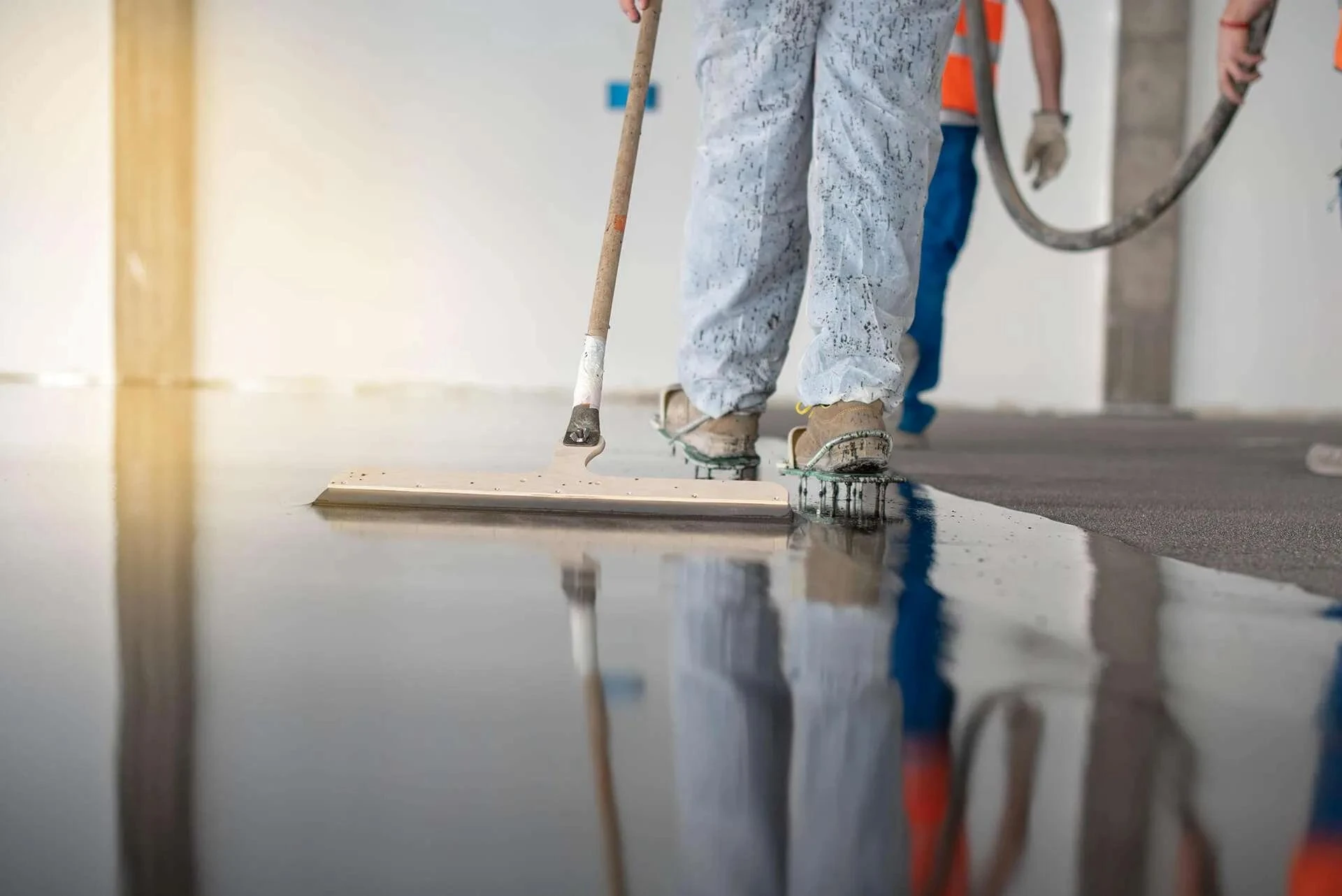
Before applying epoxy, inspect everything one last time. The floor should be:
- Clean and dry
- Crack-free and smooth
- Properly roughened
Professional epoxy flooring experts in San Antonio always do a final check to avoid mistakes that are hard to fix later.
Final Words
Good epoxy flooring always starts with proper surface preparation. Skipping or rushing this step can ruin the entire floor, no matter how good the epoxy is. By cleaning deeply, repairing damage, removing moisture, and preparing the surface correctly, epoxy flooring becomes strong, smooth, and long-lasting. Proper preparation is not extra work; it is the foundation of a successful epoxy floor.



























Sign in to leave a comment.