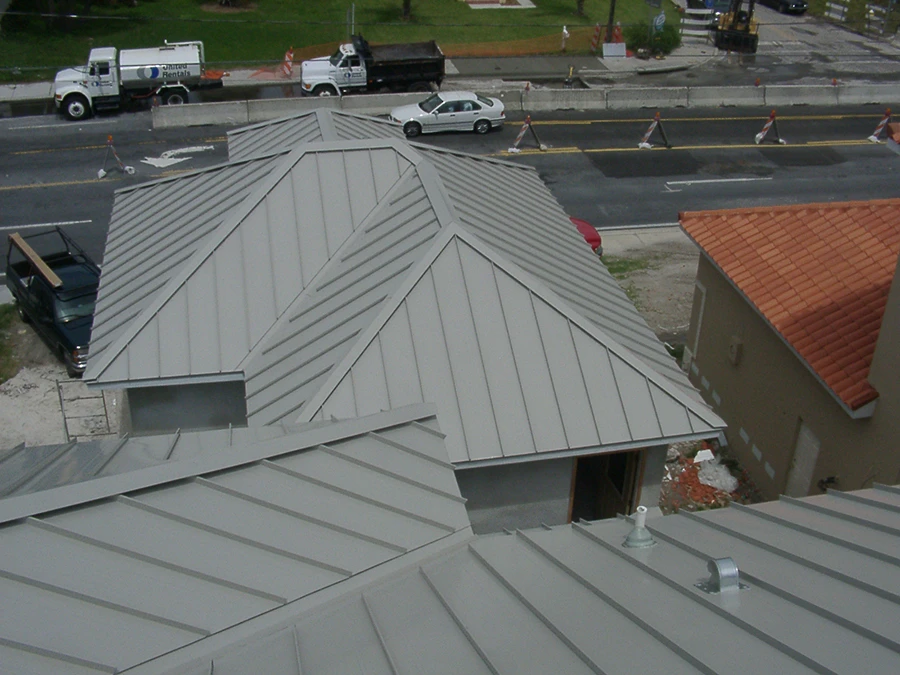

To prevent leaking metal roof, it's important to have regular inspections. A professional roof inspection can detect small problems before they become major problems. Major problems can be more difficult to repair and potentially dangerous. It's also important to hire a professional who understands local building codes.
Capillary pull
The first step in determining whether a metal roof is leaking is to determine where the leak is coming from. If the leak is coming from the roof panel, the leak likely comes from the capillary pull between the panel and the substrate. This action will increase in warmer and humid climates. This can lead to rust and leaks.
Capillary pull happens when water is pulled into tight spaces between metal roofing layers. This happens because water molecules like to stick to each other. As a result, water will penetrate through the metal roof sheets and cause leaking. If you can see any water on the surface of your metal roof, it is likely that your metal roof is leaking.
While the capillary pull is the main culprit in leaking a metal roof leaks, there are other ways to prevent it. In the first place, capillary pull can be prevented by sealing the exterior of the roofing system. While capillary action is relatively easy to stop, corroded roofing systems can be very difficult to repair.
Another way to prevent leaking metal roofs is to seal the seams and overlaps. This is especially important in overlapping metal roofing sections, where water will travel uphill between two pieces. If you do not seal these areas properly, you'll end up with a worse problem - another leak.
Poorly installed flashings
Poorly installed flashings on a roof can cause a number of problems, including water damage. It can also lead to rusting. If the flashings are not tight enough, they may separate from the panels and allow water to seep in. In severe cases, they may need to be replaced.
Poorly installed flashings on a roof can also lead to problems with ventilation systems and pipes. If you have a metal roof, the problem will be more complicated. Ideally, you would only have one penetration from the roof eve to the roof ridge. Unfortunately, there are few unbroken metal field runs. Other challenges include parapet walls, skylights, large round pipes, and square ducts. You may also have dissimilar roofing materials or profiles.
Improperly installed flashing can also lead to expensive damage. The flashing itself is not visible, so you might not notice it until it has been damaged. In addition to that, it could develop cracks and dents over time. If it has been installed improperly, you should have it repaired and inspected regularly.
Proper installation is important to ensure the long-term longevity of a metal roof. Installing the flashings properly will help keep water from seeping underneath the metal roof. Besides the correct size, proper installation will ensure the flashings are secure and properly sealed.
Installing quality metal roofing also includes liquid sealants. However, these sealants need to be replaced periodically due to environmental wear. Improperly installed flashings can also allow water to pool and leak around vertical surfaces. This can cause a metal roof to suffer serious damage.
Poorly installed ridge caps
If you notice that the ridge caps on your metal roof are poorly installed, don't panic. There are easy ways to fix this problem and ensure that your metal roof continues to look beautiful and new for years to come. One way is to purchase prefabricated ridge caps. They're simple to install, and can help to prevent leaks.
First, measure the length of your roof panels and then mark their edges using a carpenter's pencil. You can also use chalk or red chalk to make a line on the ridge. Make sure that the line is level and follows the building code. If you're having trouble, consult your local building code for installation guidelines.
Another way to fix poorly installed ridge caps on a metal roof is to hire a professional roofer. Not only do they have specific tools for installing ridge caps, they also know how to prepare the roof before they are installed. Make sure you hire a reputable roofing company with experience.
Once you've done that, you can install the ridge cap. After completing the ridge, you can close the ridge with two ways: using the last course of shingles over the peak, or by using a metal flashing coil and nailing it into the top locks on the shingle courses.
To avoid poor ridge caps on a metal roof, you must use the right type of ridge cap. Ideally, it should fit snugly with the metal roofing panels. Also, a high-quality tape sealant should be used between the ridge cap and the metal panels. This will help ensure that the metal roof will stay looking good for years to come.
The installation process for the ridge cap is very similar to that for a ridge panel, except that the ridge cap is unrolled instead of laid down in 3' sections. The cap should extend 1/2 inch past the edge of the roof to ensure a proper overhang. Ideally, the cap should also not touch the exposed sealant tape. If you're unsure of the exact measurements, you can use a chalk line to help you determine the proper placement.
If you've noticed leaks in the ridge of your metal roof, you'll need to get it fixed right away. Leaks in the ridge will cause internal damage and mold and mildew to form. It's easy to ignore these leaks, so make sure you get it fixed before it worsens.
Poorly installed stack flashings
Poorly installed stack flashings on tin or metal roofs can result in leaks. Stack flashings are rubberized pieces that fit over pipes and vents on a roof to form a seal. However, they can break down over time and need to be replaced. Additionally, improperly installed stack flashings can leave a water pool behind the metal panel.
Poorly installed stack flashings can also allow moisture to seep into the attic. Stack flashings must be securely fastened, avoiding rat and squirrel damage. Uneven stack flashings may have loosening or canted screws, which allow rainwater to leak in. The choice of fasteners and installation are the most common reasons for leaks on metal roofs.
Properly installed stack flashings are critical to the structural integrity of a metal roof leaking. Flashings are crucial components of a roof, protecting it from water damage and other hazards. Properly installed stack flashings will prolong the life of your roof and prevent leaks.
Properly installed stack flashings seal the pipes that come through a metal roof. Proper installation will help you save money in the long run. These flashings are easy to install, and a variety of materials are available. Stack flashings can be bought online or at a home improvement store, and some manufacturers even sell pre-formed flashings.
Installing stack flashings on metal roofs requires some expertise and practice. The new flashing must be centered over the vent pipe and under the shingles. The top and side shingles must be bent back so that they do not hit the vent pipe. You can then add roofing cement to seal the edges and nail heads. Remember: Proper installation means nailing in the proper spot.
A poorly installed metal roof counter flashing can cause a leak at the brick mortar / flashing joint. Incorrect construction and installation of the flashing will allow water to seep behind it and into the interior of the garage. In this case, the flashing was too shallow and not sealed properly, causing water to leak from behind the flashing and into the garage.









Sign in to leave a comment.