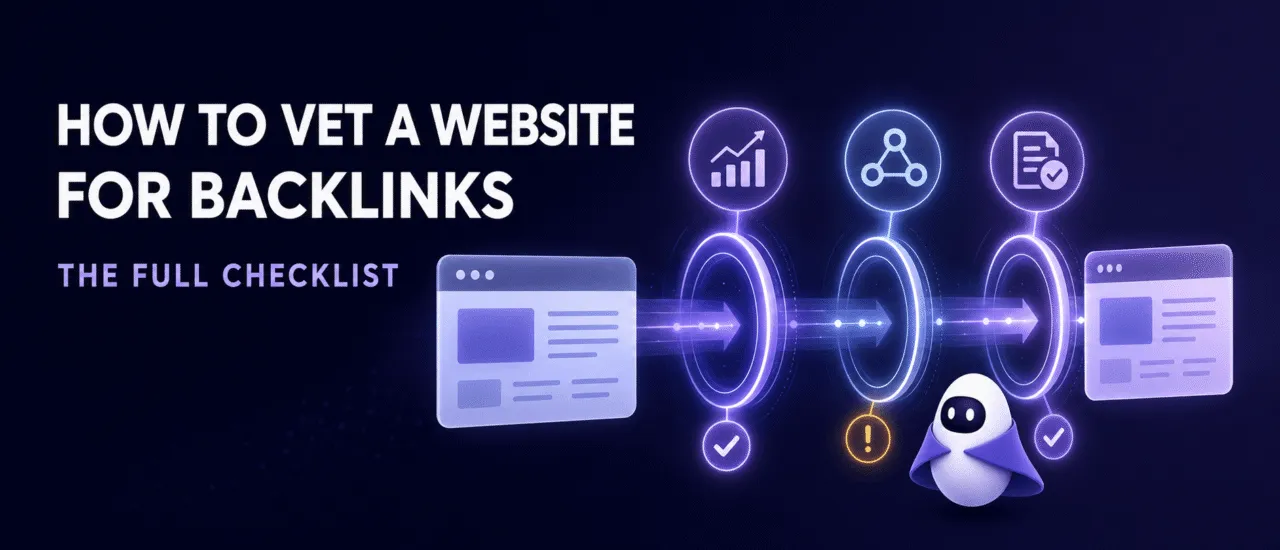

Backlinks can still play a strong role in improving search visibility, but not every backlink opportunity is worth your time. Some links can support your rankings, while others may bring little value or even create risk for your website. That is why understanding how to qualify link prospects is important before starting any outreach campaign.
A good link-building strategy is not about collecting random links from any website that accepts guest posts. It is about finding relevant, trustworthy, and valuable websites that can improve your online authority. When you qualify prospects properly, you save time, avoid poor-quality placements, and build links that actually support long-term SEO growth.
Why Learning How to Qualify Link Prospects Matters
Many businesses focus only on getting more backlinks, but quality matters more than quantity. A single backlink from a relevant and trusted website can be more valuable than dozens of links from low-quality domains. Learning how to qualify link prospects helps you choose better websites for outreach and avoid platforms that exist only for link selling.
Search engines look at backlinks as signals of trust and relevance. If your website receives links from spammy, unrelated, or poorly maintained websites, those links may not help your rankings. In some cases, they may even damage your brand image. Proper qualification helps you build a safer and stronger backlink profile.
Before reaching out to any website, you should check whether it matches your niche, has real traffic, publishes useful content, and maintains a clean SEO profile. These checks can help you identify whether the website is a good fit for your backlink goals.
Check Website Relevance First
Relevance should be your first priority when reviewing link prospects. A backlink from a website related to your industry, audience, or topic is usually more valuable than a random link from an unrelated site.
For example, if your website is about SEO, digital marketing, or backlink evaluation, links from marketing blogs, business websites, SaaS platforms, or content strategy blogs will usually make more sense. On the other hand, getting a backlink from a completely unrelated niche may look unnatural and may not bring useful traffic.
When checking relevance, review the website’s main categories, recent blog posts, audience type, and overall content theme. Ask yourself whether your target audience would naturally visit that website. If the answer is yes, the prospect may be worth considering.
Review Content Quality
A good website should publish useful, readable, and original content. If the blog is filled with thin articles, copied content, keyword stuffing, or poorly written posts, it may not be a strong link prospect.
Look at a few recent articles and check whether they provide real value to readers. Quality websites usually have clear formatting, proper grammar, helpful information, and a consistent editorial style. They also avoid publishing random topics just to sell links.
This step is especially important when learning how to qualify link prospects because content quality often reflects the website’s overall trust level. If the content looks low-effort, the backlink may also have low value.
Analyze Organic Traffic and Visibility
Traffic is another important factor when qualifying link prospects. A website with real organic traffic usually has some level of trust and visibility in search engines. While high traffic is not always required, the website should not appear completely inactive or invisible.
You can use SEO tools to check estimated organic traffic, ranking keywords, and traffic trends. If a website had good traffic in the past but suddenly dropped, it may be a warning sign. A sharp traffic decline can indicate algorithm issues, poor content quality, or spam-related problems.
A healthy link prospect should have stable or growing visibility. This shows that search engines still trust the site and that your backlink may have a better chance of delivering SEO value.
Check Domain Authority Carefully
Metrics like Domain Authority, Domain Rating, or Authority Score can help during prospect evaluation, but they should not be the only deciding factor. These numbers are useful for quick comparison, but they can sometimes be misleading.
Some websites show high authority metrics but have low traffic, poor content, or spammy outbound links. That is why you should always combine authority checks with relevance, traffic, and quality review.
A lower-authority website with a real audience and strong niche relevance can sometimes be better than a high-authority website that publishes low-quality guest posts on every topic.
Review Outbound Links
One of the best ways to qualify a website is to check the kind of external links it publishes. If almost every article contains commercial links to unrelated websites, the site may be selling links heavily.
A good link prospect should have natural outbound links that support the content. The links should point to relevant sources, useful references, or trusted websites. If you see links to gambling, adult, crypto spam, or unrelated low-quality pages, it is better to avoid that prospect.
Outbound link quality can tell you whether the website maintains editorial standards or accepts anything for payment.
Check Indexing and Site Health
Before choosing a link prospect, make sure the website is indexed in Google. You can search for the domain name or use basic search operators to check whether its pages appear in search results.
If many pages are not indexed, or the website looks abandoned, it may not be a strong placement option. You should also check whether pages load properly, the design is professional, and there are no obvious technical issues.
A website that is slow, broken, full of ads, or poorly maintained may not provide a strong backlink experience.
Look for Real Engagement and Brand Signals
Quality websites often show signs of real activity. These signs may include an active blog, updated pages, social media presence, author profiles, comments, newsletters, or a clear business identity.
You do not need every prospect to have huge engagement, but the website should look genuine. If there is no contact information, no author details, no brand presence, and no clear purpose, it may not be trustworthy.
Real brand signals make a website more reliable and help you build links that look natural.
Build a Simple Qualification Checklist
To make your process easier, create a checklist before starting outreach. Include points like niche relevance, content quality, traffic, authority, outbound links, indexing, spam score, and editorial standards.
This checklist will help you compare prospects quickly and avoid emotional decisions. It also keeps your team consistent if multiple people are working on link outreach.
When you know how to qualify link prospects, your backlink strategy becomes more focused, safer, and more effective. Instead of chasing every possible website, you can invest your time in opportunities that support your SEO goals.
Final Thoughts
Link building works best when it is based on quality, relevance, and trust. Not every website that accepts guest posts is a good backlink opportunity. By checking relevance, content quality, traffic, authority, outbound links, and site health, you can make better decisions before outreach.
A strong backlink profile is built slowly through careful selection. When you understand how to qualify link prospects, you protect your website from low-quality links and create a stronger foundation for long-term organic growth.


























Sign in to leave a comment.