

The report arrives. It has columns, units, and terms you have never seen. Your eyes jump straight to the word “risk.”
Many women feel their heart race at this moment. That is natural. But a report is easier to understand once you know what each line means.
What You Will See on the Report
Most reports include these parts:
- Free beta hCG value
- PAPP-A value
- MoM values for each marker
- Your age, weight, and gestational age
- NT scan measurement, if included
- Risk figures for Down syndrome and Edwards syndrome
What Is MoM
MoM stands for Multiples of the Median. It compares your value with the typical value for women at the same stage of pregnancy.
A MoM of 1.0 means you are right in the middle. Most normal results fall roughly between 0.5 and 2.0. A value outside this range is not a diagnosis. It is only one input into the final risk figure.
How Risk Is Written
Risk is shown as a ratio, such as 1 in 1000.
This means that out of 1000 women with the same numbers, about one would have a baby with the condition. The larger the second number, the lower the risk.
Low Risk and High Risk
Many labs use 1 in 250 as the cut off for Down syndrome. Some use a slightly different number.
- Lower risk (screen negative): The risk is below the cut off. For example, 1 in 1000 is considered low risk.
- Higher risk (screen positive): The risk is above the cut off. For example, 1 in 150 is considered higher risk.
Higher risk does not mean your baby is affected. In fact, most women with a higher risk result have healthy babies. It simply means extra testing is worth considering.
What Different Marker Patterns May Suggest
Doctors often look at the pattern, not one number alone.
- High hCG with low PAPP-A may raise the chance of Down syndrome
- Low hCG with low PAPP-A may raise the chance of Edwards syndrome
- Low PAPP-A alone may lead to extra growth scans later, since it can be linked to growth problems in some pregnancies
Please do not try to diagnose yourself from these patterns. Let your doctor read them in context.
Things That Can Change Your Numbers
Several factors affect results.
- Your weight, since blood volume changes the marker levels
- Smoking
- Diabetes
- Twin pregnancy
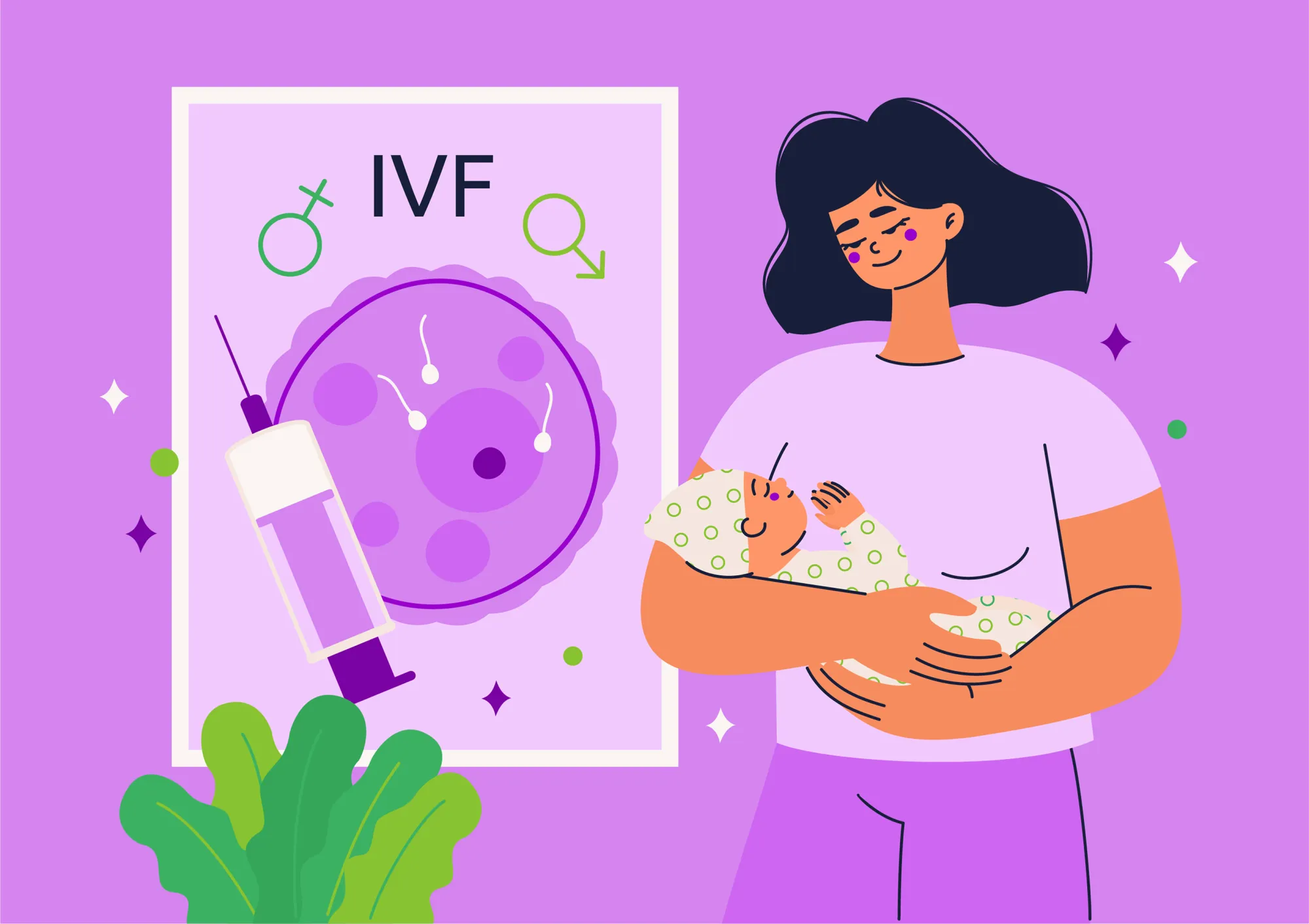
- IVF conception
- Wrong dating of the pregnancy
This is why accurate details on the form matter. An incorrect date or weight can shift your risk figure.
What to Do After You Read It
If your result is low risk, your routine antenatal care continues. You will still have the detailed scan around 18 to 20 weeks.
If your result is higher risk, your doctor may suggest one of these:
- NIPT, a blood test that looks at baby’s DNA in your blood
- CVS, a procedure done around 11 to 14 weeks
- Amniocentesis, a procedure done after 15 weeks
These are covered in the same detail in this guide on the double marker test in pregnancy, if you want to read further.
Questions to Ask Your Doctor
- What is my exact risk figure?
- Was my pregnancy dated correctly?
- Did my weight or IVF conception affect the numbers?
- Do I need further testing, or can we repeat the scan?
- What are the next steps and timelines?
Finding Calm While You Wait
- Avoid comparing your numbers with strangers online
- Share the report with your partner and sit together with the doctor
- Write your questions in advance
- Remember that screening is about chances, not certainty
Choosing the Right Care Team
Clear explanation is a gift during early pregnancy. The best IVF center in Jaipur can support women who conceived with treatment and need a team that already knows their journey. An experienced IVF specialist will take time to walk you through every line of the report.
Final Thoughts
A report is only a tool. Used well, it helps you and your doctor plan the right care. Read it slowly, ask questions, and let someone guide you through it.
























Sign in to leave a comment.