Acne scars can be a lasting reminder of past breakouts, often affecting confidence and overall skin appearance. While acne may fade with time, scars usually require professional care to improve skin texture and tone. Thanks to advancements in skincare and dermatology, there are now several effective options available to reduce acne scars safely and visibly. If you are exploring professional solutions such as Acne and Scar Treatment in Redmond, understanding modern dermatology treatments can help you choose the right approach for clearer, healthier-looking skin.
Understanding Acne Scars and Why They Form
Acne scars develop when deep breakouts damage the skin’s tissue. As the skin tries to heal, it may produce too little or too much collagen, leading to depressed or raised scars. Inflammatory acne, cysts, and nodules are more likely to cause scarring, especially when acne is picked or left untreated. Genetics, skin type, and delayed treatment also play a role in how scars form and how visible they become.
Before starting any treatment, it is important to identify the type of acne scars you have. Common types include ice pick scars, boxcar scars, rolling scars, and post-inflammatory hyperpigmentation. Each type responds differently to treatment, which is why a personalized dermatology plan is essential.
Chemical Peels for Acne Scar Reduction
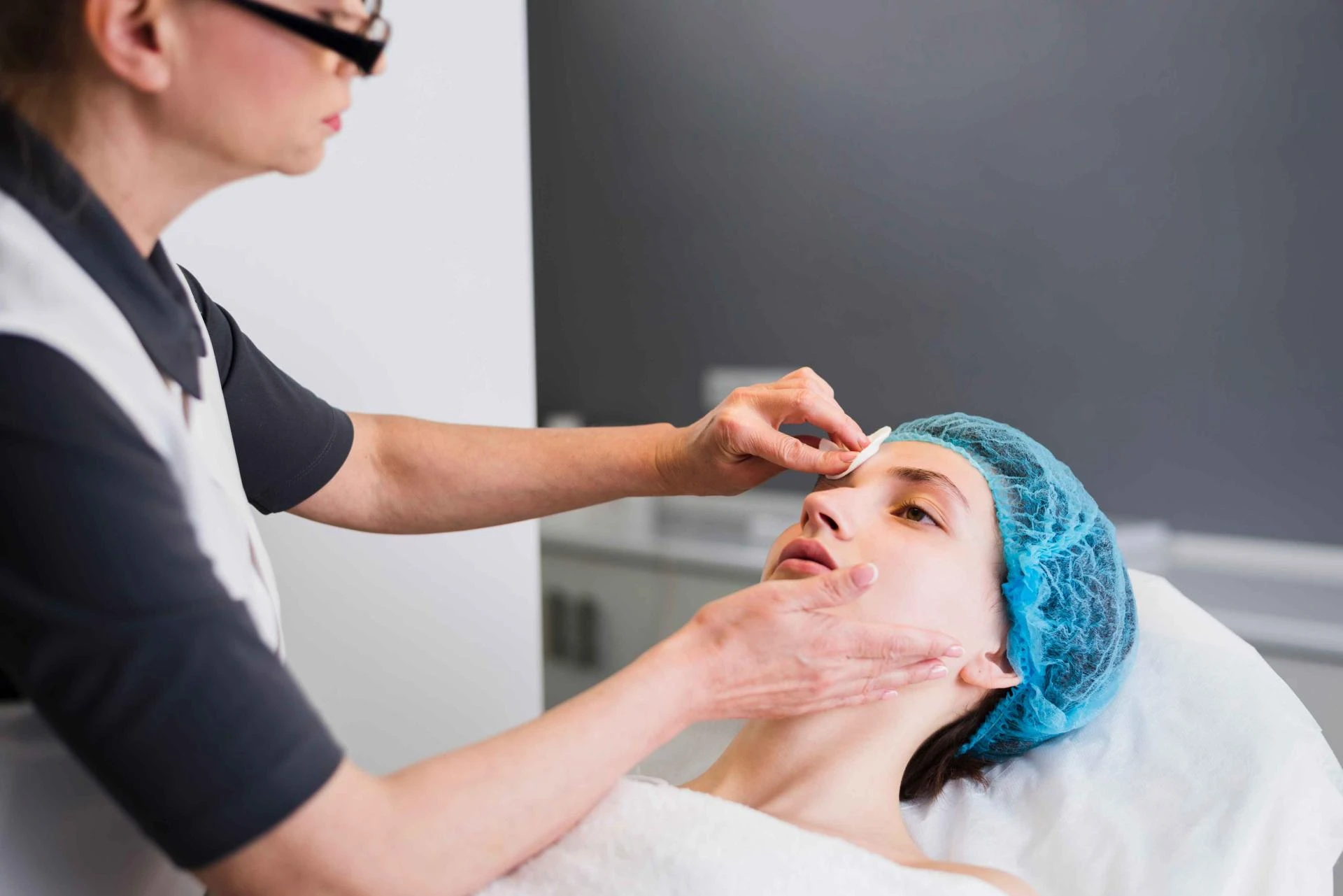
Chemical peels are a popular dermatology treatment used to improve skin texture and reduce mild to moderate acne scars. During the procedure, a chemical solution is applied to exfoliate the top layers of skin, encouraging cell turnover and collagen production. Over time, this helps smooth uneven skin and fade discoloration.
Superficial peels are ideal for mild scars and pigmentation, while medium or deep peels can target more noticeable textural issues. Chemical peels are often recommended as part of a series for best results and can be combined with other treatments for enhanced outcomes.
Microneedling for Collagen Stimulation
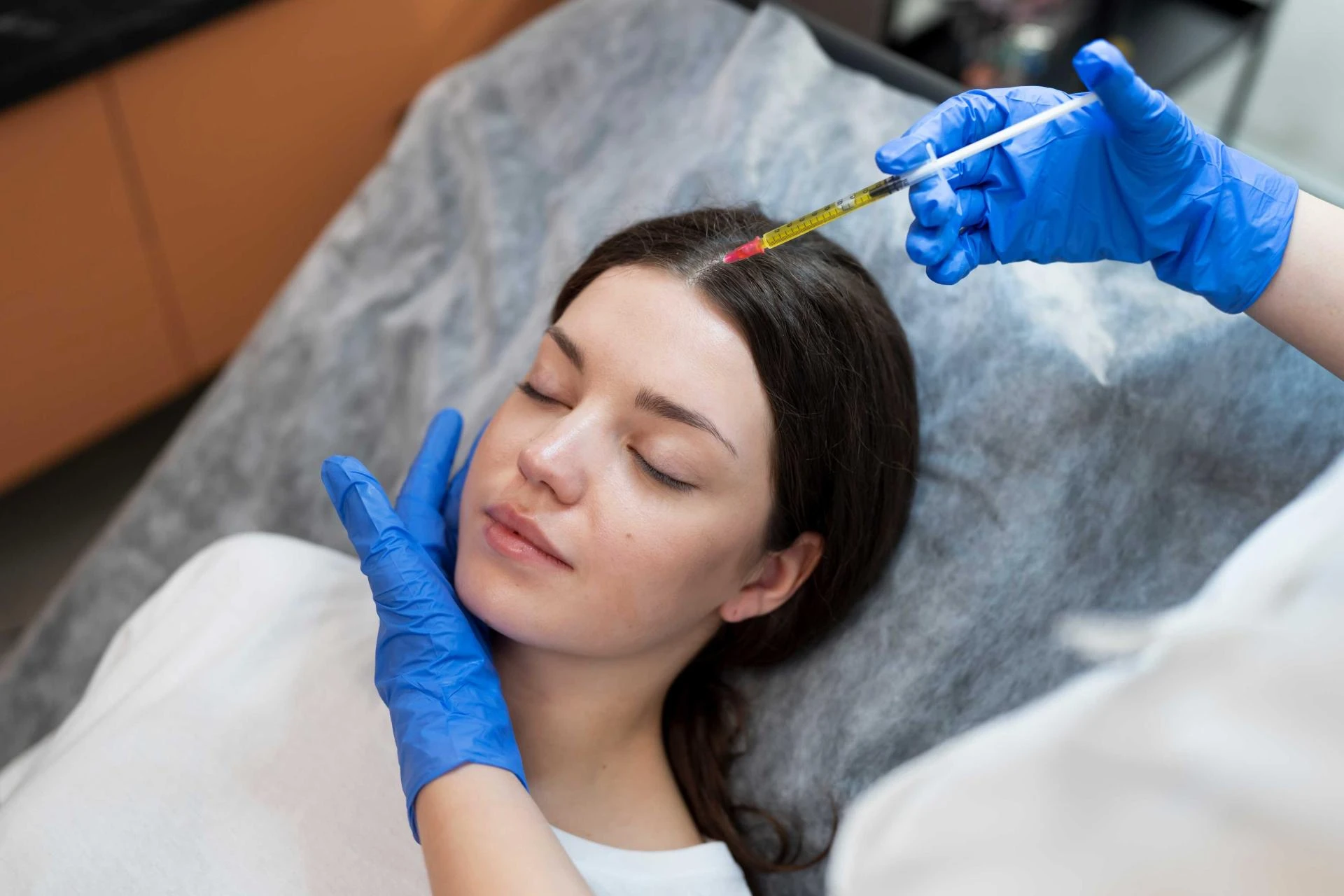
Microneedling is one of the most effective modern treatments for acne scars. It involves creating tiny micro-injuries in the skin using fine needles, which triggers the body’s natural healing process. As collagen and elastin production increases, acne scars gradually become less visible, and the skin appears smoother and firmer.
This treatment is suitable for various skin types and scar patterns, especially rolling and boxcar scars. Results improve over multiple sessions, making microneedling a preferred choice for patients looking for natural skin rejuvenation with minimal downtime.
Laser Treatments for Acne Scars
Laser therapy has revolutionized acne scar treatment by offering precise and targeted skin resurfacing. Different laser technologies work in different ways—some remove damaged outer skin layers, while others stimulate collagen production deep within the skin without affecting the surface.
Laser treatments are particularly effective for deeper scars and uneven skin tone. While some lasers require downtime, newer technologies allow faster recovery with impressive results. A dermatologist will recommend the most suitable laser option based on your scar type, skin condition, and goals.
Dermal Fillers for Depressed Scars
For certain types of acne scars, especially deep, sunken scars, dermal fillers can provide immediate improvement. Fillers work by lifting the depressed area of the skin, making scars less noticeable. While results are not permanent, they can last several months to a year depending on the product used.
Dermal fillers are often combined with other treatments such as microneedling or laser therapy to achieve more comprehensive and long-lasting results.
Prescription Skincare and Medical Treatments
Modern dermatology also includes medical-grade skincare products and prescription treatments that support scar reduction. Retinoids, vitamin C serums, and exfoliating agents help improve skin texture, boost collagen, and fade pigmentation over time. While these treatments work more gradually, they play a crucial role in maintaining results achieved through in-office procedures.
Consistent skincare, sun protection, and professional guidance are essential to prevent further scarring and protect treated skin.
Why Professional Evaluation Matters
Not all acne scars can be treated with a single solution. A professional evaluation helps determine the severity of scarring, underlying skin conditions, and the most effective treatment plan. Dermatologists and med spa professionals often recommend a combination approach to deliver optimal and long-lasting results.
Attempting self-treatment or relying solely on home remedies may delay progress and worsen scarring. Professional care ensures safe, evidence-based treatments tailored to your skin’s needs.
Conclusion
Reducing acne scars is now more achievable than ever with modern dermatology treatments such as chemical peels, microneedling, laser therapy, and dermal fillers. With the right combination of treatments and expert guidance, it is possible to significantly improve skin texture, tone, and confidence. If you are looking for advanced acne scar solutions, consulting a trusted Med Spa near me can help you start your journey toward smoother, clearer skin with personalized care.






















Sign in to leave a comment.