
Mould is a microscopic organism that requires: any organic material (such as wood or paper) to grow
Oxygen
Humidity
Eventually, mold destroys everything it grows on as it consumes the material and uses it as nutrients. When ripe, the mold releases small spores that move through the air; in some species, these spores contain mycotoxins and allergens. Some mycotoxins and allergens can affect our health and cause allergic reactions.
If your home suffers from black mold or another mold, you have one question: How to remove mould from walls? You want the best mold treatment and a quick and effective solution. You should always seek expert advice and trust an experienced professional. We at Buildware believe that mold is unsightly and destructive, and if left unchecked, it can seriously damage decorations, furniture, and fabrics, and degrade air quality.
Living in a property where mold is prevalent can be unhealthy, especially for the vulnerable; young children, the elderly, or people with weak or weakened immune systems. Mold needs access to a constant source of moisture to thrive. At home, it usually occurs as a wet spot on the wall, caused by condensation from a flowing pipe or our lifestyle.
Cooking, bathing, drying clothes indoors, and breathing without proper ventilation add extra moisture to the air. Drops can form on interior surfaces such as mirrors, windowsills, and walls, especially when they are cold.
Why do you have mould on the walls?
It usually grows in humid and warm conditions without much airflow, which is why home bathrooms and attics often suffer from mold. Often the cause is simply damp conditions and a lack of ventilation, but sometimes mold on the walls can be caused by leaking pipes both inside and outside the property. Poorly insulated heating pipes can also cause moisture to accumulate behind the walls.
The presence of mold on the walls of the bedroom can be a real problem and you wonder How to remove mould from the walls. Mold in bedrooms is usually caused by condensation or high humidity, usually due to weather conditions. The reason may be poor ventilation and humidity.
Be sure to check windows or drain pipes for cracks that could be causing moisture to collect. Always follow the instructions carefully when using special molds and cleaners. Protect yourself by wearing safety glasses, gloves, and a face mask if necessary, and test the product on a small area before proceeding.
How can I remove mould from walls?
When removing black mold from walls, we recommend using a specially designed mold wash concentrate instead of bleach. Mold Wash is a fungicidal conditioner that removes mold and works on a variety of surfaces including tiles, wood, and painted surfaces. Bleach simply wipes the mold off the surface instead of killing it.
If you were wondering how to remove Mould from walls? Using uniform washing is simple and very effective:
Prepare surfaces by removing loose material such as peeling paint or wallpaper with a stiff brush. Make sure the surface is smooth. Wash the prepared area with diluted mold cleaning concentrate and a sponge. Allow the area to dry thoroughly. Reapply the diluted mold cleaning concentrates too heavily soiled areas and allows drying.
Removing mold from painted plaster wallsThe above method is suitable for all shapes on painted plaster walls. However, it is important to pay attention to the pre-treatment of the surface, because mold can cause the peeling of the painted plaster.
Plasterboard wallsIt is a common myth that bleach removes mold from drywall. Because drywall is built in layers, bleach or even mold cleaning will only remove the mold from the surface. The main problem is active mold growth through the drywall. Unfortunately, the only way to get rid of mold permanently is to replace the drywall.
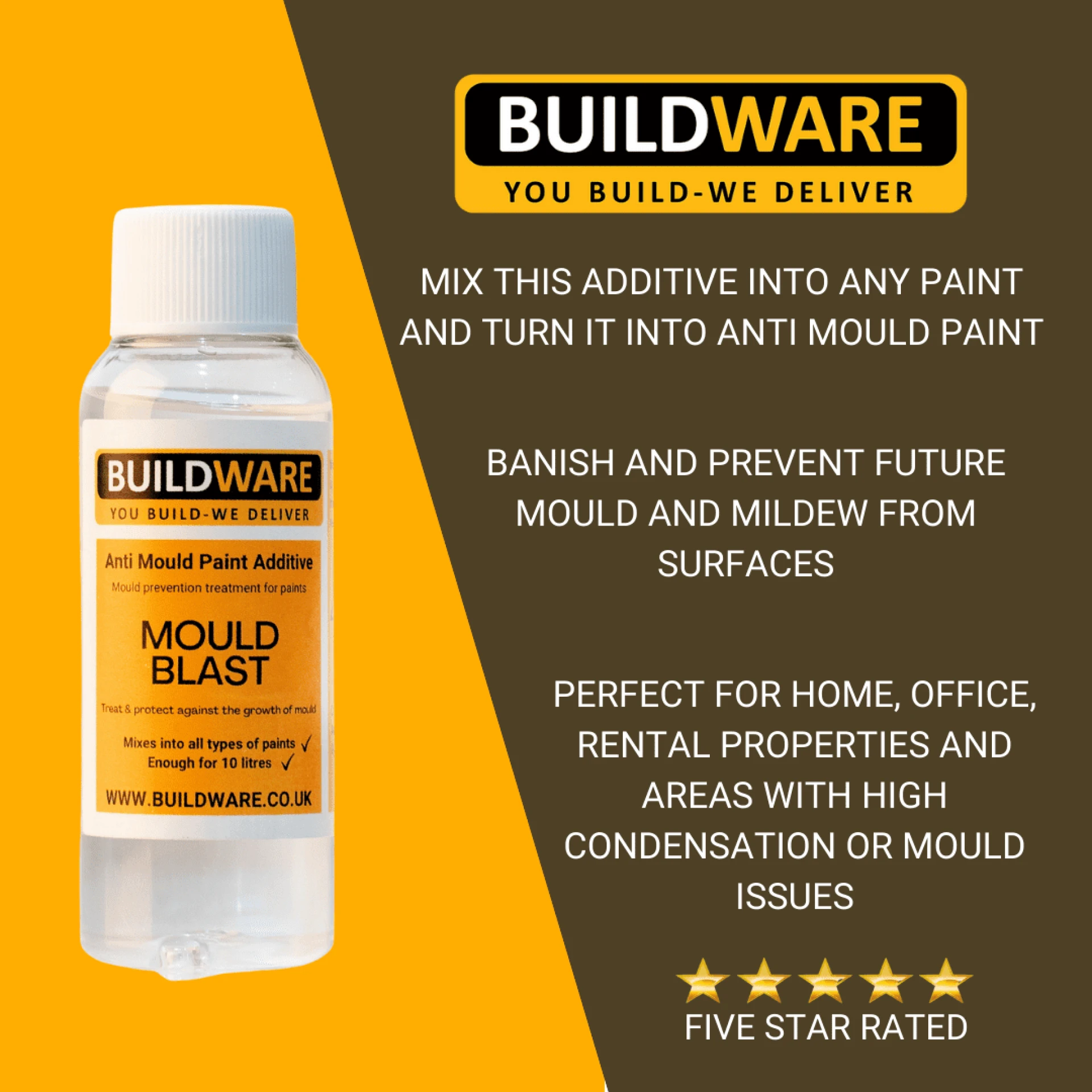
Mold Removal Kits and ProductsIf you are a first-time molder, our removal kit is ideal. It includes everything you need to remove mold, even a bucket! The series includes the following professional products:
Uniform wash concentration Anti-mold color additive Bucket A mushroom Mask Gloves GlassesHow to prevent mold?
Once you've completely removed the mold with mold, there are a few simple ways to prevent it from coming back.
First, you can follow our advice to reduce condensation. But to protect walls or ceilings (which is especially important in a bathroom or kitchen), you can paint with anti-mold paint. Make sure all mold is removed and the surface is clean and dry. Apply the paint to the moldy area. If the paint colors are not the same, you may need to cover the entire wall or ceiling. Allow the first coat to dry according to the manufacturer's instructions. Apply another layer.Remember: You cannot paint with anti-mildew paint, as this will prevent mold from forming. If the paint colors don't match, you'll have to paint the entire surface or live with spot painting.










Sign in to leave a comment.