
Are you searching for a solution to the problem of How to Remove Mould from Walls? If your home has mould due to condensation and humidity, it is critical to recognize that bleach and household goods are ineffective mould removal solutions. Mould is a microscopic organism that requires conditions like Any organic substance (for example, wood or paper), Oxygen, and Moisture to thrive. Mould eventually destroys whatever it grows on because it consumes and uses the material for nourishment. Mould releases small spores that spread through the air as it matures; in some species, these spores include mycotoxins and allergens. Mycotoxins and allergens are substances that can harm our health and induce allergic reactions.
Moulds are unsightly and destructive, and if left unchecked, they can seriously damage decorations, furniture and fabric, as well as degrade air quality. Living in a property where mould is prevalent can be unhealthy, especially for the vulnerable; young children, the elderly or people with weak or compromised immune systems. For mould to thrive, it needs access to a constant source of moisture. At home, this is usually a wet spot on the wall, caused by a leaky pipe or condensation from our lifestyle. Cooking, bathing, drying clothes indoors and breathing without proper ventilation add extra moisture to the air. Drops can form on interior surfaces such as mirrors, window sills and walls, especially when they are cold.
Mould Treatment
When removing mould, it's important to protect yourself from spores by wearing safety glasses, long rubber gloves, and a mask that covers your nose and mouth. Open windows but keep doors closed to prevent spores from spreading to other parts of the house.
Have a Plastic bag ready to remove all mouldy furniture, clothes, and soft toys. Soft furnishings should be shampooed and clothing professionally dry cleaned.Fill the bucket with water and a mild detergent such as dishwashing liquid or hand soapGently wipe the mould off the wall with a cloth soaked in soapy water. When you are done, use a dry cloth to remove any moisture from the wallAfter that, put the rags in a plastic bag and throw them awayAll surfaces in the room must be thoroughly cleaned with either a wet mop or a vacuum cleaner to remove spores.Tips to prevent mould
Check that the windows are letting rain in and that the seal around them is damaged. Always dry wet areas immediately. Wipe up spills and make sure floors and walls are dry after a bath or shower. A hygrometer, available at most DIY stores, is the best way to measure the humidity in your home. Ideally, the humidity should be 30-60%. If it is higher, the risk of condensation and mould will increase.Leaks are usually caused by broken gutters or drain pipes. Don't forget to check the exterior of your house regularly. Finally, it is important to allow air to circulate throughout the home. Keep interior doors open as much as possible and move furniture away from walls. On dry days, open the windows to let fresh air into the home, which reduces humidity and thus helps prevent mould.How to clean mould from walls in three steps?
Soapy water and traditional cleaning products are not effective enough to fight mould. so you need mould spray. However, a bleach and water solution can be effective against mould. Protect yourself by wearing safety glasses, gloves and a face mask if necessary and test the product on a small area before proceeding.
Use four parts water and one part bleach mixture. Gently wipe and scrub the mould until it disappears. Finally, wipe off the bleach mixture and dry the area with a very soft cloth.Mould remediation is not a permanent solution. If you don't treat the cause of the mould, it will grow back quickly. With the above three steps, do you find the perfect solution for your problem of How to Remove Mould from Walls? Well, we hope you do.
Do you need assistance with mould issues?
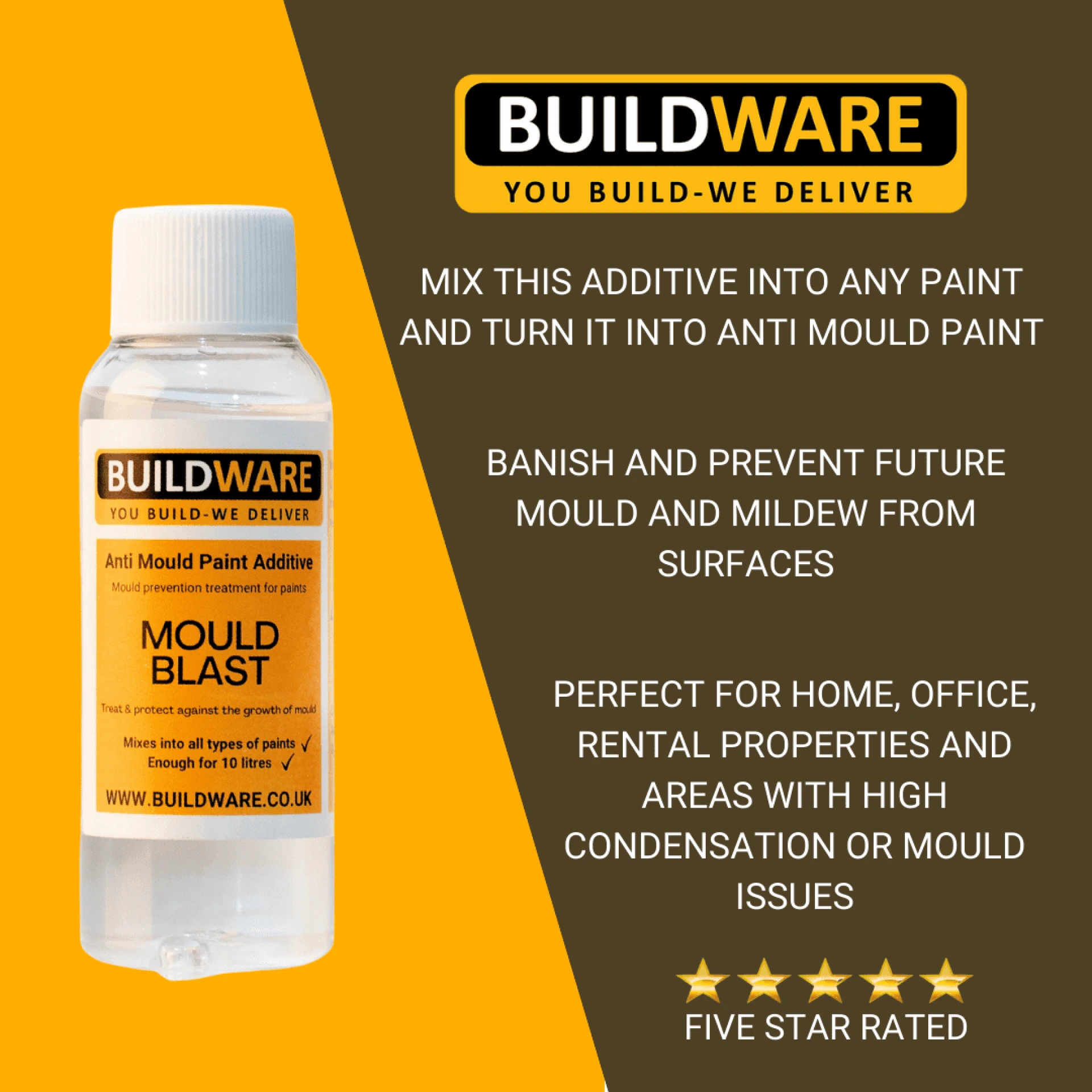
One of our local experts at Buildware in Barking, Essex, UK will contact you to learn more about your issues, provide free expert advice, and make recommendations for long-term solutions. We will conduct a free survey to check for any condensation, dampness, or mould issues in your home. We also check the relative humidity levels by taking readings and identifying any underlying issues and recommendations for long-term solutions.










Sign in to leave a comment.