
Removing old insulation in your home is a task that demands careful planning, protective equipment, and safe disposal practices. Whether you're upgrading your insulation or addressing contamination issues, it's critical to evaluate the material type, possible hazards like asbestos or mold, and the removal method required. Start by identifying the insulation type and preparing the workspace with proper ventilation and safety gear. If hazardous materials are suspected, hire a professional contractor for removing old insulation.
This guide will teach you how to remove insulation safely, outlining best practices, technical details, and legal disposal options. Learn how to handle different insulation types, avoid exposure to harmful substances, and complete your project confidently.
Types of Insulation Commonly Found in Homes
Identifying the insulation material is the first step. Some types pose health risks and require certified handling, while others can be removed using standard safety measures.
Common Insulation Types and Risks
Pre-Removal Preparations
Conduct a Hazard Assessment
Start by evaluating the condition of your current insulation:
- Age of Home: Homes built before 1990 may contain asbestos in vermiculite.
- Signs of Contamination: Check for mold, moisture damage, rodent droppings, or odor.
- Material Testing: Send a small sample to a lab for asbestos analysis before disturbing it.
Step-by-Step Insulation Removal Process
Each insulation type requires a tailored removal approach to ensure safety and effectiveness.
Removing Batt and Rolled Insulation
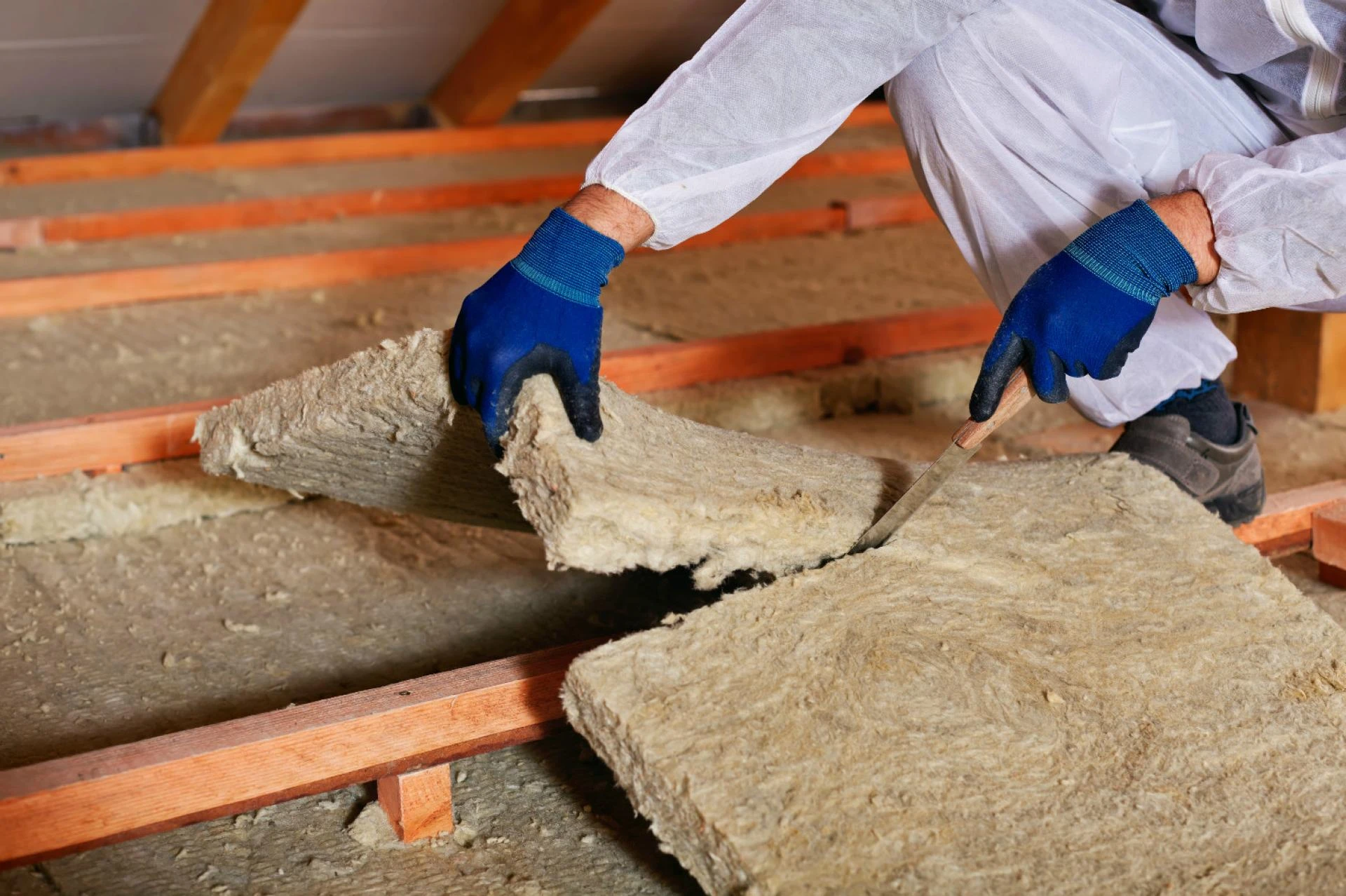
Fiberglass or mineral wool batts are common in older attics and walls. These can be removed manually with proper PPE.
- Ventilate the Area: Open windows or create negative air pressure using exhaust fans.
- Work in Sections: Start from the farthest point and move backward.
- Cut and Roll: Cut batts into smaller pieces using a utility knife and roll them for easier handling.
- Bag Properly: Double-bag the removed insulation and seal tightly before moving it out.
Removing Loose-Fill and Cellulose Insulation
This type is usually found in attics or wall cavities.
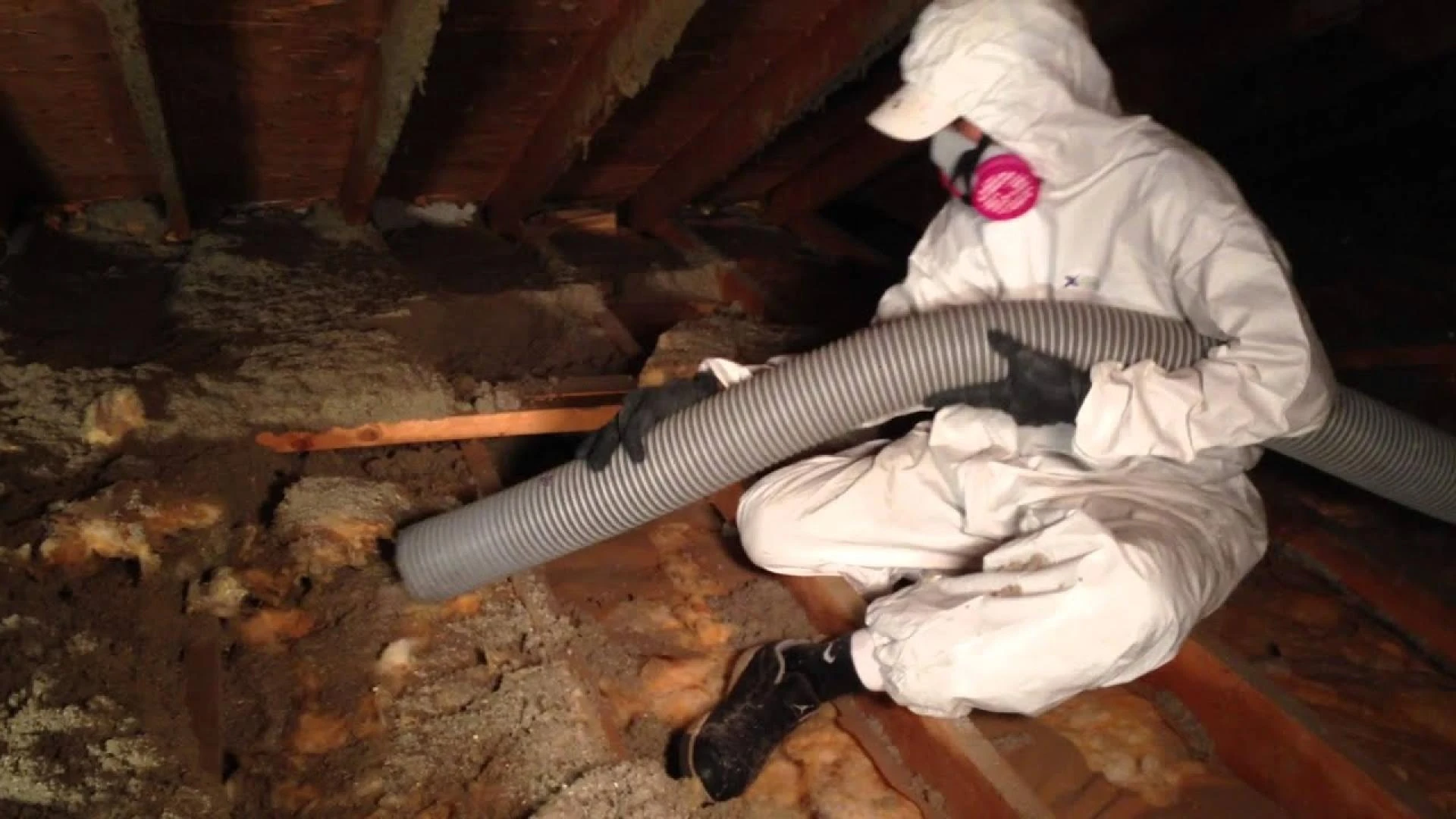
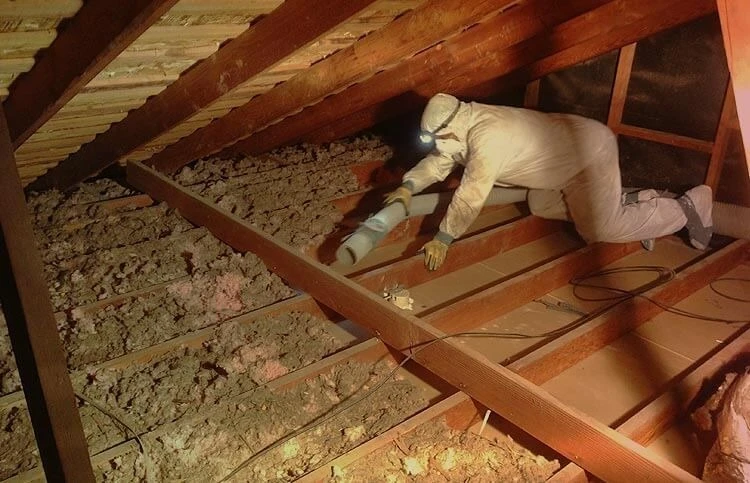
- Set Up Industrial HEPA Vacuum: Use a high-capacity vacuum with long hoses.
- Vacuum Methodically: Begin at one corner and work evenly across the surface.
- Dispose Correctly: Collect insulation in vacuum-safe bags and follow disposal regulations.
Bonus Tip: Wear double-layered gloves for extra protection when handling cellulose or fiberglass.
Removing Foam Board and Spray Foam Residue
Rigid foam board can be pried off manually, while spray foam often requires more caution.
- Foam Board: Use a pry bar or putty knife to gently loosen boards. Cut large sheets for manageable removal.
- Spray Foam: If removal is essential (e.g., during remodeling), use a handsaw or oscillating tool with a HEPA vacuum on standby to capture debris.
Warning: Avoid sanding or sawing foam in poorly ventilated areas—it can release chemical dust.
Key Factors Before You Start
Before deciding to proceed with removal, ask yourself the following:
Things to Consider Before Making a Decision
- Hazardous Materials: Do you suspect asbestos, mold, or animal infestation?
- Project Scope: Are you removing insulation from one room or an entire house?
- Physical Capability: Do you have the stamina and equipment to work in confined spaces?
- Waste Management Access: Can you legally transport and dispose of the material?
- Replacement Timeline: Will new insulation follow immediately, or is there a delay?
Common Questions About Old Insulation
What are signs that insulation needs to be removed?
If your insulation is wet, moldy, smells bad, falling apart, or visibly contaminated with rodent droppings, it should be removed.
Is it illegal to remove asbestos insulation yourself?
Yes, in many regions it is illegal and unsafe. Always consult licensed asbestos abatement professionals.
Can I install new insulation over old?
In most cases, no. Old insulation can trap moisture and lower the efficiency of new materials. Removal ensures long-term performance.
How do I handle pest-infested insulation?
Wear full PPE. Remove all contaminated sections. Sanitize exposed wood or drywall using an antimicrobial cleaner.
Topic FAQ
Do I need permits to remove insulation?
Permit requirements vary. You usually don’t need one for small, non-hazardous removal, but asbestos-related work always requires it.
What insulation materials are hazardous?
Vermiculite may contain asbestos. Moldy cellulose or fiberglass can cause respiratory problems. Always test when in doubt.
Can I reuse clean insulation?
Typically, no. Most insulation loses its R-value and structural integrity when removed. Always check local code and performance standards.
How long does the process take?
A 1,000 sq. ft. attic with batt insulation may take 6–10 hours with proper equipment. Loose-fill requires longer with vacuuming.
Can I dispose of insulation in household trash?
No. Use contractor bags and take it to an approved disposal or transfer station. Check with local regulations before beginning.
Make the Right Decision
Removing old insulation is a significant task that should be approached with awareness and preparation. The right decision depends on the type of insulation, presence of hazardous materials, your comfort level with protective gear, and access to legal disposal options. Use the information in this guide to assess your insulation, prepare your work area, and remove material safely. When in doubt, protect your health and property by contacting certified professionals.










Sign in to leave a comment.