

Tooth pain can disrupt your life, making it hard to eat, sleep, or even smile comfortably. The thought of needing a tooth extraction can add more stress, especially when cost becomes a concern. Many Americans delay necessary dental treatment simply because they aren’t sure if Medicaid will cover it or how to begin the process. This uncertainty can lead to worsening dental issues and higher expenses later on. That’s why understanding how to secure Medicaid for tooth extraction efficiently is so important. With the right knowledge and preparation, you can get the care you need without long delays or financial strain, ensuring your oral health stays on track.
Understanding Medicaid Coverage for Tooth Extraction
When facing a painful or damaged tooth, knowing how Medicaid works for dental procedures is essential. Medicaid is a state and federally funded program that provides medical and dental assistance to eligible low-income individuals. Coverage varies by state, but most programs include essential dental care, especially when the treatment is considered medically necessary. For adults, emergency extractions and procedures that prevent infection or further complications are often covered.
Medicaid evaluates your dental needs based on medical necessity, meaning the extraction must be required to protect your health, not just for cosmetic reasons. This ensures that those who truly need urgent dental attention can access it without excessive financial burden. Understanding this distinction helps patients plan their care effectively and avoid unnecessary delays.
Key points to remember:
- Medicaid dental coverage differs by state.
- Tooth extractions are usually covered when medically necessary.
- Cosmetic or elective dental work may not be included.
- Children’s coverage is broader under federal guidelines.
- Always confirm coverage before scheduling treatment.
Steps to Qualify for Medicaid Tooth Extraction
Before scheduling your appointment, it’s important to confirm your Medicaid eligibility. Each state sets its own income limits and criteria, so checking with your state’s Medicaid office or website is the best first step. Applicants typically need to provide proof of income, identity, and residency. Once approved, you’ll receive a Medicaid card, which allows you to visit approved dental providers for covered services.
After gaining approval, the next step is to find a dental office that accepts Medicaid. Some clinics specialize in treating Medicaid patients and offer same-day or emergency tooth extraction Medicaid appointments. Contacting these clinics early helps you understand wait times, coverage details, and any necessary paperwork. Being proactive can save days, or even weeks, of waiting time.
What you’ll need to apply:
- Proof of income (recent pay stubs or tax return).
- Valid identification (driver’s license or ID card).
- Proof of residency (utility bill or lease agreement).
- Current Medicaid application or renewal paperwork.
Why Acting Quickly Matters for Dental Health
Delaying dental treatment can turn a small cavity or cracked tooth into a serious infection. When left untreated, an infected tooth can cause swelling, pain, and even systemic issues like fever or jaw complications. Medicaid’s coverage for emergency dental care exists to prevent these problems from escalating. By acting quickly, you not only avoid discomfort but also reduce the chance of more invasive treatments later.
Many patients wait too long to seek help because they assume the process is complicated. However, once you understand the coverage options, scheduling a Medicaid tooth extraction becomes much easier. Quick action can mean same-day treatment in some cases, ensuring your oral health is restored efficiently and safely.
Benefits of timely treatment:
- Prevents infections and worsening pain.
- Avoids higher dental costs later.
- Preserves surrounding teeth and bone structure.
- Restores normal eating and speaking function.
- Improves overall health and comfort.
Choosing the Right Dental Provider for Medicaid Patients
Not all dental offices accept Medicaid, so finding the right provider is essential. Look for clinics with clear Medicaid experience, affordable payment options, and compassionate staff. Clinics that focus on extractions and denture services often streamline their Medicaid process, minimizing paperwork and delays. Reading reviews or asking for recommendations can also help you find trusted providers in your area.
Some providers offer specialized services for Medicaid patients, including quick approvals and low-cost emergency care. They may also provide additional treatments like dentures, cleanings, or wisdom tooth removal at discounted rates. The key is to choose a clinic that not only accepts Medicaid but also values your time and comfort throughout the procedure.
When choosing a provider, look for:
- Experience with Medicaid billing and paperwork.
- Transparent pricing for any non-covered services.
- Availability for emergency appointments.
- Positive patient reviews and professional credentials.
- Convenient location and operating hours.
What to Expect During a Medicaid Tooth Extraction Appointment
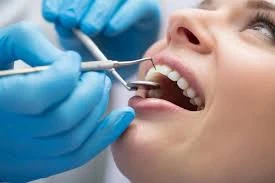
Knowing what happens during your visit can make the process less stressful. Your appointment usually begins with a dental exam and X-rays to evaluate the tooth and surrounding area. If extraction is necessary, your dentist will discuss anesthesia options and explain each step. Medicaid typically covers local anesthesia, though advanced sedation may require additional approval depending on the case.
The actual extraction process is quick; most procedures take less than an hour. Afterward, your dentist provides post-care instructions, including pain management and hygiene tips. If you’re getting multiple teeth removed, your provider may discuss partial dentures or other restoration options that align with tooth extraction Medicaid coverage. Understanding these details ahead of time helps you feel confident throughout your care.
Before your appointment:
- Bring your Medicaid ID card and personal identification.
- Ask about anesthesia coverage in advance.
- Arrange for a ride home if sedation is used.
- Follow pre-visit instructions, like fasting if required.
- Prepare questions about post-extraction care.
Managing Recovery After Medicaid Tooth Extraction
Recovery plays a major role in preventing complications. Most patients experience minor soreness or swelling for a few days after extraction. Following your dentist’s care instructions, such as avoiding hard foods and smoking, can speed healing. Using a cold compress and prescribed medication can also help control pain.
Proper follow-up care ensures you don’t experience infection or dry socket. Many Medicaid-covered clinics schedule a free or low-cost follow-up visit to check your healing progress. If dentures are needed later, your provider can guide you through the next steps of fitting and coverage options, keeping your dental journey affordable and complete.
Tips for faster recovery:
- Keep the extraction area clean, but avoid vigorous rinsing.
- Eat soft foods like soup or mashed potatoes for several days.
- Avoid using straws, as suction may disrupt healing.
- Attend follow-up appointments for proper monitoring.
- Report unusual pain or bleeding immediately.
Conclusion
Understanding how Medicaid works can transform your dental experience from stressful to simple. By knowing your coverage, preparing documents, and choosing the right provider, you can secure treatment without delay or confusion. Acting early ensures your smile stays healthy, your pain is managed, and your costs remain under control. Medicaid makes quality dental care possible for millions of Americans every year, so use it wisely and confidently.
Schedule your Medicaid tooth extraction today with The Denture Club Boise and experience compassionate, affordable care that restores your comfort and confidence without delay.
Frequently Asked Questions
1. Does Medicaid cover all types of tooth extractions?
Medicaid typically covers extractions that are medically necessary, such as removing infected or damaged teeth. However, cosmetic or elective extractions may not be included under basic plans.
2. Can I choose any dentist for Medicaid tooth extraction?
You must visit a provider who accepts Medicaid. Always confirm this before your appointment to ensure the procedure is fully covered.
3. How soon can I get an appointment for a tooth extraction with Medicaid?
Appointment times vary by clinic, but many providers offer same-day or next-day emergency care. Booking early improves your chances of quick treatment.



























Sign in to leave a comment.