

When designing lighting infrastructure for factories and large warehouses, choosing the right industrial led luminaires is critical for long-term durability. Industrial spaces subject equipment to continuous vibration, dust, and moisture. To prevent early equipment failure, engineering specifications must prioritize structural parameters over basic wattage.
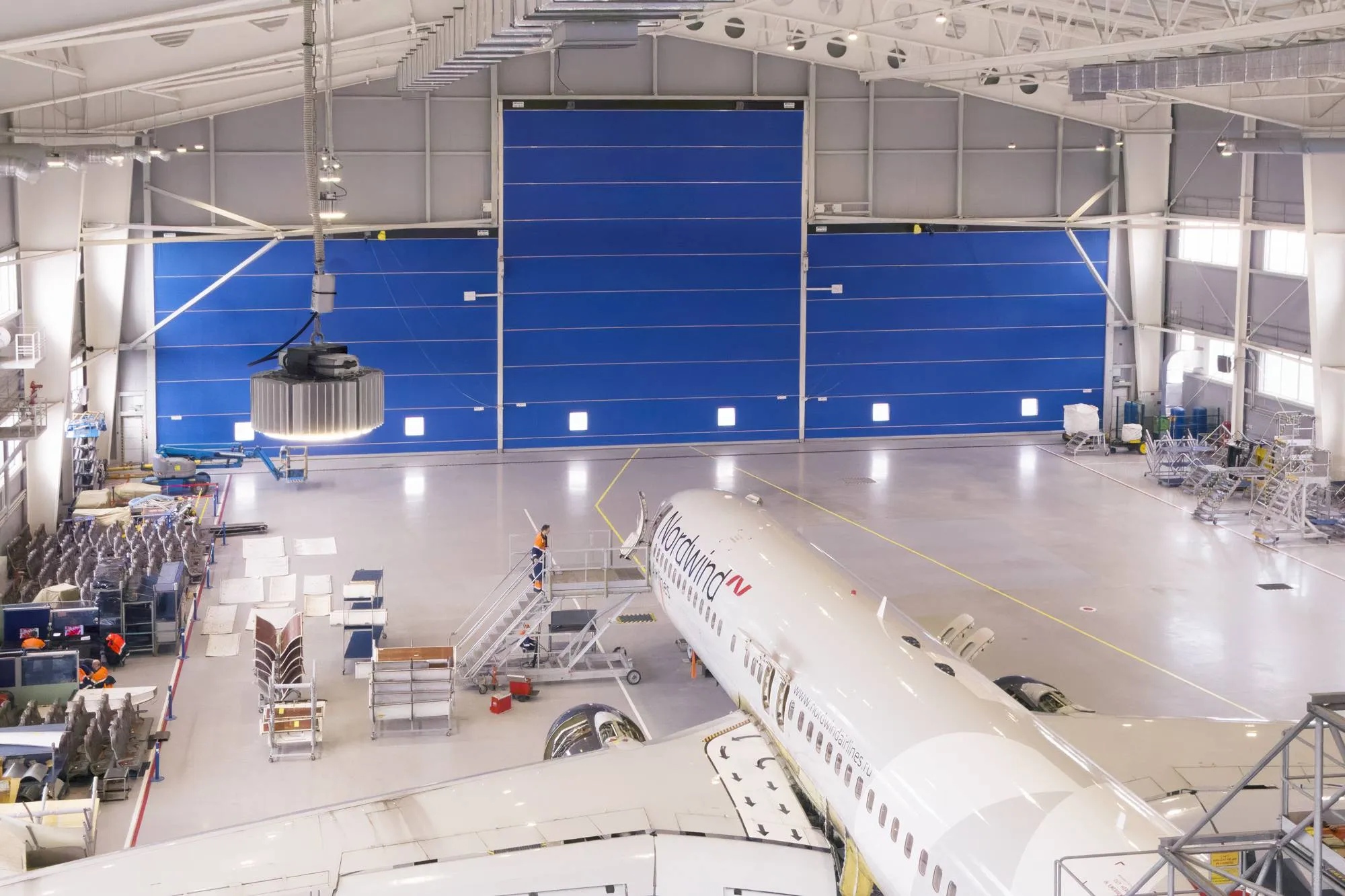
Key Factors for Industrial LED Luminaires
When preparing technical documentation, electrical engineers must analyze the physical design of the fixture. Industrial environments demand hardware that can maintain stable performance under heavy stress.
1. Thermal Management
Efficient heat dissipation is critical for diode life. High-quality luminaires rely on robust housings made of die-cast aluminum. This configuration prevents the rapid degradation of internal electronics.
2. Ingress Protection
Dust, moisture, and chemical vapors will quickly destroy standard commercial fixtures. Industrial equipment requires high IP ratings to ensure internal components remain completely sealed.
Engineering Standard Note
"Deploying unverified lighting equipment in manufacturing environments leads to higher maintenance costs. It also increases the risk of sudden failures during critical work shifts."
Technical Comparison of Fixture Standards
To illustrate why standard commercial products are unsuitable for heavy-duty applications, consider the material differences outlined in the technical table below:
Structural Parameter | Commercial Lighting Panels | Heavy-Duty Industrial Luminaires
- Housing Construction: Thin plastic or sheet metal | Thick die-cast or extruded aluminum radiators
- Ingress Protection: IP20 / IP40 (No moisture sealing) | IP65 / IP67 (Dust-tight and waterproof)
- Impact Resistance: No verified IK rating | IK10 (High resistance to mechanical impacts)
- Operating Temperature: Limited from -10°C to +40°C | Severe resilience from -60°C up to +50°C
- Optical Diffuser: Standard polystyrene | Tempered borosilicate glass or stabilized polycarbonate

Obtaining Verified Photometric and Engineering Data
Accurate project execution depends heavily on the quality of initial data. To guarantee compliance with technical regulations, engineers require verified IES files for precise DIALux calculations.
For instance, professional project teams frequently collaborate with specialized manufacturers like PromLED industrial LED luminaires. This brand provides full-cycle development of robust lighting systems. Direct cooperation with a technical manufacturer ensures access to factory-backed support and honest photometric datasets.
Prioritizing strict mechanical engineering standards, robust materials, and comprehensive factory warranties is the only reliable path to building an energy-efficient, safe, and sustainable industrial lighting network.






















Sign in to leave a comment.