
In a world filled with constant noise, the need for tranquility within one’s home has never been more critical. Soundproofing walls is a vital strategy for creating a peaceful environment, whether for personal relaxation, focused work, or quality family time.
To achieve effective sound insulation for walls, it is essential to understand the principles of soundproofing and the various materials and techniques available.
Understanding Sound and Its Transmission
Before delving into the methods of soundproofing, it is important to comprehend how sound travels. Sound waves are vibrations that move through air, walls, and other materials. When these waves hit a surface, they can either be absorbed, reflected, or transmitted through the material. The goal of soundproofing is to minimize the transmission of sound from one room to another, thereby enhancing the acoustic comfort of the space.
There are two types of sound: airborne sound and impact sound. Airborne sound includes voices, music, and noise from appliances, while impact sound is created from physical actions like footsteps or furniture movement. Effective insulation should address both types of sound.
Choosing the Right Insulation Materials
The selection of insulation materials plays a crucial role in soundproofing walls. Various options are available, each with its unique properties. Some of the most effective materials for sound insulation include:
- Mass-Loaded Vinyl (MLV): This heavy, flexible material is designed to block sound waves effectively. It can be added to existing walls or used in new constructions to enhance soundproofing.
- Acoustic Panels: These panels are specifically designed to absorb sound, reducing echo and reverberation in a room. They can be mounted directly onto walls and come in various designs and colors, making them both functional and aesthetically pleasing.
- Rockwool or Fiberglass Insulation: Both materials are excellent for sound absorption. They can be installed within wall cavities, significantly reducing sound transmission.
- Double Drywall with Soundproofing Compound: Adding an extra layer of drywall, combined with a soundproofing compound, creates a barrier that minimizes sound transfer. This method is particularly effective in residential settings where noise reduction is a priority.
- Green Glue: This viscoelastic damping compound is applied between two layers of drywall, effectively reducing sound transmission by converting sound energy into heat.
By carefully selecting and combining these materials, homeowners can create a highly effective soundproofing solution for their walls.
Installation Techniques for Optimal Soundproofing
The effectiveness of sound insulation for walls is not solely dependent on the materials used but also on the installation techniques employed. Proper installation ensures that soundproofing materials function as intended. Here are some essential techniques:
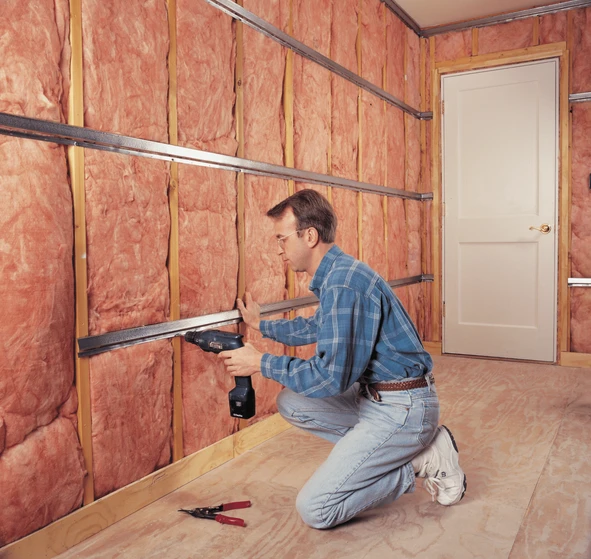
- Decouple the Walls: One of the most effective methods for soundproofing is to decouple the wall assembly. This can be achieved by using resilient channels, which create a separation between the drywall and the wall studs, reducing the direct transmission of sound.
- Seal Gaps and Cracks: Sound can easily travel through small openings. Sealing gaps around electrical outlets, windows, and doors with acoustic caulk is crucial. This prevents sound leaks and enhances the overall soundproofing effectiveness.
- Install Insulation Within Wall Cavities: When constructing or renovating, installing sound-absorbing insulation within the wall cavities is essential. This reduces both airborne and impact sounds, providing a more serene indoor environment.
- Use a Soundproofing Barrier: In addition to traditional insulation, using soundproofing barriers can further enhance wall soundproofing. These barriers can be installed directly over existing drywall to create an additional layer of sound resistance.
- Consider the Floor and Ceiling: Soundproofing walls alone may not be sufficient. Addressing sound transmission through floors and ceilings is equally important. The use of soundproofing underlayment beneath flooring materials and insulation between ceiling joists can significantly improve overall sound insulation.
Maintaining and Improving Soundproofing Efforts
Once the walls have been soundproofed, ongoing maintenance and potential improvements should be considered. Over time, wear and tear can affect the performance of soundproofing materials. Here are some tips to maintain and enhance sound insulation:
- Regularly Inspect for Gaps: Periodically check for any new gaps or cracks that may have developed over time. Promptly sealing these can prevent unwanted noise from entering the space.
- Reevaluate Insulation Materials: If noise levels persist, it may be worth reevaluating the insulation materials used. Upgrading to higher-quality products or adding additional layers can significantly improve soundproofing.
- Incorporate Soft Furnishings: Adding carpets, rugs, curtains, and soft furniture can absorb sound within a room, further enhancing the soundproofing effect.
- Consult Professionals: If soundproofing remains a challenge, consulting with professionals who specialize in acoustics can provide tailored solutions and expert advice.
Conclusion
In summary, soundproofing walls is an essential endeavor for creating a peaceful and comfortable living environment. By understanding the principles of sound transmission, selecting the right insulation materials, and employing proper installation techniques, homeowners can achieve effective sound insulation for walls.
For those looking to enhance their soundproofing efforts, Insulation King offers a variety of high-quality insulation products and expert guidance to ensure your home remains a haven of tranquility. With the right tools and knowledge, achieving the perfect soundproofed space is within reach.


























Sign in to leave a comment.