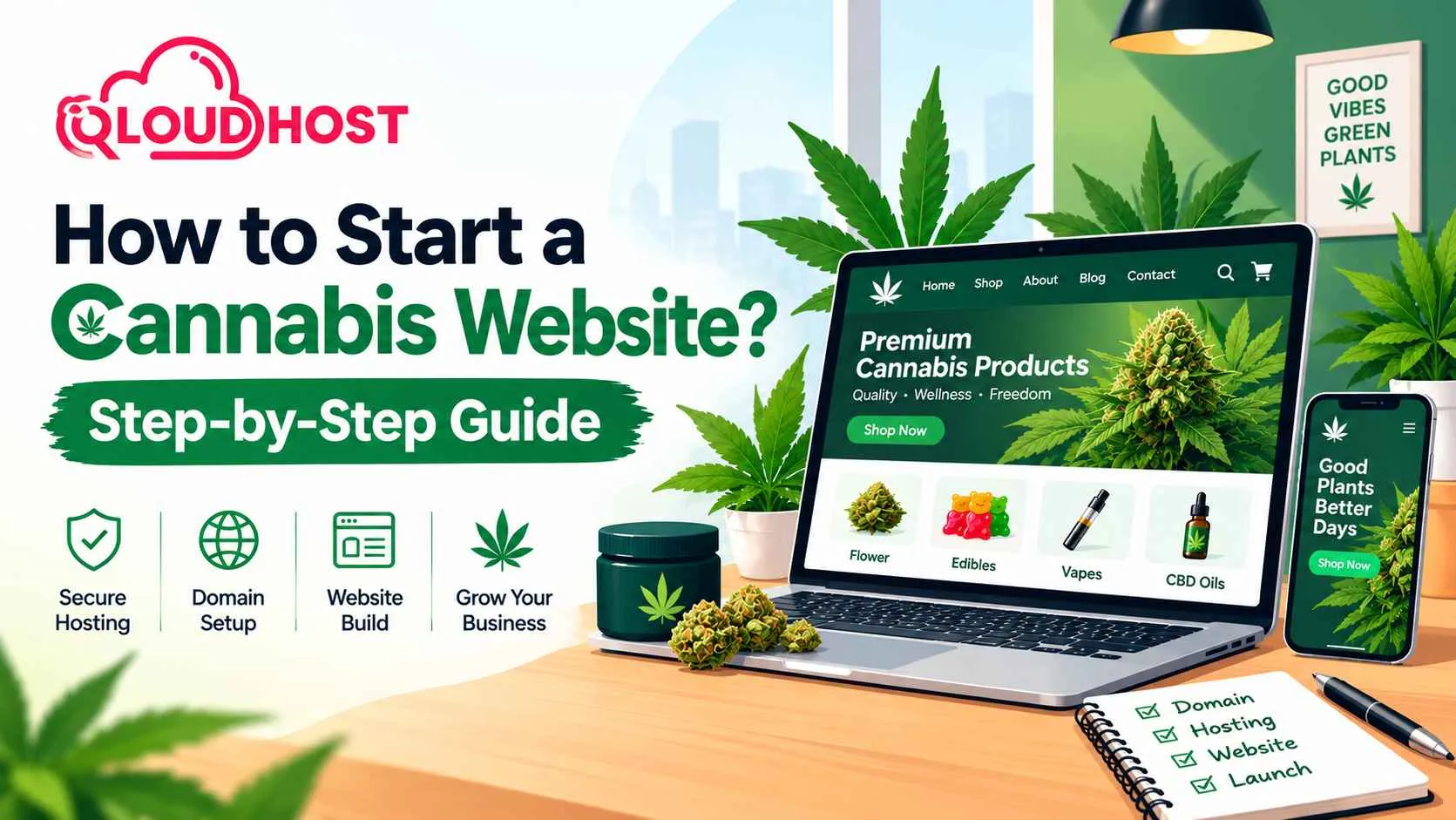


Before jumping into the step-by-step process of how to start a cannabis website, let's stop for a moment and understand why someone would even want to start one. Is there really a market for it? Can you actually attract customers if you open an online cannabis store? The truth might surprise you.
The cannabis industry is growing rapidly, and more people are searching online for products and trusted brands than ever before. So before we dive into the "how," let's understand why starting a cannabis website is an opportunity worth taking.
Cannabis (also called marijuana) is a plant with psychoactive properties that is used both recreationally and medicinally, depending on the laws of the country or state you're in. A lot of people search online to buy cannabis products through licensed platforms and read blogs on cannabis to learn more about its medicinal effects on their health.
So yes, you'll get a solid audience if you start a cannabis website. But the question is how. In this blog, we're going to walk you through the entire process from scratch, the right way.
⚠️ Heads up: Many people who already run cannabis websites end up getting takedown notices or having their sites flagged. This usually happens because they either skip proper licensing, ignore local regulations, or operate in regions where cannabis sale and distribution are outright illegal. A cannabis website built on compliance is a genuine business opportunity. A cannabis website built on evasion is a website with a short lifespan.
That's why, by the end of this blog, we'll also talk honestly about hosting choices, including one option you should be cautious about. So let's get into it.
What Are Cannabis Websites?
Cannabis websites are online platforms that share information, provide services, and sell products related to cannabis (also called marijuana).
These websites typically fall into two categories: blogging or informational websites that talk about cannabis products, their effects, medical uses, and industry news, and online stores that sell cannabis or CBD products, usually through licensed dispensaries or verified partners.
A cannabis website could be a blog that reviews cannabis strains and explains their effects, helping readers understand what they're consuming before they buy anything. Or it could be an online store that sells legal CBD or cannabis products, subject to local licensing and age verification. Both types attract a large, engaged audience: people managing chronic conditions, people curious about wellness use, and people who simply want reliable, accurate information instead of guesswork.
Why Are People Opening Cannabis Websites? Is It Profitable?
Yes, it can be. The cannabis industry is expanding quickly, driven by increasing medical use, growing legalization in various regions, and rising consumer interest in wellness products.
You can start a cannabis blog to educate people through well-researched articles, or you can build an affiliate site that reviews CBD products, accessories, or seeds and earns a commission on referred sales. Done properly and legally, a cannabis website can become a genuinely profitable long-term asset.
But here's the catch: starting a cannabis website requires proper legal groundwork. Skip it, and your website risks being taken down, your payment processing risks being frozen, and your brand risks real reputational damage. If you want to build something that lasts, keep reading.
Is It Legal to Start a Cannabis Website?
Yes, it is legal to start a cannabis website, but only in the countries or states where cannabis-related activity is permitted, and only when you follow the applicable rules.
This means you cannot legally sell cannabis products from a website targeting a region where cannabis is prohibited. Operating a sales website in a jurisdiction where cannabis is illegal, or shipping products into one, is not a hosting problem to work around. It's a legal problem, and the right response is to not do it, not to look for a way to hide it.
In regions where cannabis is legal, running a cannabis website such as an online store, an informational blog, or a review site is generally allowed, provided you follow local rules.
If you want to sell cannabis online, you must comply with your region's licensing requirements. In places where cannabis is legal, you can build an online store and route sales through a licensed dispensary or partner. These stores typically include age verification systems to ensure only adults can complete a purchase.
Another fully legal route is creating educational content or affiliate blogs. These sites talk about cannabis products and effects, and earn revenue through advertising or affiliate links, without ever handling a cannabis transaction directly.
As long as your website follows local laws, running a cannabis information site is a legitimate, low-risk way to enter this space.
Requirements to Start a Cannabis Website
Before you start, it helps to know exactly what you need. At a minimum, you'll need a domain name, basic website tools, and a reliable web hosting service.
| Cannabis Blogging Website | Cannabis Online Store Website |
|
|
These requirements matter because a cannabis website that skips them isn't just risking a takedown. It's risking the business itself.
Step-by-Step Guide: How to Start a Cannabis Website?
Here's the full step-by-step process for building a cannabis website the right way. It's not overly complicated, though the licensing side does take time and, in some cases, money.
Step 1: Choosing the Right Type of Cannabis Website
The first step is deciding what kind of cannabis website you want to build. This decision affects your design, content, tools, and monetization strategy.
Cannabis Blogging Website: You write about cannabis strains, health benefits, industry news, and how-to guides. This is the lowest-barrier way to enter the space and build authority.
Cannabis Product Review Website: You review CBD oils, edibles, and other legal cannabis products, and earn through affiliate marketing.
Cannabis E-commerce Store: You sell cannabis or CBD products directly, typically using WooCommerce, with proper licensing and categorized product pages.
Note: cannabis blogs tend to rank well on Google because people actively search for information about cannabis products, effects, and legality.
Step 2: Selecting the Right Domain Name
Your domain name is your website's identity. It should be short, easy to remember, and clearly connected to the cannabis niche.
- Use cannabis-related keywords such as weed, cannabis, CBD, hemp, or green
- Keep it short and easy to spell
- Choose a .com domain if available, since it looks more professional
- Avoid complicated numbers or symbols
- Make sure the name reflects your website's actual purpose
Step 3: Choosing Reliable Web Hosting
This step deserves your full attention, because your choice of hosting can directly affect your website's uptime, speed, and long-term reliability.
A quick word of caution: some hosting providers market themselves as "DMCA-ignored hosting" or "offshore" hosting, claiming they will ignore takedown notices and copyright or legal complaints against your website. We'd recommend you stay away from this kind of hosting. Ignoring a legitimate takedown notice doesn't make the underlying legal issue disappear, it just delays the moment your site gets shut down anyway, and in the meantime it can expose your business to real legal risk.
If your content and products are legal and properly licensed, you don't need a hosting provider that specializes in dodging notices. You need one that specializes in keeping your site fast, secure, and online.
What to actually look for:
- Strong, consistent uptime (99.9% or better) and good page speed
- SSL certificates on every page and anti-DDoS protection
- Reliable support for WordPress, especially WooCommerce
- Responsive customer support and clear terms of service
Step 4: Install WordPress (Recommended CMS)
Once you've chosen a reliable hosting provider and set up your subscription, log in to your client area and install WordPress. It's one of the most widely used content management systems in the world, and it's a popular choice for building cannabis websites of every type, with no coding required.
Why use WordPress?
- Easy setup, with AI-assisted website builders available
- Access to thousands of themes and plugins
- Strong SEO tooling, including plugins like RankMath
- Flexible customization
Step 5: Choose a Cannabis-Optimized Theme
Your theme controls the design and layout of your website. A cannabis-optimized theme helps your site look professional and immediately communicates what it's about.
Good cannabis themes typically include:
- Product showcase layouts
- Dedicated blog sections
- Built-in e-commerce support
- Mobile-responsive design
- Age verification options
Step 6: Install Essential Plugins
Plugins add functionality, improve performance, and strengthen security.
| Plugin Type | Purpose |
| Age Verification | Confirms visitors meet the legal age requirement |
| SEO | Helps your content rank on Google |
| Security | Protects your site from hacking attempts |
| E-commerce (WooCommerce) | Powers your online store |
| Speed Optimization | Keeps your site loading quickly |
Age verification and compliance tools aren't optional extras here. Many regions legally require cannabis websites to restrict access to adults.
To build a genuinely successful cannabis website, focus on strong SEO, high-quality content, dependable hosting, and clean, user-friendly design.
Payment Gateways for Cannabis Websites
One of the most important decisions you'll make is how to accept payments. For cannabis websites, this matters because the industry is regulated differently across countries and, in some places, across states.
Why Traditional Payment Gateways May Reject Cannabis
Many mainstream payment providers, including PayPal, Visa, and Stripe, follow strict financial compliance rules, and cannabis products are often classified as high-risk in their policies. Banking relationships add another layer, since many banks are cautious about cannabis-related businesses due to legal complexity, even where cannabis is legal.
Best Cannabis-Friendly Payment Solutions
Rather than fighting mainstream providers, look for payment processors that specifically support licensed, high-risk industries, including cannabis. Several established high-risk merchant account providers work directly with licensed dispensaries and cannabis-adjacent businesses to offer compliant card processing.
- ACH Bank Transfers: Direct bank transfers, often used by licensed dispensaries
- Cashless ATM Systems: Digital in-store or online payment processed similarly to an ATM withdrawal
Choosing a payment solution built for regulated, high-risk industries, paired with proper licensing, is what actually keeps your payment processing stable long-term.
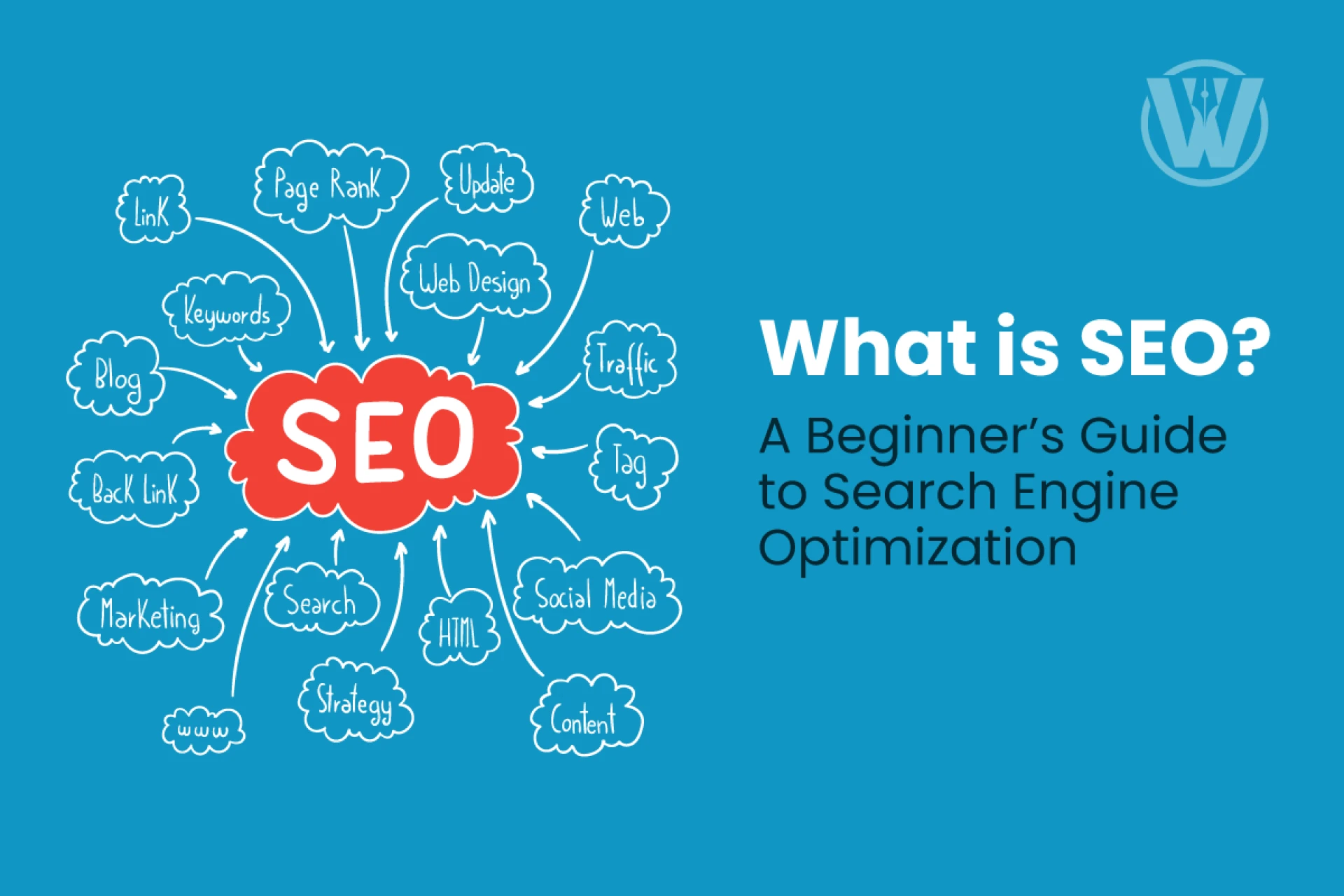
SEO Strategy for Cannabis Websites
Once your website is live, the real work of getting it in front of people begins: ranking on Google.
- Focus on Informational Content: Target real questions like "is CBD good for sleep"
- Use Long-Tail Keywords: "best CBD oil for sleep" beats "cannabis"
- Create Genuinely Educational Content: Google favors content that's actually useful
- Optimize for Mobile Users: Most traffic will come from phones
- Build Backlinks from Trusted Websites: Guest posting builds domain authority
- Use Local SEO for Cannabis Stores: Target "cannabis store near me" style searches
- Add FAQs and Guides: Improves your odds of ranking in featured snippets
Common Mistakes to Avoid
- Ignoring Legal Rules: Cannabis laws vary significantly by region
- Not Using Age Verification: Legally required in many jurisdictions
- Poor SEO Strategy: Means far fewer visitors
- Low-Quality Content: Thin or copied content hurts rankings
- Slow Website Speed: Drives visitors away and hurts rankings
- Not Building Trust: Needs clear, accurate, transparent content
- Using Unsuitable Payment Gateways: Can lead to sudden account suspensions
- Relying on Hosting That Ignores Legal Notices: Creates more risk than it solves
Future Trends in Cannabis Websites (2026 & Beyond)
- AI-powered product recommendations using customer data
- More educational cannabis platforms focused on health and wellness
- Mobile-first website design across phones and tablets
- Virtual dispensary experiences with better categorization
AI in Cannabis E-commerce
Artificial intelligence is becoming an important part of online business generally, and cannabis e-commerce is no exception. AI helps website owners understand customer behavior, improve product recommendations, forecast demand, and automate repetitive tasks.
For example, AI tools can analyze what customers are searching for and suggest related products they're likely to want. AI-powered chatbots can answer customer questions instantly and guide them through the buying process. Going forward, AI is likely to play an even bigger role in cannabis e-commerce, helping businesses build smarter, more responsive shopping experiences.
FAQs
Is it legal to start a cannabis website?
Yes, but it depends entirely on the laws of the country or state where your website and its audience are based. Many places allow cannabis blogs or online stores that sell legal products like CBD, provided you follow local licensing and compliance rules.
What is the most profitable cannabis product?
Cannabis flower, pre-rolled joints, edibles like gummies and baked goods, concentrates such as wax and live resin, and vape cartridges. Profitability depends heavily on local demand and licensing status.
What is the best marketing trend for cannabis?
Educational blogging, SEO-focused content strategy, cannabis lifestyle branding, and local SEO for dispensary listings.
Who is the richest cannabis company?
Curaleaf Holdings is widely regarded as one of the largest and most valuable cannabis companies in the world, operating across multiple U.S. states.
Who is considered the father of cannabis research?
Raphael Mechoulam, an Israeli scientist who pioneered modern cannabis research and helped identify key cannabinoids including THC in the 1960s.
Conclusion
A well-built cannabis website, whether it's an online store or an educational blog, can become a genuinely profitable long-term project when it's built on the right foundation: proper licensing where required, compliant payment processing, reliable hosting, and content people actually trust.
If you follow these steps and take the legal groundwork seriously, you'll be in a strong position to build a cannabis website that grows steadily and stays online for the long run.


























Sign in to leave a comment.