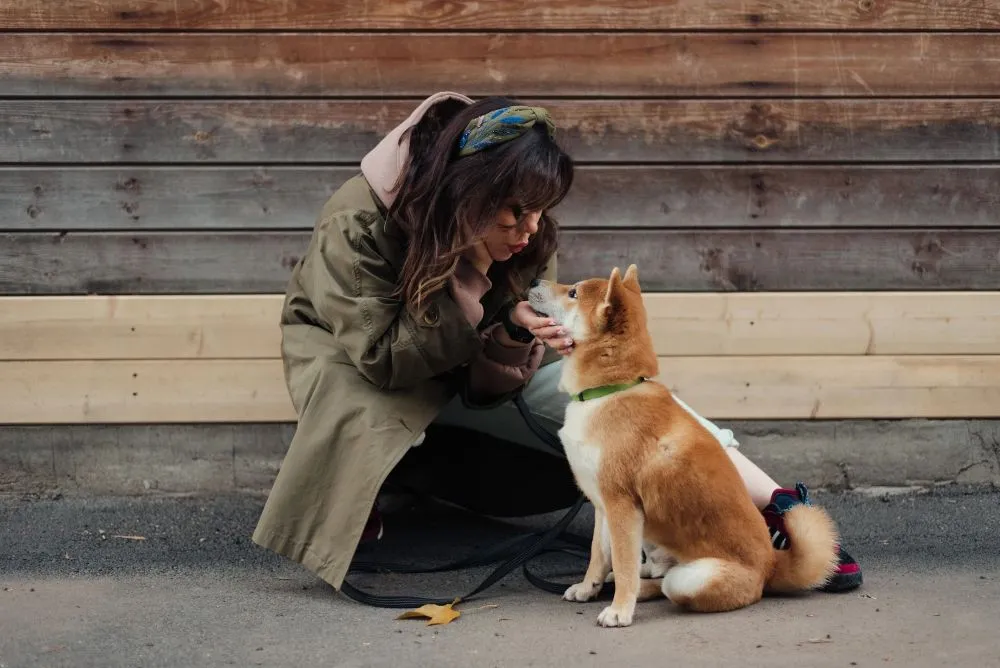

Training is one of the most important parts of raising a happy, well-behaved dog. Whether you have a new puppy or an older dog, effective training helps build trust, improve communication, and strengthen the bond between you and your pet. While there are many training methods available, positive reinforcement remains one of the most widely recommended approaches because it focuses on rewarding desired behaviors rather than punishing mistakes.
By starting training at home, dog owners can create a comfortable learning environment where their pets feel safe, motivated, and eager to learn. With consistency and patience, positive reinforcement can help dogs develop good habits that last a lifetime.
Understanding Positive Reinforcement
Positive reinforcement is a training method that encourages desired behaviors by rewarding a dog immediately after it performs the correct action. Rewards can include treats, praise, toys, petting, or other forms of positive attention.
The goal is to help the dog associate a specific behavior with a positive outcome. When dogs receive a reward after following a command or displaying good behavior, they are more likely to repeat that behavior in the future.
Successful positive reinforcement dog training focuses on encouraging what you want your dog to do rather than concentrating on mistakes or unwanted actions.
Choose the Right Rewards
Every dog is different, so finding the right motivation is important. Some dogs are highly food-driven, while others may respond better to toys, playtime, or verbal praise.
Start by identifying what excites your dog the most. Small, soft treats often work well during training sessions because they can be given quickly without interrupting the learning process.
Using high-value rewards for more challenging tasks can help maintain your dog's attention and enthusiasm. As behaviors become consistent, rewards can gradually be reduced while maintaining occasional reinforcement.
Start with Basic Commands
Begin training with simple commands that are easy for your dog to understand. Common starter commands include:
- Sit
- Stay
- Come
- Down
- Leave it
Choose one command at a time and keep sessions short and focused. For example, hold a treat above your dog's head and move it slightly backward to encourage a sitting position. As soon as your dog sits, immediately provide the reward and praise.
Repeating this process consistently helps your dog understand the connection between the command and the desired behavior.
Keep Training Sessions Short
Dogs, especially puppies, have limited attention spans. Long training sessions can lead to frustration and decreased focus.
Most dogs respond best to sessions lasting five to fifteen minutes. Multiple short sessions throughout the day are often more effective than one lengthy session.
Keeping training fun and engaging helps maintain your dog's interest while preventing mental fatigue. Ending sessions on a successful note can also build confidence and encourage future learning.
Use Consistent Commands and Timing
Consistency is one of the most important elements of successful training. Everyone in the household should use the same commands and expectations to avoid confusing the dog.
Timing is equally important. Rewards should be given immediately after the desired behavior occurs. Waiting too long can make it difficult for the dog to understand exactly what action earned the reward.
Clear communication and consistent repetition help accelerate learning and create reliable responses to commands.
Redirect Unwanted Behaviors
Positive reinforcement is not only about rewarding good behavior. It also involves redirecting unwanted behaviors toward more appropriate alternatives.
For example, if your dog begins chewing on furniture, redirect its attention to an approved chew toy. When the dog starts chewing the correct item, provide praise or a treat.
This approach teaches dogs which behaviors are acceptable while avoiding fear or confusion that may result from harsh corrections.
Practice in Different Environments
Once your dog responds well at home, gradually introduce distractions and new environments. Practice commands in the backyard, at a park, or during walks.
Dogs often need additional practice to understand that commands apply everywhere, not just in one location. Slowly increasing distractions helps strengthen obedience and reliability in real-world situations.
Continue rewarding success as your dog learns to focus despite environmental changes.
Be Patient and Celebrate Progress
Every dog learns at its own pace. Some commands may be mastered quickly, while others require additional practice and repetition.
Avoid becoming frustrated if progress seems slow. Consistent encouragement helps build your dog's confidence and willingness to learn. Celebrating small successes can make training more enjoyable for both you and your pet.
Remember that training is an ongoing process rather than a one-time event. Continued practice helps reinforce good habits throughout your dog's life.
Conclusion
Positive reinforcement training provides a rewarding and effective way to teach your dog new skills while strengthening your relationship. By using rewards, maintaining consistency, and practicing patience, dog owners can successfully train their pets at home in a supportive environment.
Starting with basic commands, using motivating rewards, and gradually introducing new challenges can help dogs develop confidence and good behavior. With dedication and regular practice, positive reinforcement creates a strong foundation for a well-mannered and happy companion.




























Sign in to leave a comment.