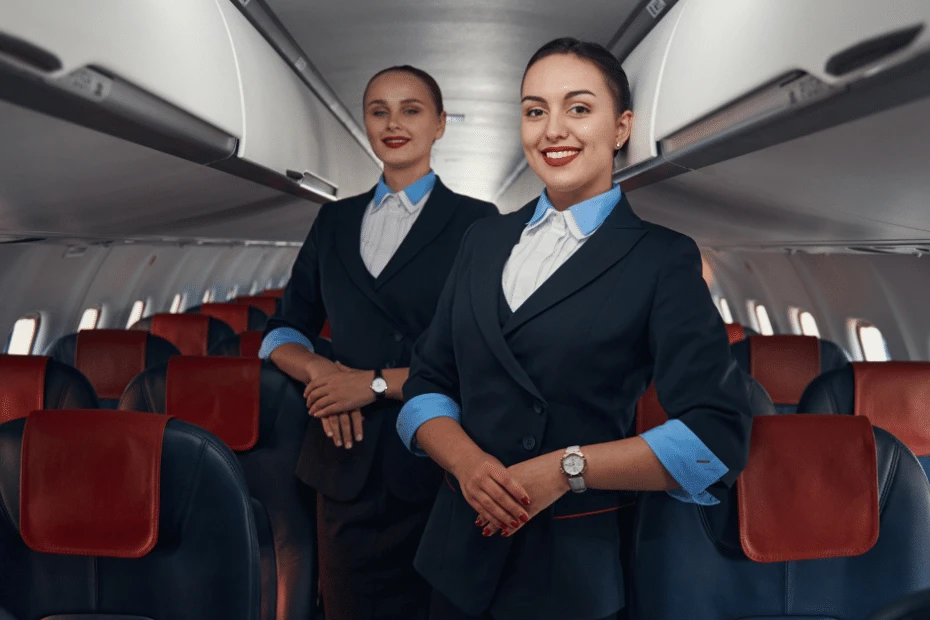

Working at 35,000 feet sounds like a dream to many people. The idea of getting paid to travel, meeting new people every day, and wearing that sharp uniform is enough to make anyone think twice about their current desk job. If you have been thinking about this type of work, you are not alone. Thousands of South Africans look into cabin crew roles every year, and the good news is that the path to getting there is more straightforward than you might think.
What Does a Cabin Crew Member Actually Do?
Before we get into the training side of things, let us talk about what the job really looks like. Many people picture the role as simply serving drinks and snacks, but that is just a small part of it. Cabin crew members are first and foremost safety officers. They are trained to handle medical situations, fire emergencies, water landings, and security threats. The customer service aspect is important, but it comes second to making sure everyone on that plane gets from point A to point B safely.
On a typical flight, you will greet passengers as they board, help them find their seats, and assist with luggage. During the flight, you will keep an eye out for anything unusual while also making passengers comfortable. You might deal with a nervous first-time flyer, a parent struggling with a crying baby, or a business traveller who just needs a quiet space to work. Each flight brings something different.
Getting the Right Training
If you want to work as a cabin crew in South Africa, you need to get licensed through the South African Civil Aviation Authority (SACAA). This is not optional. Airlines will not hire you without this licence, so any training you do needs to lead to this outcome. A proper flight attendant course will prepare you for the SACAA examination and give you all the practical skills you need.
The training covers a lot of ground. You will learn about aviation medicine, which teaches you how to handle in-flight medical emergencies like heart attacks, strokes, asthma attacks, and injuries from turbulence. You will also learn about fire fighting techniques specific to aircraft, which are different from what you might see in a regular fire safety course. The confined space of an aeroplane cabin requires specialised knowledge.
Water survival training is another big part of it. You will learn how to use life jackets, life rafts, and other flotation devices. Yes, you will need to get in the water and practise. If you cannot swim, most training providers can help you learn, but it is a requirement you cannot skip.
Requirements to Get Started
Most training academies in South Africa have similar entry requirements. You generally need to be between 18 and 40 years old, have a matric certificate, and be able to speak, read, and write English well. Some international airlines prefer candidates who can speak additional languages, so if you happen to know French, German, Arabic, or Mandarin, that could give you an advantage later.
You will also need to get a Class 4 aviation medical certificate from a SACAA designated medical examiner. This is not the same as a regular check-up with your GP. The examination looks at your vision, hearing, cardiovascular health, and overall fitness to work at altitude. It needs to be done before you start your training in most cases.
Physical fitness matters in this line of work. You need to be able to open heavy aircraft doors, help passengers evacuate quickly in an emergency, and stand for long periods. There are no specific height requirements in South Africa like some international carriers have, but you should be physically capable of reaching overhead compartments and performing safety duties.
What to Expect During Training
A typical course for stewardess roles runs for about six to eight weeks of full-time study. Some providers offer part-time or blended learning options where you do some theory online and then attend practical sessions in person. The practical component is not something you can skip because you need hands-on experience with actual aircraft equipment.
During training, you will study modules like safety and emergency procedures, crew resource management, security awareness, and dangerous goods handling. Crew resource management is about communication and teamwork in the cockpit and cabin. It sounds simple, but clear communication between crew members can make the difference in an emergency situation.
The security module covers everything from identifying suspicious behaviour to handling threats on board. With the way the world is now, this training has become more detailed than it was twenty years ago. You will learn how to spot potential problems before they become real problems.
Dangerous goods training teaches you about items that cannot be carried on aircraft and why. Some things that seem harmless, like certain batteries or aerosol cans, can be dangerous at altitude due to pressure changes. You need to know what to look for and how to handle situations where prohibited items are found.
Practical Assessments
The practical side of training is where things get real. You will do emergency evacuation drills on actual aircraft or in simulators that are built to look and feel like real planes. These drills are timed because in a real emergency, every second counts. You need to be able to get passengers out of an aircraft within 90 seconds.
Fire fighting practicals are done in approved fire training facilities. You will actually fight fires in a controlled setting, using the types of extinguishers found on aircraft. It gets hot and smoky, and that is the point. You need to know what it feels like so you can stay calm if it ever happens for real.
The water survival assessment requires you to demonstrate that you can use a life jacket properly, board a life raft, and help others do the same. This is usually done in a swimming pool, but it simulates the conditions you might face if an aircraft had to land on water.
Passing the SACAA Examination
After completing your training, you will write the SACAA examination. This is typically done at the SACAA offices in Midrand or Cape Town. The exam tests everything you learned during your training. Most academies have a high pass rate, but you still need to take it seriously and study.
Once you pass, you receive your cabin crew licence. This is the document that allows you to work on South African registered aircraft. If you later want to work for international airlines like Emirates, Qatar Airways, or Etihad, having this licence gives you credibility and shows that you have been trained to a recognised standard.
Career Opportunities After Training
With your licence in hand, you can start applying to airlines. In South Africa, there are several carriers that hire cabin crew regularly. The hiring process usually involves an application, group assessments, individual interviews, and medical checks. Competition can be tough, so anything extra you can add to your CV helps.
Some people start with smaller regional airlines to get experience before applying to larger carriers. Others look at international opportunities straight away. The advantage of working for a South African airline first is that you build up flight hours and experience, which makes you more attractive to international recruiters later.
It is worth mentioning that an airline hostess course does not guarantee you a job. Training academies are education providers, not recruitment agencies. They will help with CV preparation and interview skills, but landing the job is ultimately up to you. That said, airlines actively recruit from reputable training academies, so graduating from a good programme puts you in the right place.
The Cruise Ship Option
Many cabin crew training providers in South Africa now offer programmes that cover both aviation and maritime hospitality. The skills overlap more than you might think. If you complete a flight hostess courses programme that includes sea modules, you open yourself up to working on cruise ships as well.
Working on a cruise ship is different from flying. Contracts are longer, usually four to six months at a time, and you live on the ship. The travel aspect is similar though, and if you love the idea of seeing different ports and meeting international guests, it could be a great fit. Some people do both throughout their careers, working on ships during certain periods and flying during others.
Costs and Financing
Training is not cheap. A full air attendant course in South Africa can cost anywhere from R15,000 to R40,000 or more depending on the provider and what is included. Some programmes include the medical certificate costs, uniforms, and exam fees while others charge these separately.
If you do not have the money upfront, some training academies work with financial institutions that offer student loans. You would need to meet the loan requirements, which usually means having a parent or guardian who can co-sign. Some providers allow payment plans where you pay in installments over the course of your training.
It is tempting to look for the cheapest option, but be careful. Make sure any training provider you consider is accredited by the SACAA. Check their approval number and verify it if you need to. There are fly-by-night operations out there that will take your money and leave you with a certificate that means nothing. A legitimate training organisation will be happy to show you their accreditation.
What Makes a Good Cabin Crew Member?
Beyond the training and certification, certain personality traits make this work easier. You need to be patient because you will deal with difficult passengers. You need to be flexible because flight delays and schedule changes are part of the job. You should genuinely enjoy helping people because customer service is constant.
Being able to stay calm under pressure is maybe the most important thing. In an emergency, passengers will look to you for guidance. If you panic, they panic. If you stay composed and give clear instructions, they follow. This is something that training can help with, but some people are naturally better suited to high-pressure situations than others.
Physical stamina matters too. Flights can be long. You will be on your feet for most of that time. Jet lag is real, and irregular hours become your normal. If you are someone who needs a strict routine and regular sleep patterns, this might be challenging for you.


































Sign in to leave a comment.