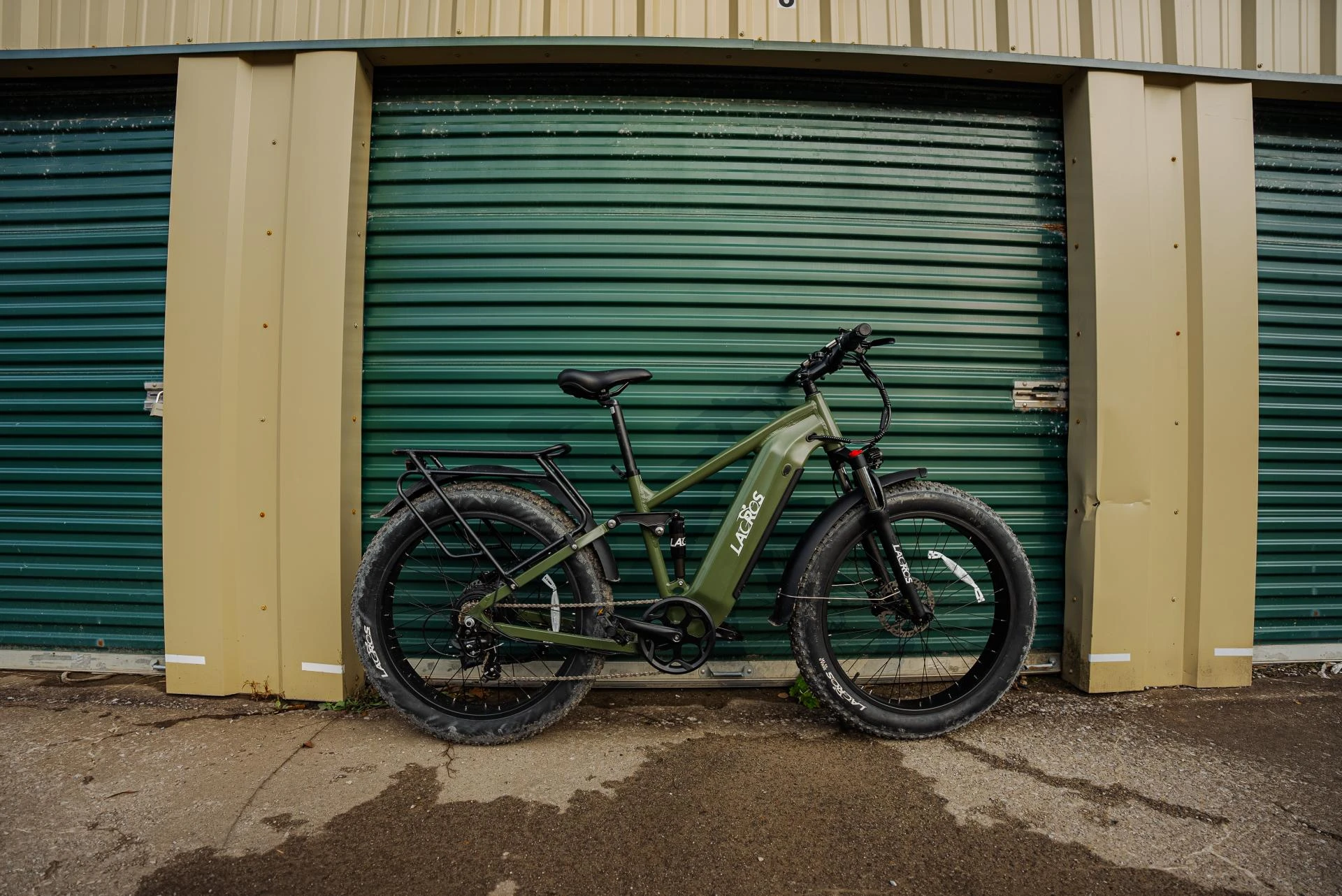
Storing an electric bike outdoors raises questions about weather exposure, corrosion, and battery longevity. While indoor storage is ideal, many riders successfully keep their e-bikes outside if proper precautions are followed. The main risk comes from exposure to the elements rather than theft. Keeping the battery indoors, covering the bike, and regularly maintaining moving parts can help your e-bike withstand rain, snow, or extreme temperatures.
Introduction: Can E-Bikes Be Stored Outside?
Wondering whether electric bikes can be stored outside? The answer is yes—but careful planning is essential. Bikes with removable batteries are particularly suited for outdoor storage, as extreme heat or cold can shorten battery life. Avoid leaving the seat wet to prevent material damage and hygiene issues. With proper cleaning, protective measures, and attention to weather, an e-bike can remain functional and safe even when stored outdoors.
Benefits of Outdoor and Winter Storage
Outdoor storage frees up indoor space and allows convenient access for daily commuting. Covered patios, secure enclosures, or side areas protected from the elements can shield your bike while keeping it accessible. In winter, proper outdoor storage ensures your e-bike is ready to ride without taking up valuable indoor space.
Choosing the Ideal Spot for Your Bike
- Sheltered Location: Opt for areas shielded from direct sun, rain, and snow, such as under a deck, tree canopy, or next to a building. Even a side wall can reduce exposure.
- Weather Factors: Moisture and UV rays are the primary threats. Select a dry, shaded spot, and consider wind and precipitation patterns.
- Visibility and Access: Keeping your bike in view can deter theft and allows easy monitoring of its condition.
- Ground Surface: Park on firm, level ground to prevent tipping. Avoid mud, sand, or sloped areas that could reduce stability.
Also read: Are Electric Bikes Waterproof? What You Need to Know
Also read: The Best Electric Bikes for Snow: How to Ride Confidently in Winter
Weather Considerations and Protective Measures
Outdoor exposure can corrode metal parts, damage electronics, and reduce the lifespan of tires and seats. While e-bikes are designed for some outdoor use, prolonged exposure without protection can cause wear or failure.
- Battery Protection: The battery is the most sensitive and costly component. Remove it for indoor storage when possible, keep it partially charged, and avoid extreme temperatures. Knowing how to store an e-bike battery for winter is key to longevity.
- Covers: A breathable, waterproof cover protects against rain, snow, and UV damage. Ensure a snug fit to avoid wind lifting the cover and trapping moisture. Adding a secondary dust cover can offer extra defense.
- Lubrication: Regularly lubricate chains, bolts, and bearings to prevent rust. In snowy or coastal regions, consider additional rust protection such as stainless-steel bolts or protective sprays.
- Security: Use high-quality locks to secure the frame and wheels. GPS trackers or alarmed locks provide an additional layer of security.
Ensuring Safety and Security Outdoors
The Basics of E-Bike Security
Protecting your e-bike from theft is vital. Even with a cover, strong security measures are essential.
Types of Locks to Consider
- U-Locks and Folding Locks: Choose locks with high security ratings and anti-picking features.
- Chain Locks: Hardened steel chains provide flexibility for securing bikes to larger objects.
- Alarm Locks: Consider alarmed disc or chain locks for added deterrence.
Effective Locking Techniques
Secure both frame and wheels, and consider locking the removable battery with an integrated or separate chain.
Additional Security Measures
GPS trackers and motion-sensitive alarms can alert you to tampering and assist recovery in case of theft.
Visibility and Lighting
Storing your e-bike in a well-lit area discourages theft and makes monitoring easier.
Also read: How to Store Your Electric Bike in a Garage (and Keep It in Top Condition)
Maintenance Tips for Outdoor and Winter Storage
- Routine Inspections: Regularly check tires, brakes, bolts, and bearings.
- Cleaning and Lubrication: Wipe down the frame, clean the chain, and lubricate moving parts to prevent rust.
- Weatherproofing: Use sealants or protective sprays for additional moisture defense.
- Professional Servicing: Annual check-ups help catch issues early.
Winter Riding and Pre-Ride Checklist
Before winter rides, inspect brakes, gears, battery, and tires. Take a short test ride to ensure smooth operation.
- Tires: Ensure adequate tread for snow or ice.
- Fenders: Protect rider and bike from slush and debris.
- Protective Clothing: Layer moisture-wicking base layers, insulating mid-layers, and waterproof outer layers. Gloves, water-resistant shoes, and eye protection are recommended.
- Safety Gear: Helmets are mandatory; knee and elbow pads are advised. Ensure visibility with lights and reflective clothing.
For those storing bikes outdoors, models like Lacros e-bikes are excellent choices, offering removable batteries and durable components suited for year-round use.
Using Your E-Bike Safely During Winter
E-bikes can be used in winter when proper precautions are followed:
- Ride Only in Safe Conditions: Avoid icy or hazardous roads.
- Braking: Allow extra stopping distance.
- Visibility: Use lights, reflectors, and reflective gear.
- Cleaning: Wipe down after rides, especially when salt is used on roads, to prevent corrosion.
FAQ: Common Questions About Outdoor and Winter E-Bike Storage
Q: Can electric bikes be stored outside?
A: Yes, with a protective cover, secure placement, battery care, and regular maintenance.
Q: How do you safely store electric bikes outdoors?
A: Choose a dry, shaded area, cover the bike with a breathable waterproof cover, secure it with quality locks, and remove the battery for indoor storage if possible.
Q: How to store an e-bike battery for winter?
A: Store indoors, partially charged, avoid full discharge, and charge in a temperature-stable environment.
Q: How often should I inspect my outdoor e-bike?
A: Weekly or biweekly, especially after storms or harsh conditions.
Q: Can I ride my e-bike in snow or winter conditions?
A: Yes, but only when it’s safe. Ensure good tread on tires, ride slowly, and maintain visibility with lights and reflective gear.



























Sign in to leave a comment.