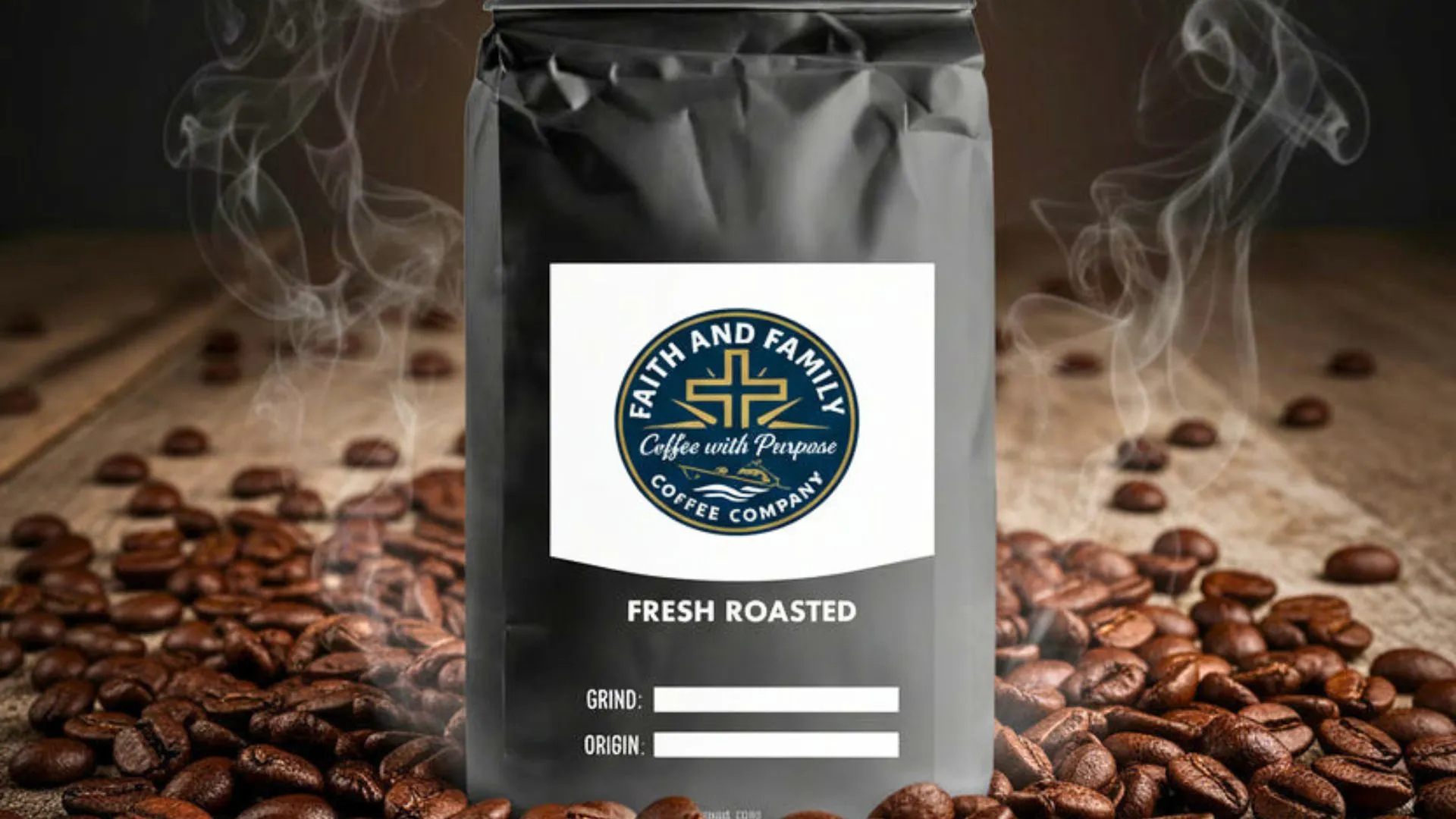

There is nothing quite like opening a bag of coffee and getting that rich, inviting aroma from freshly roasted beans. But great coffee does not stay at its best forever. How you store your beans after bringing them home can make a big difference in their flavor, aroma, and overall quality.
The good news is that keeping coffee fresh does not require expensive equipment or a complicated routine. A few simple storage habits can help protect your beans from the things that cause them to lose their character.
Why Does Coffee Freshness Matter?
Coffee beans contain many natural compounds that create their aroma and flavor. After roasting, the beans continue to release carbon dioxide while slowly reacting with oxygen. Over time, this exposure can cause the coffee to lose some of its freshness.
Fresh roasted coffee generally has a more noticeable aroma and a fuller flavor. Older beans may taste flat, dull, or stale, especially when they have been exposed to air for long periods.
This does not mean you need to finish an entire bag immediately. It simply means that proper storage matters if you want your coffee to taste as good as possible from the first cup to the last.
What Are the Biggest Enemies of Fresh Coffee?
Four things can have a major effect on coffee quality: air, light, heat, and moisture.
Oxygen speeds up oxidation, which gradually changes the flavor of the beans. Light can also affect coffee over time, particularly when beans are stored in clear containers. Heat can speed up the aging process, while moisture can introduce unwanted flavors and affect the beans' texture.
Keeping these four factors under control is the foundation of good coffee storage.
Where Should You Store Coffee at Home?
The best place to store coffee is a cool, dry cupboard away from direct sunlight and heat-producing appliances.
A kitchen cabinet can work well as long as it is not directly above the stove, beside the oven, or in an area exposed to steam. Choose a spot where the temperature remains fairly stable throughout the day.
Avoid leaving your coffee on the kitchen counter if that area receives direct sunlight. A dark cabinet is usually a much better choice.
Should Coffee Beans Be Stored in an Airtight Container?
Yes. An airtight container can help reduce the amount of oxygen reaching the beans.
If your coffee comes in a well-sealed bag with a one-way valve, you can usually keep it in the original packaging until you open it. After opening, make sure the bag is tightly sealed after each use.
You can also transfer the beans to an airtight, opaque container. Choose one that is clean, completely dry, and large enough to hold the coffee without leaving excessive empty space.
Do not use a container that still smells like another food. Coffee can pick up surrounding odors surprisingly easily.
Should You Keep Coffee in the Refrigerator?
For most households, storing coffee in the refrigerator is not the best option.
Coffee beans can absorb odors from foods stored nearby. The repeated movement between cold and room temperature can also create condensation, introducing moisture to the beans.
Instead of using the refrigerator for everyday storage, keep your beans sealed in an airtight container inside a cool, dry cupboard.
Can You Freeze Fresh Coffee Beans?
Freezing coffee can be useful when you need to store beans for a longer period, particularly if you have purchased more coffee than you can reasonably use soon.
The key is keeping moisture and air away from the beans. Divide the coffee into suitable portions and seal them properly before placing them in the freezer. When you need a portion, allow it to come back to room temperature while still sealed.
For everyday coffee consumption, however, buying a reasonable amount and storing it properly at room temperature is often simpler.
How Long Does Freshly Roasted Coffee Stay Fresh?
Coffee does not suddenly become bad after a specific number of days. Its flavor gradually changes as the beans age.
Many coffee drinkers enjoy beans within a few weeks of roasting, although the ideal timing can vary depending on the coffee, roast level, packaging, and personal preference.
Rather than buying a very large quantity, consider purchasing an amount you can comfortably use while the coffee still tastes fresh to you.
This is especially useful when buying specialty coffees. For example, if you enjoy fresh roasted Ethiopian coffee, buying smaller quantities can let you enjoy its distinctive characteristics while they are at their best.
Should You Grind Coffee Before Storing It?
If possible, keep your coffee beans whole and grind them shortly before brewing.
Whole beans generally retain their qualities better because grinding creates a much larger surface area that comes into contact with air. Ground coffee can lose aroma and flavor more quickly.
If you do not have a grinder, buying smaller quantities of freshly ground coffee and storing them properly can still give you a good result.
How Should Flavored Coffee Beans Be Stored?
Flavored coffee beans should receive the same basic protection from air, heat, light, and moisture.
Keep them in an airtight container in a cool, dry, dark location. It can also be helpful to store flavored coffee separately from other beans because its aroma can transfer to nearby products.
This is particularly important if you regularly switch between regular coffee and flavoured coffee beans.
What Should You Look for When Buying Coffee Online?
Storage begins before the coffee even reaches your kitchen. When shopping online, look for information about the roast date, packaging, bean type, and recommended brewing method.
A reliable coffee bean online store should make it easy to understand what you are buying. Clear product information can help you choose the right quantity and avoid keeping more coffee at home than you can use.
A coffee and tea online store may offer a wide range of products, so pay attention to packaging and freshness information rather than choosing based only on the appearance of the bag.
How Much Coffee Should You Buy at One Time?
Buying coffee in smaller quantities can make freshness easier to manage.
If you drink several cups every day, a larger bag may make sense. If you only brew coffee occasionally, a smaller package may be a better choice.
Think about how quickly you normally finish a bag. The goal is simple: buy enough to enjoy without leaving the beans sitting around for months.
What Is the Best Way to Store an Opened Bag of Coffee?
Once you open a bag, remove the amount you need and seal the package immediately.
Press out excess air where possible, close the bag securely, and place it inside a cool, dark cupboard. If you use a separate container, make sure the lid creates a good seal.
Avoid opening the bag repeatedly just to smell the coffee or leaving it open while preparing your morning brew. Small habits like these can help reduce unnecessary exposure to air.
Can You Tell When Coffee Has Lost Its Freshness?
Your senses can tell you quite a bit.
Older coffee may have a weaker aroma and a flatter taste. You may notice that the cup lacks the sweetness, body, or balance you normally expect.
If your brewing method has not changed but your coffee suddenly tastes dull, check how long the beans have been open and where they have been stored.
Keep in mind that stale coffee is not necessarily unsafe to drink. It simply may no longer provide the flavor experience you want.
What Are the Most Common Coffee Storage Mistakes?
One of the biggest mistakes is leaving coffee in an open bag. Another is storing beans beside heat, sunlight, or moisture.
Using a clear container on a sunny countertop is another common problem. Storing coffee near strongly scented foods can also affect its aroma.
Buying too much coffee at once is easy to overlook. Even excellent beans can lose their best qualities if they remain open for too long.
Simple storage beats complicated storage. Keep the beans sealed, cool, dry, and away from light.
How Can You Get More Flavor From Properly Stored Coffee?
Good storage is only one part of making a great cup.
Use clean equipment, fresh water, the correct grind size, and a coffee-to-water ratio that suits your brewing method. If your coffee tastes too bitter or weak, make small adjustments rather than changing everything at once.
Most importantly, pay attention to what you enjoy. Coffee preferences are personal, and the right storage routine should make it easier for you to enjoy your favorite beans day after day.
Where Can You Shop for Fresh Coffee in the USA?
If you are looking for quality beans, choose a retailer that provides useful information about its coffee and roasting process. Buying reasonable quantities and storing them correctly once they arrive can help you get more enjoyment from every bag.
For coffee lovers who want to try different roast styles, origins, and flavors, Shop premium fresh roasted coffee and choose beans that fit your preferred brewing method and taste.
Final Thoughts: How Can You Keep Coffee Fresh for Longer?
Storing coffee properly is mostly about protecting it from air, light, heat, and moisture.
Keep whole beans in an airtight container or their properly sealed original packaging. Store them in a cool, dry, dark cupboard and grind only what you need for each brew. Avoid unnecessary exposure to moisture and strong odors.
With these simple habits, you can protect the aroma and flavor of your coffee and make your daily brewing routine more enjoyable.
FAQs
1. How should I store fresh roasted coffee beans at home in the USA?
Keep the beans in an airtight, opaque container in a cool, dry cupboard away from sunlight, heat, moisture, and strong odors.
2. What is the best container for storing coffee beans in the USA?
An airtight, opaque container with a secure seal is a good choice. It should be clean, completely dry, and large enough to hold the beans comfortably.
3. Should I refrigerate freshly roasted coffee beans in the USA?
Refrigeration is generally not recommended for everyday coffee storage because beans can absorb food odors and may be exposed to condensation.
4. Can I freeze coffee beans for long-term storage in the USA?
Yes, freezing can work for longer-term storage when beans are sealed properly in airtight portions that protect them from moisture and air.
5. How long can I store roasted coffee beans at room temperature in the USA?
Coffee gradually loses freshness over time. For the best flavor, buy an amount you can reasonably use within a few weeks and keep it properly sealed.
6. What is the best way to store whole coffee beans after opening a bag in the USA?
Seal the original bag tightly or transfer the beans to an airtight container. Keep them in a cool, dark, dry cupboard and limit exposure to air.
7. How can I keep specialty coffee beans fresh in the USA?
Buy reasonable quantities, check the roast date, keep the beans sealed, and store them away from heat, light, moisture, and strong kitchen odors.
8. Should I store ground coffee differently from whole beans in the USA?
Ground coffee should also be protected from air, light, heat, and moisture. Because it has more surface area exposed to air, using it soon after grinding is recommended.
9. How should I store flavored coffee beans in the USA?
Keep flavored coffee beans in an airtight container in a cool, dry, dark place. Storing them separately from other coffee can help prevent aroma transfer.
10. Where can I buy fresh roasted coffee online in the USA?
Look for reputable American coffee companies like Faith and Family Coffee Company that provide product details, and suitable packaging. Buying smaller quantities can also help you enjoy the coffee while it is fresh.
























Sign in to leave a comment.