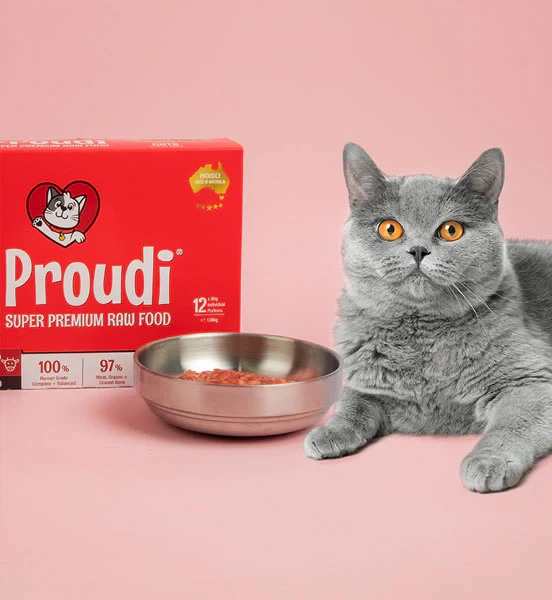
Ever thought about giving your cat a healthier, more natural way of eating? Many Aussie pet owners are now moving their furry friends to a raw diet because it’s closer to what cats would eat in the wild. Let’s take a look at the raw cat food guide in detail in the section below.
Why Consider a Raw Diet for Cats?
Cats are obligate carnivores. That means they need meat to thrive. A raw cat food Australia mimics the nutrition they’d naturally get from hunting, which helps with:
- Better digestion
- Shinier coats
- Healthier teeth and gums
- Increased energy levels
Ever noticed your cat turning up its nose at kibble? It’s because processed food often doesn’t match their instincts. Raw food brings back that natural balance.
Step 1: Speak to Your Vet First
Before changing your cat’s meals, have a quick chat with your vet. Why? Weight, age, and health are the significant concerns. Your vet can assist you with the size of the portion to ensure the diet meets the needs of your cat.
Step 2: Always Start with Less
- Start with a teaspoon of raw food and mix the same into their usual dietary routine.
- Gradually increase the raw meal portion while minimising the old potion over within a span of a week.
- Watch your cat’s reaction. If they seem hesitant, go slower.
Think of it like teaching someone to enjoy a new cuisine—you don’t swap everything in one go.
Step 3: Keep It fully Safe and Fresh
Always make sure to follow the below said thumb rules.
- Store raw food in the freezer until needed
- Thaw in the fridge, not on the counter
- Wash bowls after every meal
- Handle portions with clean utensils
Ever wondered why some people avoid raw diets? It’s usually hygiene worries—but with these simple steps, you’ll have no trouble.
Step 4: Adjust and Observe
Cats don’t hide their feelings about food. Keep an eye out for signs that the new diet works:
- Fur gets shinier
- Less smelly tools Smaller in size
- Playfulness to the ultimate
- Improved appetite
If your cat seems sluggish or refuses meals, tweak the balance. Sometimes, adding variety—like chicken one day and beef the next—keeps things exciting.
Final Say
Changing your cat food to a raw pet food might be a big change, but follow the above said steps. No doubt the payoff is worth your time: a, more vibrant, healthier cat means they can thrive on meals nature offers to them.























Sign in to leave a comment.