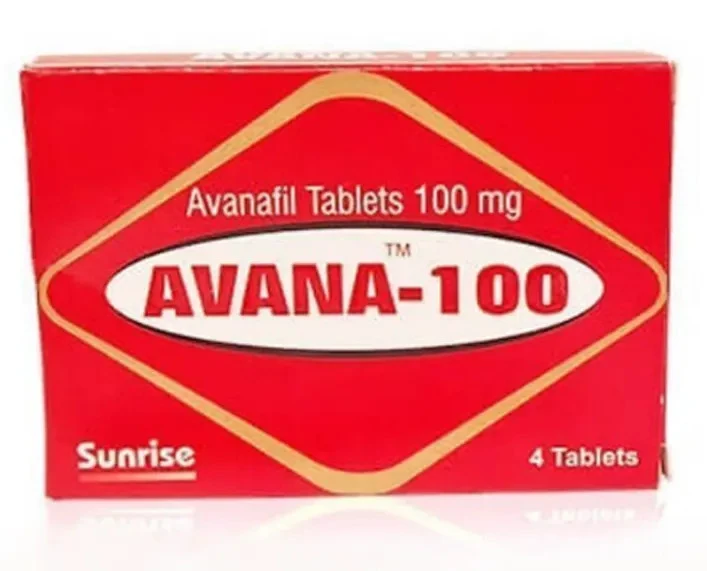

Avanafil (brand name Stendra/Spedra) is a fast-acting PDE5 inhibitor for erectile dysfunction. The usual starting dose is 100 mg taken as needed about 15–30 minutes before sexual activity, with a maximum of one dose in 24 hours. Read on for practical, safety-focused guidance and referenced sources. (FDA)
What is avanafil and who is it for?
Avanafil is an oral medication in the phosphodiesterase-5 (PDE5) inhibitor class used to treat erectile dysfunction (ED). It increases blood flow to the penis during sexual stimulation and helps produce and maintain an erection; it does not create sexual desire or prevent sexually transmitted infections or pregnancy. Its brand names include Stendra (US) and Spedra (EU/UK).
Avana 100mg Dosage and Timing
- Starting dose: 100 mg as a single dose, taken as early as ~15 minutes before sexual activity (some guidance says 15–30 minutes).
- Dose adjustments: If 100 mg is not effective and is well tolerated, the dose may be increased to 200 mg (max). If side effects are significant, the dose may be reduced to 50 mg. Use the lowest effective dose.
- Frequency: Do not take more than one dose per 24 hours.
How to take it for the best results (practical tips)
- Start at 100 mg and test effectiveness. If you don’t get the desired effect after a few tries and your clinician approves, your dose may be adjusted.
- Take it about 15–30 minutes before sexual activity. Avanafil is faster than many other PDE5 inhibitors, with onset often within 15 minutes.
- A heavy, high-fat meal can delay absorption and onset — for fastest onset take it on an emptier stomach. Excessive alcohol may reduce effectiveness and increase risk of side effects (dizziness, low blood pressure).
- sexual arousal is still needed; the pill facilitates blood flow but won’t produce an erection without stimulation.
Safety — who should not take avanafil
- Never combine avanafil with nitrates (e.g., nitroglycerin for chest pain) — together they can cause severe, life-threatening drops in blood pressure. This is the single most important absolute contraindication. If you use any nitrate medicine (regularly or even occasionally), do not take avanafil.
- Caution with alpha-blockers (for prostate or blood pressure): combining can lower blood pressure — prescribers usually start alpha-blocker therapy first or adjust dosing with careful monitoring.
- Strong CYP3A4 inhibitors (e.g., ketoconazole, ritonavir) can raise avanafil blood levels — avoid or adjust dose under medical supervision. Avanafil is primarily metabolized by CYP3A4.
- Sexual activity is inadvisable to people experiencing heart disease, do not take ED medication until cleared by a cardiologist. NHS and NICE guidance emphasize assessing cardiovascular risk before prescribing ED drugs.
Always tell every healthcare provider (ER staff included) when you have taken avanafil — especially if you present with chest pain or fainting.
Common side effects and rare but serious risks
Common (usually mild): headache, flushing, nasal congestion, back or limb pain, and dizziness. These often diminish with time.
Serious (rare):
- Syncope/hypotension when combined with interacting drugs — immediate medical attention needed.
- Priapism means an erection lasting longer than 4 hours — this is a medical emergency; seek immediate care to avoid permanent damage.
- Sudden vision or hearing loss is rare but reported with PDE5 inhibitors — stop the drug and seek urgent help.
If side effects are troubling, stop and consult your prescriber; dose reduction from 100 mg to 50 mg is often effective in resolving tolerability issues.
Special populations: kidney, liver, older adults
- Renal or hepatic impairment: the FDA label indicates dose adjustments are generally not required for mild-to-moderate impairment, but severe impairment and combined conditions warrant specialist advice. Your prescriber will consider your overall health.
- Older adults: age alone typically doesn’t require a different starting dose, but older patients often have comorbidities or medications (e.g., nitrates, multiple antihypertensives) that change safety. Clinical judgement and possible dose adjustment are important.
Drug interactions — what to watch for
- Nitrates: absolute contraindication.
- Strong CYP3A4 inhibitors: can increase avanafil exposure — avoid or adjust. Examples: ritonavir, ketoconazole, itraconazole.
- Other ED drugs or nitric oxide donors: don’t combine different PDE5 inhibitors or take with guanylate cyclase stimulators (e.g., riociguat).
- Alpha-blockers and some antihypertensives: may require monitoring and a dosing strategy to reduce symptomatic hypotension.
Tell your prescriber about all medicines (prescription, over-the-counter, and herbal supplements) so they can screen for interactions.
Practical checklist before taking Avana 100mg dosage
- Have you been cleared for sexual activity by a clinician? (especially if you have heart disease)
- Are you taking nitrates or have you been prescribed them recently? If yes → do not take avanafil.
- Are you on strong CYP3A4 inhibitors or multiple blood-pressure drugs? Discuss with the prescriber.
- Start with 100 mg, take ~15–30 minutes before sex, avoid heavy meals and excessive alcohol, and never exceed one dose in 24 hours.
When to call a doctor or go to the emergency department
- Erection lasting >4 hours (priapism).
- Chest pain, fainting, sudden severe dizziness — especially if you may have taken nitrates.
- Sudden loss of vision or hearing.
Conclusion
The recommended Avana 100mg dosage is a sensible and commonly used starting dose: fast-acting, convenient, and adjustable. Use the lowest dose that gives satisfactory results, follow safety warnings (especially nitrates), and coordinate with your clinician to manage interactions and underlying health issues. Evidence and official prescribing information (FDA label), clinical reviews, and trusted health sources (NICE, NHS) support these recommendations.





























Sign in to leave a comment.