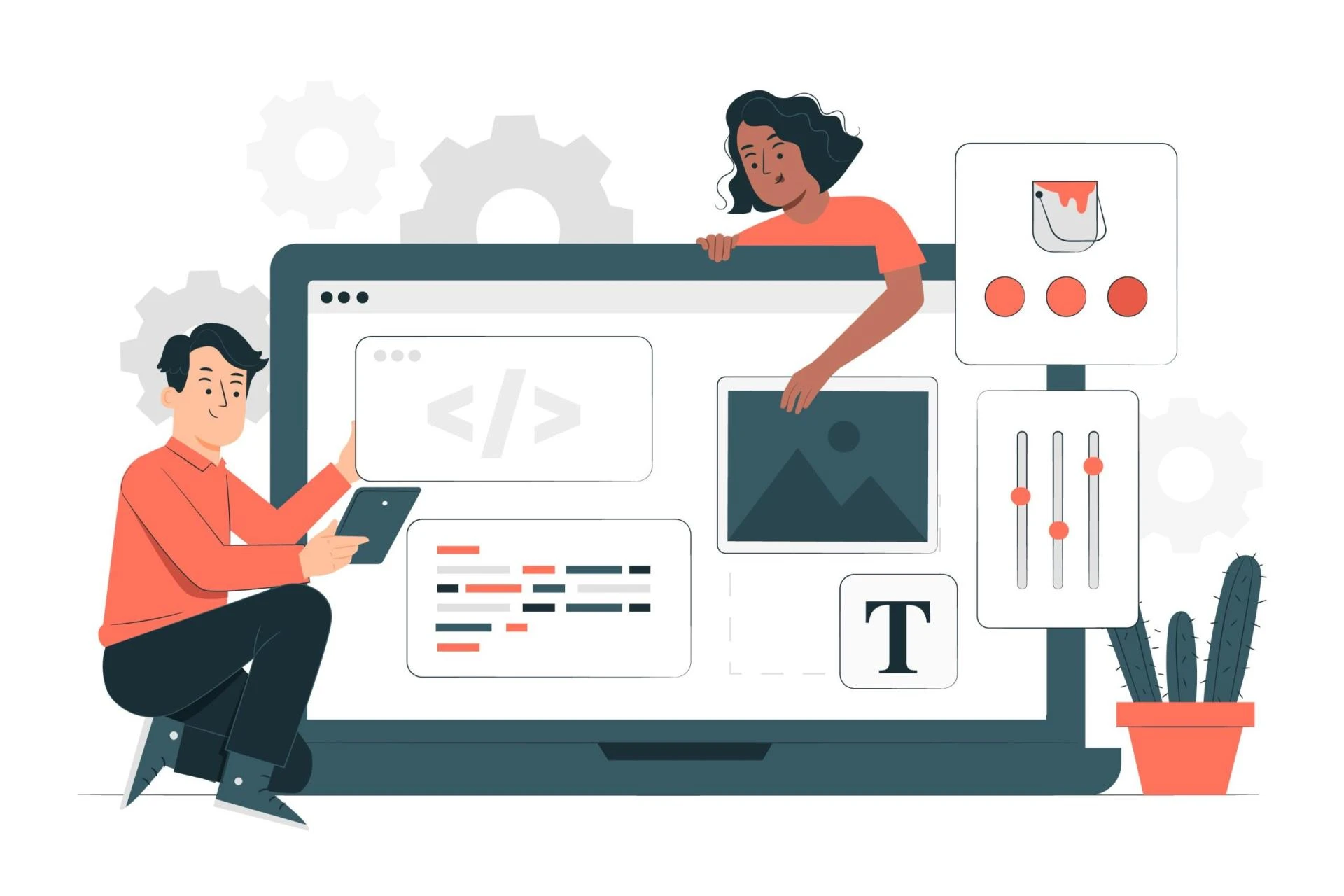

Developing software can be a daunting task, especially if you’re unfamiliar with the process. But with the right steps, you can take your software development project from concept to completion with relative ease. In this blog post, we’ll walk you through the necessary steps and considerations to take when developing software from start to finish.
Figure out what you need
Before you start any software development project, it is important to think through the purpose of the software and decide exactly what features and functionality you need to achieve your goals. The more detailed your requirements are at this stage, the better. Start by writing down a list of must-have features, then break that down into individual components. For example, if you want your software to enable users to create accounts and log in, consider all the details like what information they’ll need to provide, how they will reset passwords, etc.
Once you’ve gone through each feature and written down what it should do, think about how it will work. Consider any potential scenarios and make sure your software can handle them. Also, consider any potential user pain points and think about ways to make the experience smoother for them. Finally, think about any other features that could be beneficial but may not be necessary. Taking the time to thoroughly consider what your software needs at the outset will save you time and money later on.
Do your research
Before you start your software development project, it’s important to do your research and make sure you have a clear vision of what the software will accomplish. Start by researching your industry and competitors to get an idea of what features you need and which features are common in similar products. Then, get feedback from customers and users to see what they would find useful in a product. This can be done through interviews, surveys, focus groups, and other market research. Additionally, look into any relevant legal or regulatory requirements that must be met. Doing your research at this stage can help you create a detailed list of requirements that will ensure the software meets customer needs and any necessary compliance standards.
The next step is deciding on the best approach for developing your software. Offshore software development trends have changed significantly in recent years due to advances in technology. Nowadays, companies have the option of working with remote offshore teams who have expertise in various technologies such as cloud computing, artificial intelligence, and blockchain. In addition, there are many benefits to outsourcing offshore including cost savings, access to a larger talent pool, and time savings as offshore teams often work faster due to different time zones. With these trends in mind, decide whether outsourcing offshore is right for your project and if so, begin looking for vendors who can meet all of your project requirements.
Create a prototype
Once you have an idea of what you need your software to do, it’s time to start putting together a prototype. A prototype is a rough model of your software that will give developers an idea of what your project looks like and how it should work.
When creating a prototype, think about the goals of your project and consider ways to test those goals in a simplified version of the product. You don’t need to get into the details at this stage—just focus on the basic functionality.
You can create your prototype with a variety of tools, including low-fidelity wireframing, interactive prototyping, or coding. It all depends on the complexity of your project and the resources available to you. If you’re starting from scratch, try using a wireframing tool such as Balsamiq or MockFlow to quickly create a basic prototype. If you already have a design in place, an interactive prototyping tool such as Invision or Axure can be used to add interactivity. Finally, if you know how to code, you can use HTML, CSS, and JavaScript to create a fully-functional prototype.
No matter which tool you use, remember that your goal is to get a feel for what the final product should look like and how it should work. Make sure you get feedback from your users to make sure the prototype meets their needs. Once you have a working prototype, it’s time to find a development partner to turn it into reality!
Find a development partner
When it comes to software development, having a reliable Software development company is essential for success. Your development partner should have a good understanding of your business and your project's requirements.
The first step in finding the right partner is to research and compare different software developers. Check out online reviews, compare portfolios, and ask colleagues or friends who have already worked with certain developers. Make sure to look into their project management skills as well as how well they work with you as a client.
Once you've narrowed down your list of potential partners, it's time to get in touch. Reach out to them via email or phone and ask questions about their experience and their fees. Ask to see examples of their past work and to speak with past clients. The more informed you are, the better the decision you can make.
After you've made your decision, it's time to start the collaboration process. Provide detailed information about the project and get feedback from your development partner on the best way to go about it. Get clear on the timeline, budget, and deliverables that will be expected from both parties.
Finding a development partner doesn't have to be a daunting task. With careful research, strong communication, and the right partner, you can take your software development project from conception to completion with ease.
Test, test, test
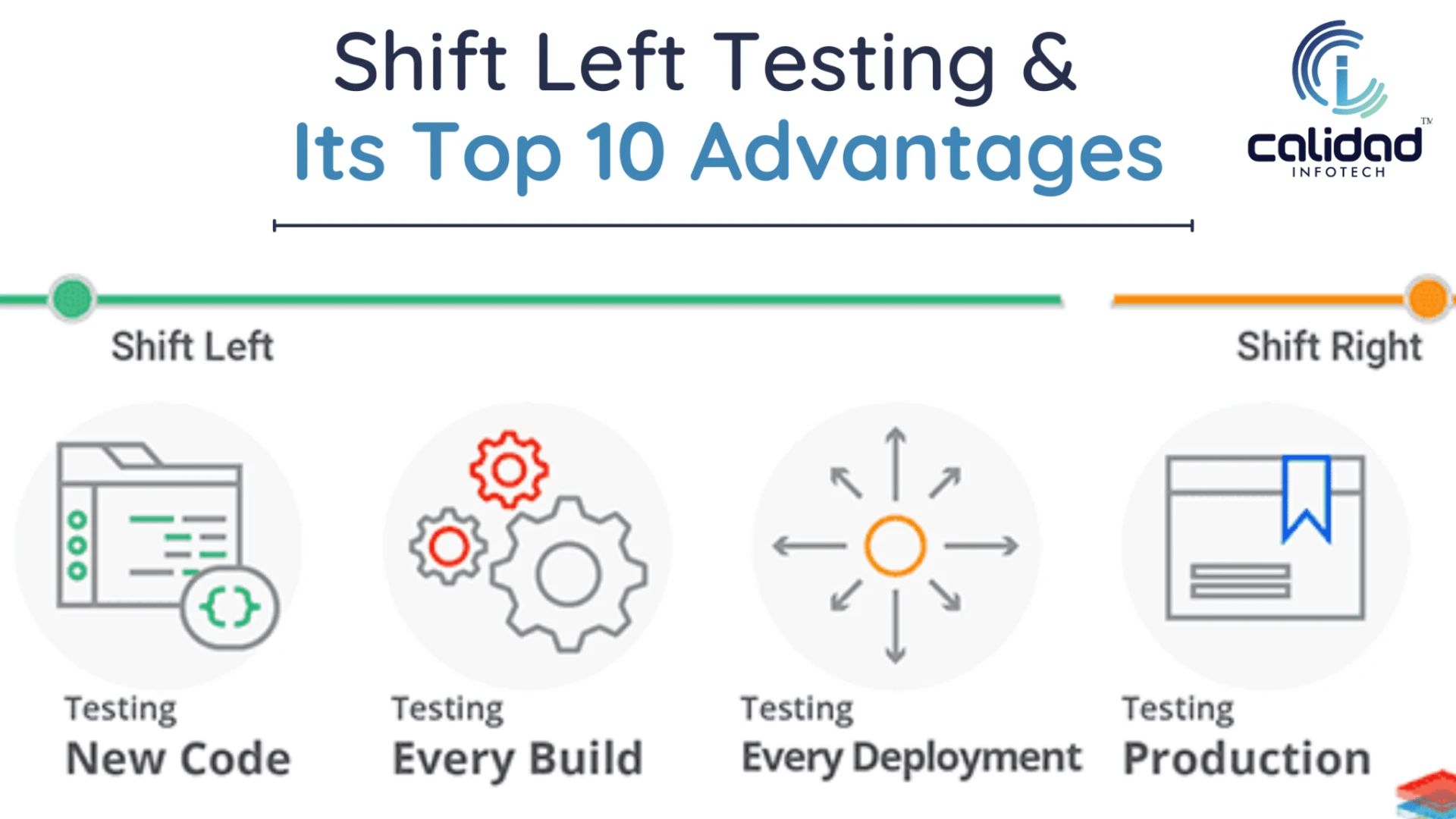
Testing is a critical part of the software development process. It helps ensure that your product meets customer requirements and works as intended. Testing should be carried out throughout the development process and should include both automated and manual testing. Automated testing should be used for running tests quickly and efficiently, while manual testing should be used to check for bugs and other issues that automated testing may miss. When testing, it’s important to focus on all areas of the software, including user interface, data structures, and algorithms.
Testing should also be done with a variety of user scenarios in mind. Additionally, make sure to test the software on different devices and operating systems to make sure that it works as expected in all scenarios. Finally, it’s important to document all of the tests that you perform and the results of those tests. Doing this will help you track any changes made to the software and make sure that it remains bug-free. With thorough testing, you can ensure that your software is high quality and ready for launch.
Launch!
Once you’ve tested your software, it’s finally time to launch it! This is where all of your hard work and planning come to fruition. Here are some tips to help ensure your launch is a success:
-Choose the right platform. Where will you be launching the software? Consider the platforms that will best fit your target audience.
-Plan ahead. Have a timeline set up so that you can manage expectations and ensure your team is prepared for the launch date.
-Secure the necessary approvals. Depending on the type of software you’re launching, you may need to obtain approvals from local or government agencies. Ensure that all of your paperwork is in order before launching.
-Create a buzz. Promote your launch in advance to build anticipation and generate interest. Use social media, press releases, and other channels to spread the word.
-Get feedback. Once you’ve launched the software, ask users for their feedback. Use this feedback to continuously improve the software and make it even better.
Launching software can be an exciting and rewarding experience. With the right preparation and execution, you can launch a successful software product. Good luck!








Sign in to leave a comment.