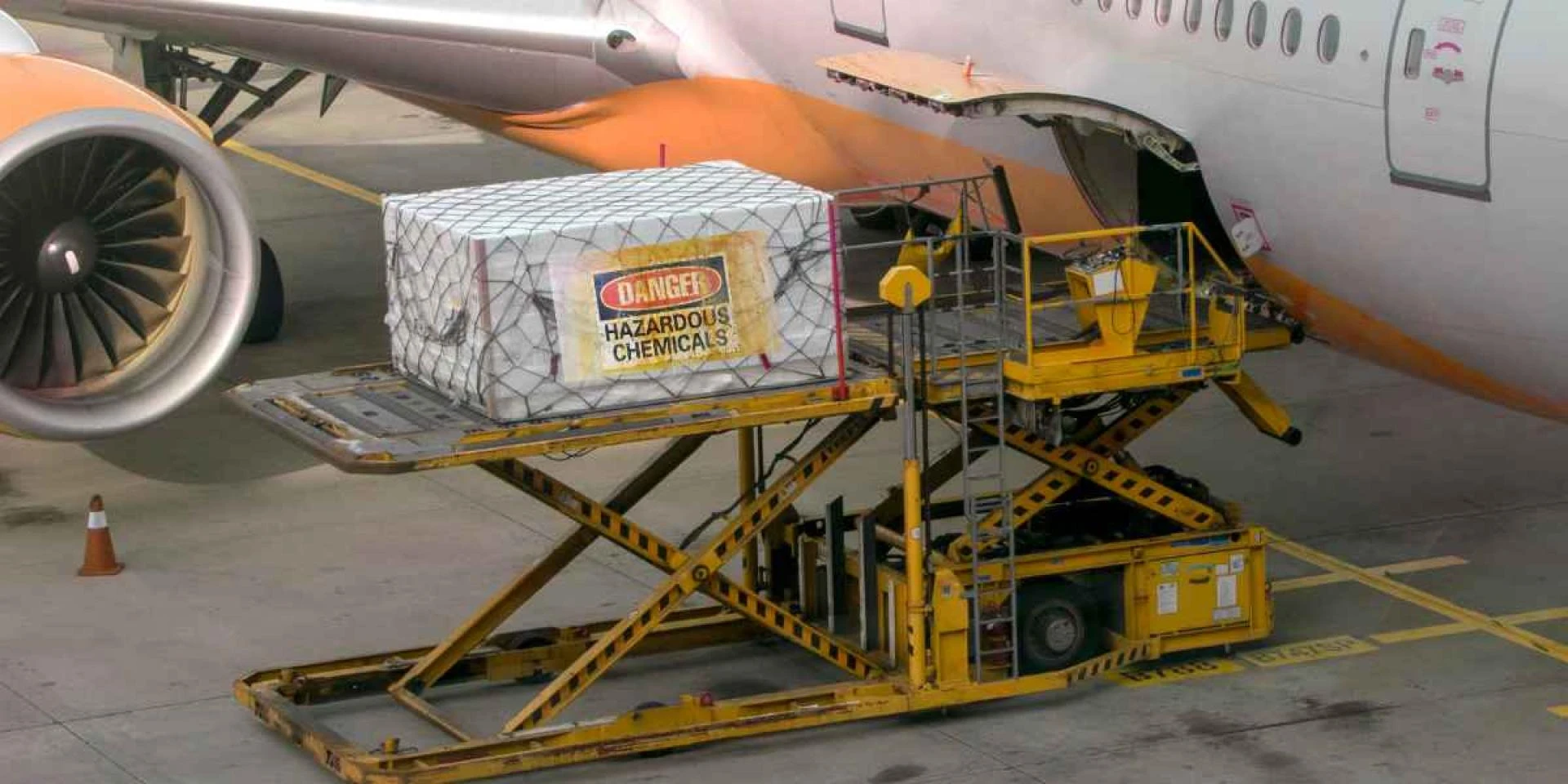

Transporting hazardous chemicals is a critical operation that requires meticulous planning, strict adherence to safety regulations, and a deep knowledge of the risks involved. Whether you're a chemical manufacturer, distributor, or part of the logistics industry, ensuring the safe transportation of hazardous chemicals is paramount to protecting people, the environment, and property.
Let's delve into transporting hazardous chemicals, covering everything from proper packaging and labeling to choosing the right transportation mode. We'll also discuss the importance of compliance with international and local regulations, emergency response plans, and the role of expert courier services like Overseas Air Freight in ensuring safe chemical transportation.
Understanding the Basics of Hazardous Chemicals Transportation:
Before we dive into the specifics of transporting hazardous chemicals, it's essential to grasp the fundamental concepts that govern this critical process.
Definition of Hazardous Chemicals: Hazardous chemicals are substances that, due to their chemical properties, have the potential to cause harm to humans, the environment, and property. These substances, such as solids, liquids, or gases, can be in various forms.
Classifying Hazardous Chemicals: To streamline safety procedures, hazardous chemicals are classified into various categories based on their properties and potential hazards. The classification helps in determining the appropriate safety measures for transportation.
International Regulations: The transportation of hazardous chemicals is governed by international agreements and regulations. The United Nations has established the Globally Harmonized Classification and Labelling of Chemicals (GHS) to standardize chemical hazard classification and communication worldwide.
Packaging and Labeling: The First Line of Defense
Proper packaging and labeling are the first and most crucial steps in ensuring the safe transportation of hazardous chemicals. Here are some key considerations:
Container Selection: The choice of containers depends on the type of chemical being transported. Containers should be made of materials compatible with the chemical's properties. Common container materials include stainless steel, plastic, and glass.
Labeling Requirements: All containers must be labeled with information about the chemical's identity, hazards, and handling instructions. This information should comply with GHS standards for consistency.
Secure Sealing: Containers must be securely sealed to prevent leaks or spills during transportation. Sealing methods should be chosen based on the compatibility with the chemical.
Choosing the Right Transportation Mode:
Selecting the appropriate transportation mode for hazardous chemicals is a critical decision. The choice depends on several factors, including the type of chemical, distance, regulations, and cost. Here are some common transportation modes for hazardous chemicals:
Road Transport: This is one of the most common short- to medium-distance transportation modes. Specialized vehicles equipped with safety features are used to transport hazardous chemicals on roadways.
Rail Transport: Trains are preferred for transporting large quantities of hazardous chemicals over long distances. Railcars designed for chemical transport offer stability and safety.
Maritime Transport: Maritime transport is often chosen for international shipments. Tankers and cargo ships equipped with safety measures are used to transport hazardous chemicals across oceans.
Air Transport: Airfreight is the fastest mode but is typically reserved for urgent shipments due to the higher cost. Specialized cargo planes and stringent safety protocols are in place for chemical transport by air.
Pipeline Transport: Pipelines continuously transport chemicals over long distances. They are ideal for transporting large volumes of hazardous liquids or gases.
Compliance with Regulations:
Adherence to regulations is non-negotiable when transporting hazardous chemicals. Each country has its set of rules governing the transportation of dangerous materials. Compliance involves:
Proper Documentation: Ensure all required permits, licenses, and shipping documents are in order.
Training and Certification: Personnel involved in the transportation process must receive appropriate training and certification in handling hazardous materials.
Emergency Response Plans: Develop and implement emergency response plans to address potential accidents or spills during transportation.
Security Measures: Implement security measures to safeguard against theft or unauthorized access to hazardous chemicals.
The Role of Expert Courier Services:
Expert courier services like Overseas Air Freight are crucial in ensuring the safe transportation of hazardous chemicals. These services offer specialized expertise in handling hazardous materials, including proper packaging, labeling, documentation, and compliance with regulations.
In addition to their expertise, courier services have access to a vast network of transportation options, including airfreight and maritime transport, allowing them to choose the safest and most efficient mode for your specific needs.
Conclusion:
Transporting hazardous chemicals demands the highest responsibility, care, and expertise. It involves a complex interplay of regulations, safety measures, and logistics. By understanding the basics of hazardous chemicals transportation, adhering to rules, and partnering with expert courier services like Overseas Air Freight, you can ensure that these chemicals reach their destination safely, protecting both people and the environment.










Sign in to leave a comment.