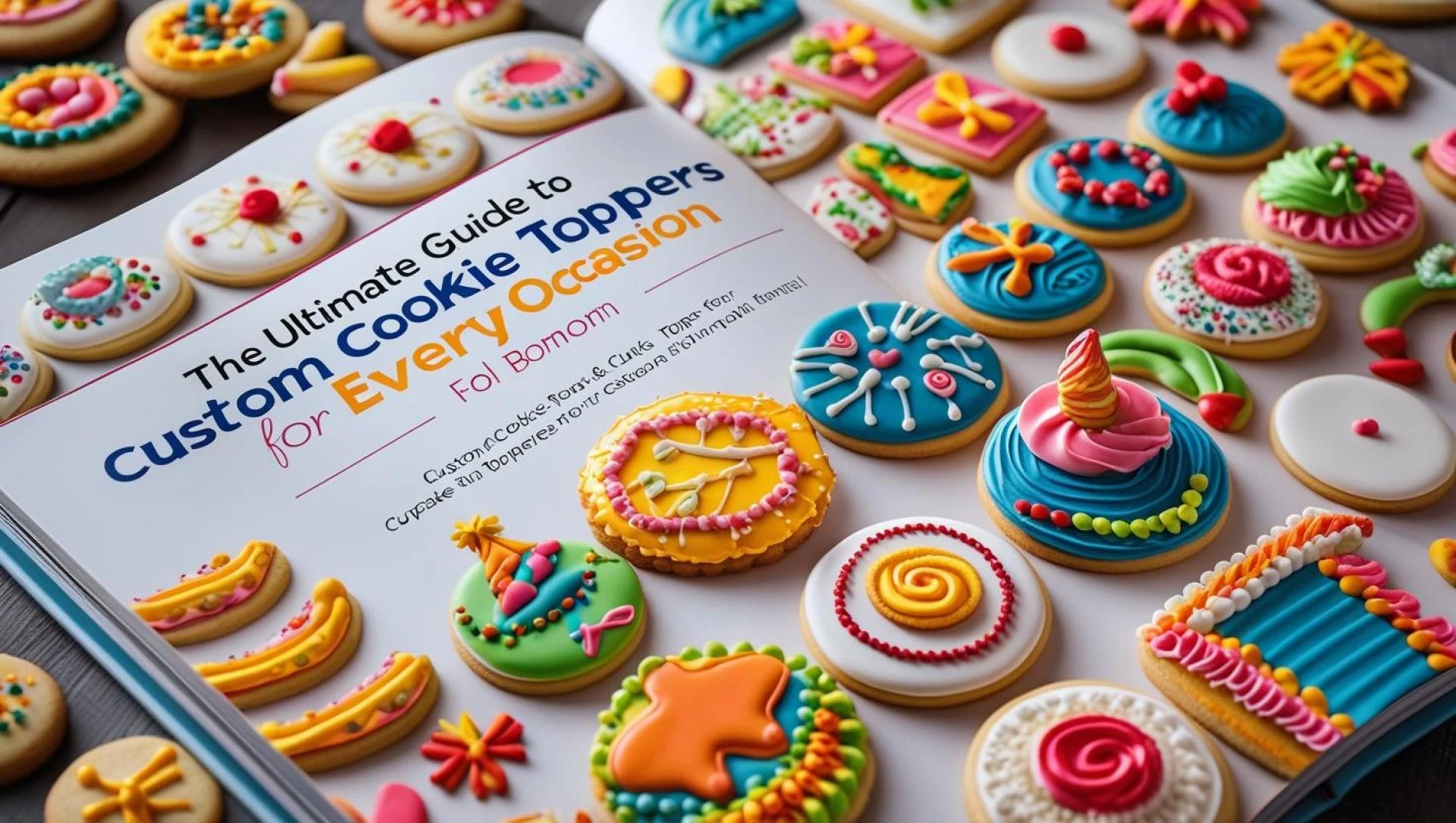

Printing has changed the way people write, work, and even bake. Yes, you read it right. Printing is the latest and most reliable baking tool. Cakes, cupcakes, and cookies are often decorated with printed materials. It will be better to say that edible pictures have replaced frosting tools. Printing a topping is much easier and fancier than frosting with your hands.
The Science Behind Printed Toppings
Printed toppings are essentially toppers printed on food-safe sheets. The printing material – sheets and inks – is safe for human consumption. A specific printing machine is employed to print toppings. The rest of the process is similar to the traditional printing method. The printed toppings are safely applied to the baked products. However, they work well on smooth, slightly moist surfaces.
Key components for printing toppers
Edible Image Printer: A printing machine modified to print food-safe sheets with food-safe inks. It works similarly to regular printers.
Edible Paper: Made of a thin layer of starch or sugar, it accepts colors and designs. It is often called a frosting sheet, wafer paper, or icing sheet.
Edible Ink: It is a special type of food coloring formulated into ink cartridges for printing.
Types of Edible Printers
1. Inkjet-Based Printers
These are the most common types of printers, utilizing regular inkjet technology. They employ food-safe inks and printing sheets. The rest of the printing process is similar to that of regular inkjet printers.
2. Compact Printers
Designed for hobby bakers, DIY persons, and home-based businesses, these printers consume little space and energy. However, they can give amazing results when clubbed with quality printing materials.
3. Professional-Grade Printer
As evident from the name, these printers are specially designed for handling bulk jobs. They are better suited to work under a high pressure commercial environment.
Types of Edible Paper
1. Frosting Sheets: Thin edible layer of flavored sugar pressed onto a plastic backing. The plastic is peeled away when the topping is applied.
2. Wafer Paper: It is a thin layer of transparent sheet usually made from potato starch and water.
3. Chocolate Transfer Sheets: These sheets serve as a medium for transferring designs onto chocolate surfaces.
Types of Edible Inks
1. Standard Edible Ink Cartridges: Formulated for inkjet printers, they work well on most types of food-grade sheets and give excellent results.
2. Edible Gel Ink: It has a thicker formulation that makes it more suitable for bold graphics, logos, and texts. It produces more intense and richer colors.
3. Chocolate Edible Ink: Its special cocoa butter-based formulation allows it to stick well to chocolate surfaces. It is widely used for decorative designs.
Printing Tips for Beginners
Use only a quality printer, like INKEDIBLES IE-076 Bundled WIDE FORMAT Printing System, food-grade inks, like Inkedibles CakePro-Uno and CakePro-Quatro Edible Ink Cartridge (Black).
Select the correct edible sheet, like Inkedibles Premium PLUS Frosting Sheets, to get excellent results.
Set the printer to high resolution (300 dpi or higher) to get sharp prints.
Let the print dry properly at room temperature and apply it on smooth and moist surfaces.
Store unused sheets in a cool place to keep them safe from moisture, heat, and sunlight.
Follow these tips to create high-quality edible pictures for your cakes, cookies, and cupcakes. You can even start a small home-based bakery business and delight your customers.



























Sign in to leave a comment.